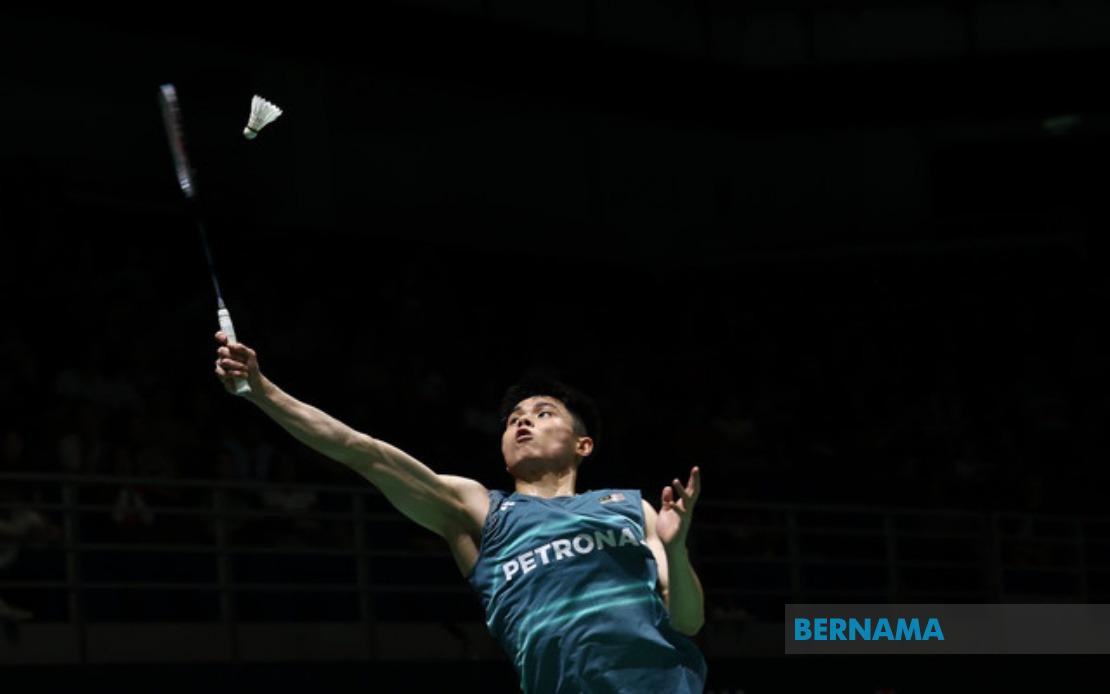
Justin Hoh is steeling himself for the unique challenges that await when he makes his maiden appearance at badminton's grandest stage. The 22-year-old Malaysian men's singles player will compete at the 2026 BWF World Championships in New Delhi from August 17 to 23, an occasion he views with measured optimism and pragmatic preparation rather than anxiety about the unfamiliar environment.
The Kuala Lumpur-born shuttler's approach reflects a maturity beyond his years. Rather than fixating on logistical concerns or venue infrastructure, he has chosen to concentrate his energy on the controllable aspects of his preparation. Speaking after a training session at the Academy Badminton Malaysia in the capital, Hoh emphasised that uncertainty surrounding match conditions at the stadium was simply part of competing at the international level and something every athlete must navigate.
Hoh's outlook has been shaped significantly by his previous exposure to Indian competition venues. The subcontinent presents a distinctive set of demands that differ markedly from tournaments held in Malaysia, Europe, or other badminton strongholds. Players competing there must account for climatic variables, logistical realities, and environmental factors that can affect performance in ways unfamiliar to those accustomed to Southeast Asian or developed-nation facilities. Hoh has drawn lessons from these encounters, recognising that thorough contingency planning extends beyond court strategy to encompass basic necessities.
One practical measure that Hoh and his support team are implementing is bringing their own food supplies to New Delhi. This precaution stems not from pessimism but from hard-earned experience. Players and officials have previously encountered complications with meal provision and food safety at Indian venues, complications that can undermine an athlete's conditioning and mental state during crucial competitions. By securing their own nutrition, Hoh and his team aim to eliminate one potential variable that could compromise his performance during his World Championships debut.
The decision to undertake such self-sufficiency measures reflects broader concerns about standards at some Indian sporting venues. Earlier this year, the India Open badminton tournament faced significant reputational damage when the Indira Gandhi Sports Complex became the subject of widespread criticism regarding sanitation conditions. Reports documented bird droppings on practice courts and monkeys roaming freely throughout the facility, circumstances that provoked understandable dismay among international competitors and observers. These incidents highlighted the gap between the prestige of hosting world-class sporting events and the infrastructure reality on the ground.
Yet Hoh remains hopeful that the World Championships organisers will have implemented meaningful improvements before his tournament begins in August. This optimism is neither naive nor blind to past shortcomings; rather, it reflects confidence that an event of the World Championships' magnitude carries sufficient importance and scrutiny to motivate venue operators toward substantive remediation. The reputational stakes for India's badminton administration are correspondingly high, providing incentive for enhanced standards.
Approaching his debut at this elite level, Hoh has adopted a perspective that balances ambition with realism. He has deliberately avoided placing excessive pressure on himself by setting medal-winning targets, though he acknowledges that success remains a possibility worth pursuing. Instead, he frames his New Delhi appearance primarily as an educational opportunity, a chance to gain invaluable experience competing against the world's best male shuttlers on badminton's most prestigious stage. This psychological framing allows him to compete with confidence while remaining insulated against the demoralising consequences of falling short of unrealistic expectations.
The potential for facing a higher-ranked opponent in the opening round does not unsettle Hoh. While draw luck can significantly influence tournament trajectory, he has opted not to dwell on such contingencies, instead focusing on executing his preparation and tactical game plan regardless of opponent ranking. This demonstrates a maturity in competitive thinking that suggests he possesses the mental resilience necessary for success at this level.
Hoh's path reflects broader dynamics within Malaysian badminton, particularly concerning pressure on the men's singles contingent. National male shuttlers operate under constant public and media scrutiny, facing commentary both constructive and critical regarding their performances and potential. Hoh views this environment not as an impediment but as motivation, channelling the attention and expectations into drive to demonstrate his capabilities. Such resilience under pressure distinguishes athletes who ultimately flourish at international level from those who wilt beneath the weight of expectation.
For Malaysian badminton stakeholders, Hoh's emergence represents a promising development in men's singles competition. The category has historically been challenging for Malaysian players to dominate relative to the nation's strength in doubles disciplines. A successful World Championships debut—whether measured by medal achievement or competitive performance against elite opposition—could herald a resurgence in the men's singles sphere and provide momentum for the sport within Malaysia's sporting hierarchy.

