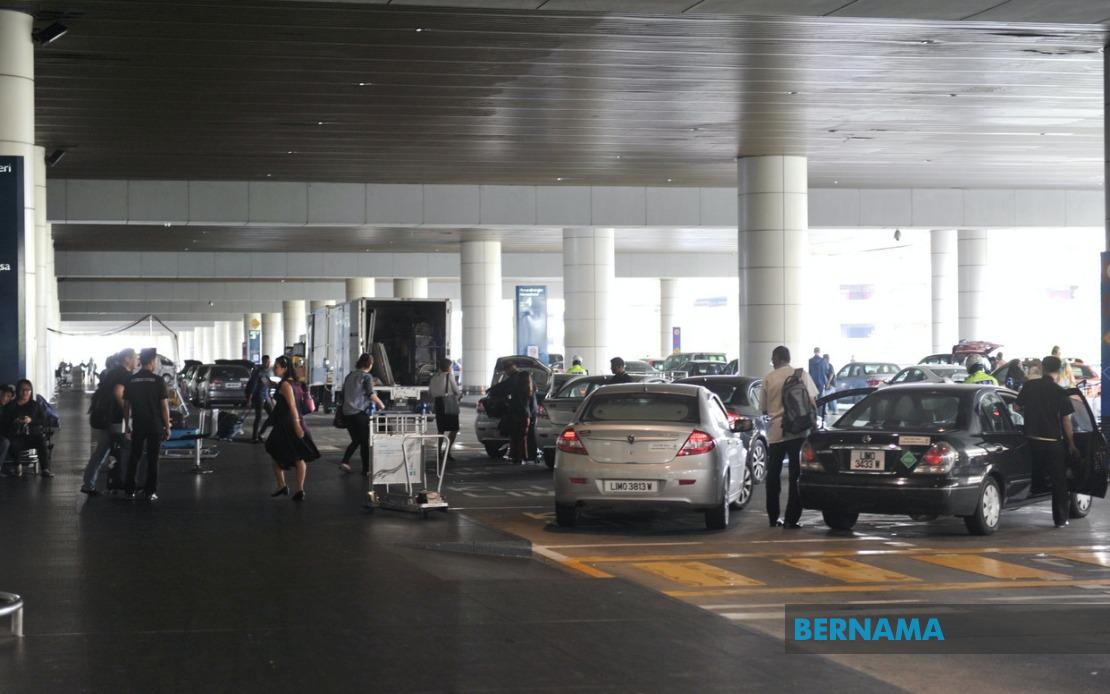
The Road Transport Department (JPJ) is preparing to significantly expand its enforcement presence at Kuala Lumpur International Airport, moving beyond its current limited coverage to establish comprehensive 24-hour surveillance across both terminals. This escalation marks a decisive response to persistent complaints about illegal taxi touts, locally known as 'ulat', who continue to solicit passengers at the airport's arrival halls despite previous crackdowns. Datuk Aedy Fadly Ramli, the JPJ director-general, announced the initiative following direct guidance from the Ministry of Transport, signalling that tackling this problem has become a priority for the department.
The existing arrangement at KLIA reveals significant gaps in coverage that illegal operators have exploited for years. Currently, only 17 JPJ officers are deployed at Terminal 1, working fixed shifts from 7 am to midnight, leaving a critical window when the airport operates with minimal oversight. Terminal 2, which handles a substantial portion of the airport's passenger traffic, has no dedicated JPJ presence whatsoever. This absence of round-the-clock monitoring has allowed the 'ulat' problem to flourish, particularly during early morning hours when international flights begin arriving and arriving passengers are most vulnerable to approaches from unofficial transport providers.
The restructured enforcement model will introduce a three-shift rotation system ensuring permanent JPJ representation throughout all 24 hours. Beginning the following week, selected duty officers will be permanently stationed at both terminals with explicit instructions to conduct continuous patrols and maintain visible enforcement presence. This represents a substantial increase in resource allocation, with officers of higher grades specifically assigned to lead enforcement operations at each terminal. The elevation of supervisory personnel reflects recognition that previous efforts, conducted at lower operational levels, lacked the authority and strategic direction necessary to deter persistent offenders effectively.
The 'ulat' phenomenon represents more than a simple traffic management issue for Malaysia. These unlicensed operators operate outside regulated frameworks, offering no passenger protections, insurance coverage, or recourse for travellers who encounter problems during their journeys. International visitors, many arriving in Malaysia for the first time, face confusion distinguishing legitimate licensed taxis from illegal alternatives, making them particularly susceptible to overcharging and unsafe practices. The presence of aggressive touts at the airport entrance creates negative impressions that undermine Malaysia's positioning as a hospitable destination, with word-of-mouth complaints from dissatisfied tourists amplified through social media and travel forums globally.
Coordination with Malaysia Airports Holdings Bhd (MAHB) extends the enforcement strategy beyond JPJ's traditional scope. The collaboration involves enhanced passenger communication through terminal displays and announcements, educating travellers about legitimate transportation options before they encounter illegal solicitors. This preventive approach complements enforcement by reducing demand for illegal services through informed consumer choice. When passengers understand that official taxis and ride-sharing services are available and safe, they become less likely to negotiate with questionable operators, thereby reducing the economic incentive that sustains the 'ulat' business model.
For Malaysian business interests and airport stakeholders, the crackdown addresses legitimate concerns about reputation and orderly operations. Licensed taxi operators, ride-sharing platforms, and hotel shuttle services all experience direct competition from unregulated alternatives that undercut their pricing without corresponding safety and quality standards. Business travellers and corporate clients expect professional ground transportation as part of premium airport experiences, and the proliferation of illegal touts undermines confidence in Malaysia's infrastructure standards. The JPJ initiative thus serves commercial interests alongside passenger protection objectives.
The enforcement strategy's success will depend on operational consistency and coordination across multiple government agencies. JPJ's commitment extends beyond physical presence to aggressive prosecution of offenders, with assurances that no flexibility will be granted to parties engaged in illegal transport provision. This hardline stance signals that tolerance has ended, though implementation will require sustained pressure and resources. Historical patterns suggest that periodic crackdowns followed by reduced attention create cycles that allow the problem to resurface, making long-term commitment essential.
For Southeast Asia's broader airport ecosystem, Malaysia's approach offers instructive lessons. Illegal taxi touts operate extensively at major airports throughout the region, creating competitive disadvantage for licensed operators and damaging destination perceptions. Thailand, Indonesia, and the Philippines have grappled with similar challenges, sometimes with limited success when enforcement remains intermittent or lacking sufficient personnel depth. Malaysia's investment in expanded capacity and supervisory oversight may establish a model that neighbouring countries could adapt.
The timing of this initiative reflects broader Malaysian government focus on institutional competence and service quality. By addressing a visible pain point affecting both residents and international visitors, the transport sector demonstrates responsiveness to public concerns. The initiative also reflects recognition that reputational damage compounds economic consequences, making the investment in enforcement personnel justifiable as a strategic marketing expenditure protecting Malaysia's tourism and business sectors.
For travellers using KLIA, the enforcement expansion should yield tangible improvements within weeks of implementation. Reduced aggressive solicitation, clearer guidance toward legitimate services, and visible authority presence should streamline airport ground transportation processes. However, passengers should remain alert to approaches from unofficial operators and prioritize designated taxi ranks and official ride-sharing pickup zones. The JPJ's commitment to intensive enforcement signals that Malaysia takes the issue seriously, though individual traveller vigilance remains prudent until the 'ulat' problem is substantially eliminated.

