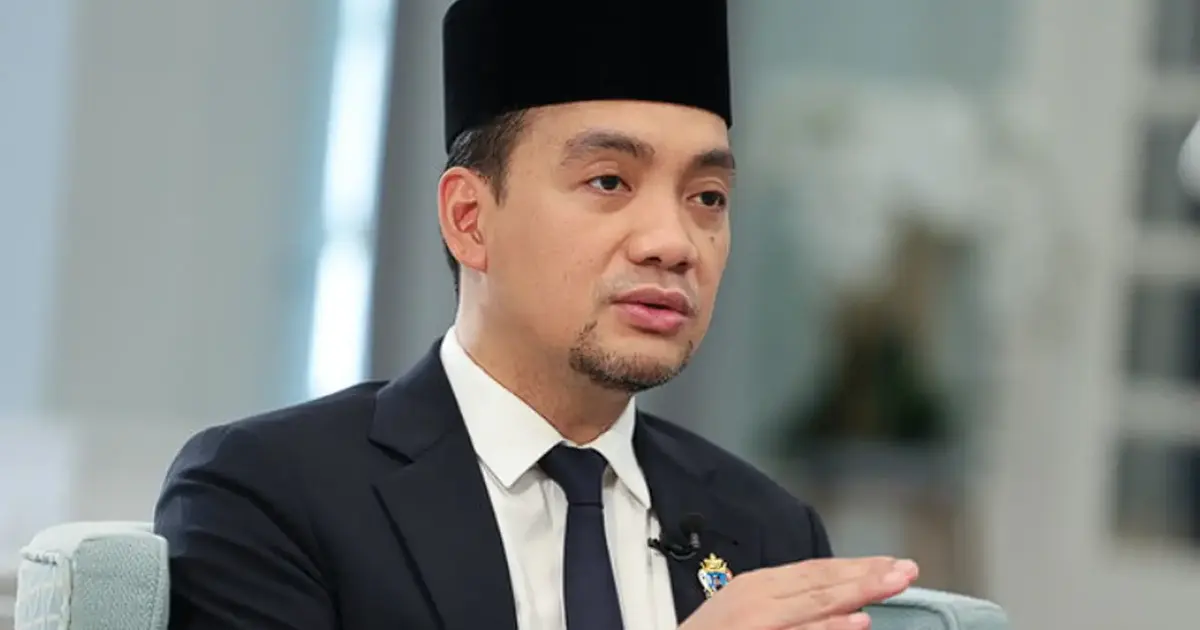
Onn Hafiz, serving as caretaker menteri besar of Johor, has moved to dispel concerns that the palace's approval for the state assembly's dissolution represents political interference, characterising the process instead as a routine constitutional obligation. The clarification comes amid broader discussions about the parameters of royal involvement in state governance and the distinction between ceremonial approval and substantive political decision-making.
In Malaysian constitutional practice, the sovereign's assent is a formal prerequisite for major state actions, including the dissolution of legislative bodies. The requirement reflects the ceremonial role of the monarchy within Malaysia's constitutional framework, where the Yang di-Pertuan Agong and state rulers serve as constitutional heads while executive power vests primarily with elected officials and appointed ministers. Onn Hafiz's emphasis on this distinction addresses what appears to be public confusion or media commentary suggesting that royal involvement in the dissolution process indicates the palace was exercising political influence over the decision.
The timing of these remarks underscores the sensitivity surrounding palace-government relations in Malaysia. Historical instances where sultans have withheld consent or exercised discretionary powers have occasionally sparked constitutional debate, making it important for political leaders to publicly affirm the proper separation between formal constitutional procedures and substantive political authority. By framing royal assent as procedural rather than discretionary in this context, Onn Hafiz seeks to reinforce confidence that decisions affecting state governance remain within the elected leadership's prerogative.
For Malaysian readers familiar with the country's constitutional monarchy, the distinction carries practical weight. The assent process ensures that major constitutional changes occur within a framework of institutional checks, even if those checks are largely formal. The palace's role functions as a symbolic guardian of constitutional propriety rather than as an active participant in political calculations. However, the need for such clarification suggests that public understanding of these constitutional niceties remains uneven, particularly during politically charged periods when state assemblies face dissolution.
Johor's current political context lends additional importance to Onn Hafiz's statement. As caretaker menteri besar, his position is inherently transitional, and the dissolution of the state assembly represents a significant constitutional moment. The explicit acknowledgement that this process involves royal formality rather than palace agency helps establish clear expectations about how state transitions should unfold. This is especially relevant for Southeast Asia's other constitutional monarchies, where similar questions about the proper role of ceremonial heads occasionally surface.
The broader implications extend to governance norms across Malaysia's federal and state levels. If confusion persists about whether royal assent represents active political choice or procedural necessity, it could undermine confidence in the system's transparency. Onn Hafiz's intervention appears designed to strengthen public understanding that elected and appointed officials bear responsibility for governance decisions, while institutional protocols remain in place to ensure constitutional regularity. The menteri besar's willingness to articulate this distinction publicly reflects an understanding that clarity about institutional roles serves democratic legitimacy.
Constitutional scholars in Malaysia have long emphasised that the monarchy's formal powers operate within a framework where actual political discretion is limited by convention and practice. The sovereign grants assent to measures that fall within their formal authority, but contemporary democratic practice expects such assent to follow rather than precede substantive policy decisions made by elected bodies. Onn Hafiz's framing aligns with this contemporary understanding, positioning the assembly's dissolution as an executive action that requires constitutional formalisation through the Sultan's assent.
For observers tracking Johor's political trajectory, distinguishing between royal procedure and political agency matters considerably. It clarifies that the assembly's dissolution resulted from decisions made within the state's elected and appointed structures, rather than at the palace's direction. This distinction preserves the principle that electoral cycles and legislative dynamics remain within the domain of democratic competition and political leadership, even as constitutional forms acknowledge the sovereign's ceremonial position.
The clarification also responds implicitly to any suggestion that the palace might have interests separate from or opposed to the caretaker government's direction. By insisting that assent is procedural, Onn Hafiz reassures stakeholders that the palace functions as a guardian of constitutional form rather than as a political actor with independent strategic objectives. This framing becomes increasingly important as Johor prepares for elections and new state leadership takes office, requiring public confidence that transitions follow established constitutional pathways.
Ultimately, Onn Hafiz's remarks reflect a broader effort to reinforce institutional clarity during a politically sensitive period. As Southeast Asian democracies continue to navigate questions about the appropriate bounds of ceremonial and executive power, Malaysia's experience demonstrates the value of explicit public articulation of these distinctions. By characterising royal assent as constitutional necessity rather than political choice, the caretaker menteri besar contributes to a normative understanding that protects both democratic governance and the monarchy's constitutional position.

