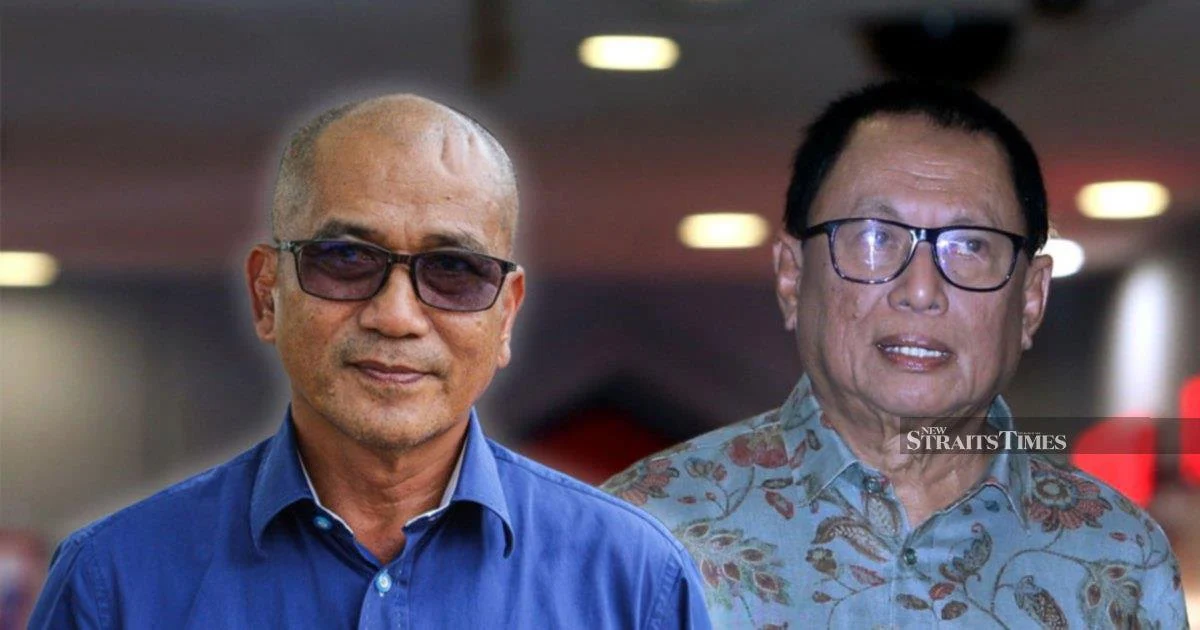
The leadership of Umno in Johor has mounted a forceful response to contentious allegations raised by Datuk Dr Mohd Puad Zarkashi, the former speaker of the state legislative assembly, concerning the circumstances surrounding the dissolution of the chamber on June 1. Party officials have categorically dismissed the claims as unfounded and have escalated their rhetoric by characterising the accusations as grave slander, signalling deepening tensions within the party's state apparatus and the broader political establishment.
The dissolution of the Johor state assembly represents a critical moment in the state's recent political trajectory, setting the stage for fresh elections and reshaping the competitive landscape among rival coalitions. When such constitutional actions occur, they frequently trigger disputes over the motivations and procedures involved, particularly when senior figures with institutional knowledge like Puad Zarkashi choose to break ranks and voice public criticism. His decision to air grievances through public channels rather than resolving matters internally suggests significant fractious divisions within the state party machinery.
Puad Zarkashi's position as former speaker gave him intimate familiarity with the assembly's operations and the political manoeuvres occurring behind closed doors. Speakers occupy a constitutionally important role that requires them to maintain impartiality while overseeing parliamentary proceedings, placing them in a unique vantage point to observe political developments. The fact that someone with this institutional authority has levelled serious criticism indicates that the controversy extends beyond routine partisan squabbling and touches upon procedural or governance concerns that warrant attention.
The Umno leadership's swift and emphatic rebuttal reflects concern about the political ramifications of allowing such allegations to circulate without vigorous pushback. In contemporary Malaysian politics, where media coverage and public perception substantially influence electoral outcomes, permitting unfavourable narratives to take root unchallenged can undermine party cohesion and voter confidence. By categorising the statements as slander, party officials have attempted to delegitimise the claims preemptively and position themselves as victims of malicious attacks rather than subjects of legitimate criticism.
For Malaysian readers and observers of Johor politics, this conflict illustrates the complex internal dynamics within Umno, the dominant Malay-Muslim political party that has shaped governance in the state for decades. Even within dominant parties possessing strong institutional advantages, dissent occasionally surfaces among senior figures, revealing fissures that electoral pressures and factional interests can exacerbate. The public nature of this dispute suggests that informal mechanisms for managing intra-party disagreements have failed, necessitating more confrontational approaches.
The timing of the dissolution itself warrants consideration within the broader context of Johor's political evolution. Assembly dissolutions typically occur when governing coalitions calculate that electoral conditions favour their interests or when political circumstances necessitate resetting the legislature to clarify majority support. The decision to dissolve on June 1 presumably reflected strategic considerations by whoever initiated the process, though the precise reasoning remains contested. Puad Zarkashi's allegations presumably challenge the stated justifications or highlight procedural irregularities in how the dissolution transpired.
Within Southeast Asian democracies, disputes over legislative dissolutions carry constitutional significance and can set precedents for future political practice. Malaysia's constitutional framework grants executives considerable discretion in advising dissolution, but such power remains subject to principles of good governance and public accountability. When respected institutional figures question the propriety of such decisions, they invite scrutiny of whether established norms were observed and whether the public interest was genuinely served.
The response from Johor Umno leadership also reflects contemporary polarisation in Malaysian politics, where parties increasingly resort to confrontational language when addressing internal critics or external opponents. The invocation of slander suggests legal dimensions may develop, potentially escalating the conflict beyond political discourse into judicial proceedings. Such escalation could amplify public attention while simultaneously limiting productive dialogue between the contending parties.
For Johor's political future, this clash between Puad Zarkashi and the state Umno leadership creates uncertainty about underlying governance issues that the public has not yet fully grasped. The substance of his allegations remains poorly detailed in public accounts, leaving voters and observers to assess credibility based largely on the severity of language employed by various actors rather than concrete evidence or documented facts. This information deficit hampers informed public deliberation about whether procedural standards were maintained.
The broader implications for Malaysian politics extend beyond Johor's boundaries. If senior figures within major parties feel compelled to voice criticism publicly rather than through internal channels, it reflects erosion of institutional mechanisms for managing dissent. Additionally, the intensity of Umno's response may indicate particular sensitivity about the June 1 dissolution, suggesting the underlying issues carry genuine consequence rather than representing mere political theatre.
Moving forward, resolution of this dispute will likely require either substantive engagement with Puad Zarkashi's specific claims or continued escalation through legal or political channels. The current trajectory of mutual accusation and categorical denial leaves little space for clarification or reconciliation. For interested Malaysians and regional observers monitoring developments in one of the country's most politically significant states, this controversy underscores ongoing tensions within institutional frameworks and party structures that continue shaping national governance.

