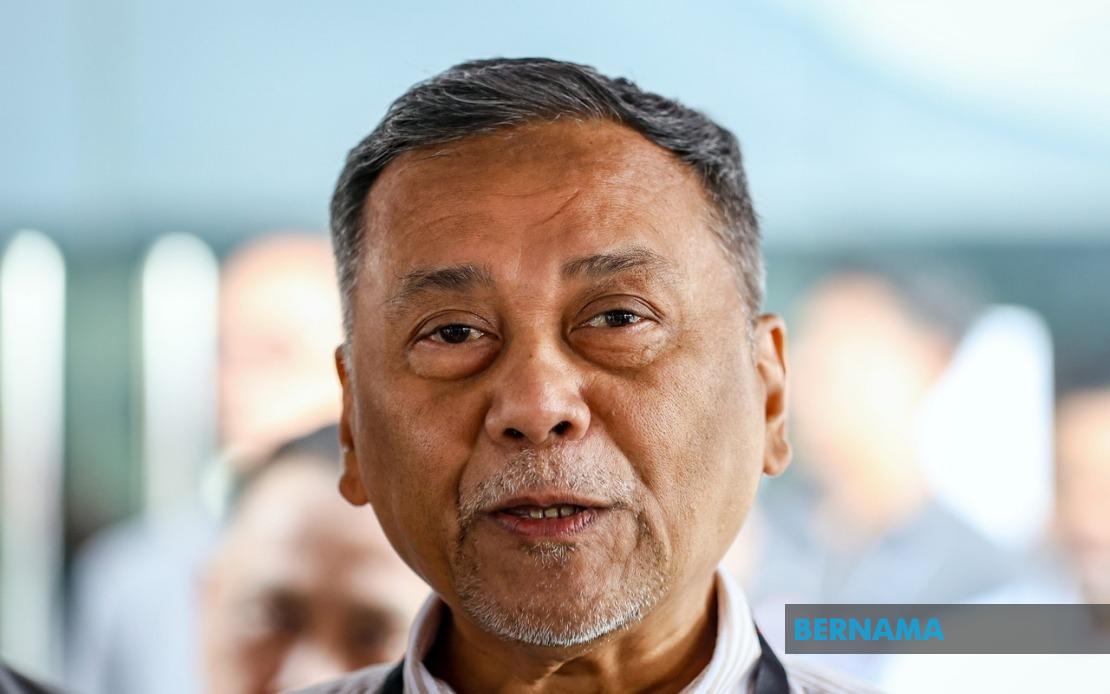
With polling day imminent, the Election Commission is bracing for a robust turnout in the Johor state election, projecting that around 70 per cent of registered voters will cast their ballots. EC chairman Datuk Seri Ramlan Harun attributed this optimistic forecast to observable momentum during the campaign period, signalling that Johoreans are primed to exercise their democratic franchise actively. The projection reflects not merely logistical readiness but genuine public appetite to participate in shaping the state's political direction.
The anticipated participation rate, should it materialise, would represent significant engagement from the electorate. Across the 2.7 million registered voters eligible to participate, this would translate to roughly 1.89 million ballot papers cast. Such figures matter not only for legitimacy but for understanding how consolidated or fragmented political support has become in Johor, traditionally a significant barometer for national political trends given its size and diverse demographic composition.
Ramlan characterised the campaign environment as vibrant, indicating that candidates and political parties have energetically competed for voter attention. This dynamism contrasts sharply with apathy that sometimes characterises certain electoral contests and suggests competing visions for Johor's future have resonated across constituencies. The public's demonstrated willingness to engage reflects broader appetite for electoral participation that has ebbed and flowed across Malaysian history, occasionally spiking during periods of heightened political contestation.
Beyond campaign visibility, the EC chief emphasised that public awareness of the electoral process's importance has been instrumental in driving expected turnout figures. This awareness dimension carries particular significance in contemporary Malaysian politics, where voter education and understanding of electoral mechanics directly influence participation rates. The EC's observation suggests that messaging about voting rights and civic responsibility has penetrated the electorate effectively, at least in Johor's context.
The operational architecture supporting tomorrow's poll reflects meticulous planning across multiple dimensions. Voting commences at 8 am, but polling centres operate on staggered closing schedules tailored to geographical realities. Island constituencies present particular logistical challenges—Pulau Besar closes earliest at 11 am, roughly thirty minutes' travel from Mersing, while Pulau Aur and Pulau Pemanggil centres close at noon. The majority of urban and accessible centres operate until 6 pm, accommodating typical working patterns across the state.
This differentiated scheduling reflects sophisticated understanding of transportation constraints and voter accessibility patterns across Johor's diverse terrain. In peninsular Malaysia, such calibration has become standard practice, yet it underscores how electoral logistics intertwine with geography and population distribution. The EC's granular approach—with 1,114 centres closing at 6 pm, 42 at 4 pm, and 17 at 2 pm—demonstrates recognition that one-size-fits-all voting hours inadequately serve dispersed or island communities.
Mobilising the election apparatus has demanded substantial human resources. The EC has deployed approximately 43,036 election workers across Johor to administer voting procedures, verify voter credentials, manage ballot distribution, and maintain order at polling centres. This workforce, assembled from government agencies and trained specifically for electoral duties, represents the institutional backbone enabling 2.7 million voters to exercise their franchises simultaneously across hundreds of locations without systemic failure.
Postal voting mechanisms have generated over 24,677 ballot papers distributed to eligible voters unable to cast ballots in person. These papers must reach the EC by 6 pm tomorrow, creating a hard deadline that tests the reliability of Malaysia's postal infrastructure and voter responsibility. Postal voting, whilst expanding electoral accessibility, simultaneously introduces procedural complexity requiring voters' punctuality and administrative coordination to prevent disenfranchisement through administrative mishap.
The EC has invested considerable attention in logistical contingency planning, particularly addressing transportation vulnerabilities in island constituencies. Coordinating with the Royal Malaysian Police and Malaysian Armed Forces, the Commission has prepared protocols for ferrying ballot boxes from Pulau Besar, Pulau Aur, and Pulau Pemanggil, ensuring that geographical distance does not undermine vote integrity or result counting. Such interagency collaboration, whilst routine in mature electoral systems, reflects institutional maturation within Malaysia's election administration.
For Malaysian observers, the Johor election carries broader implications beyond state-level governance. Johor's size and demographic diversity make it a significant political laboratory where national trends often crystallise first. Strong turnout could reflect sustained voter interest in electoral processes following recent high-profile campaigns, or conversely signal that particular candidates or parties have mobilised their bases effectively. Either interpretation informs understanding of Malaysian electoral behaviour as the country contemplates future national contests.
The EC's 70 per cent projection, whilst encouraging, remains a forecast rather than certainty. Weather conditions, transportation disruptions, or voter fatigue could modulate actual participation rates downward. Conversely, heightened partisan mobilisation might push figures higher. What remains clear is that institutional preparation appears comprehensive, infrastructure ostensibly adequate, and public appetite for participation appears robust—the essential ingredients for an election that tests both democratic enthusiasm and administrative capacity.

