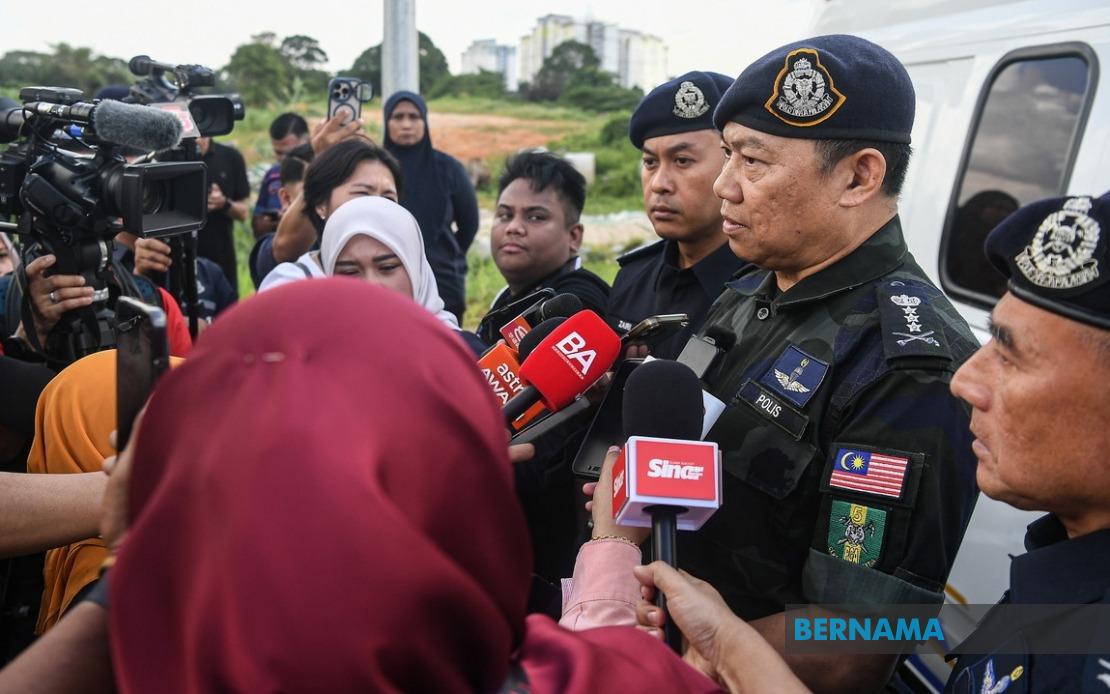
The nomination process for Johor's 16th state election proceeded without a hitch across all 56 nomination centres on Wednesday, marking a significant milestone in what is shaping up to be an orderly and well-managed electoral exercise in the southern state. The day's success reflected extensive coordination between electoral authorities and security forces, with no disruptions reported at any of the venues where candidates officially submitted their nomination papers to contest the upcoming state assembly polls.
Johor's police chief Datuk Ab Rahaman Arsad confirmed that the force had maintained a comprehensive presence throughout the nomination period, with zero incidents requiring intervention. This seamless administration stands in contrast to some previous electoral exercises in Malaysia where nomination days have occasionally been marked by tensions or minor disturbances. The achievement underscores the maturity of Malaysia's electoral processes and the capacity of state-level authorities to manage large-scale administrative events involving multiple political parties and candidates.
The scale of the security operation underscores how seriously the authorities are taking the conduct of this election. A deployment of 4,832 police officers and personnel across the state represented a substantial mobilisation of resources, reflecting both the sensitivity of elections as crucial democratic exercises and the determination to prevent any disruptions that might undermine public confidence in the integrity of the process. This figure is noteworthy for Malaysian readers seeking to understand the logistical demands of managing electoral activities across a geographically dispersed state with a population exceeding 4 million.
Already, the police have processed and approved 26 campaign permits across Johor, with expectations that additional permits will be issued as parties formally enter the campaigning phase. The permit system represents a regulatory framework designed to balance the right to free expression and political participation with the maintenance of public order during the heightened political activity that characterises election seasons. For Malaysian observers, this demonstrates how authorities attempt to ensure that campaign activities remain within boundaries that protect both democratic freedoms and community safety.
Datuk Ab Rahaman used the occasion to remind all political organisations and candidates of their obligation to conduct their campaigns in a manner consistent with Malaysian electoral law and ethical standards. This reminder carries particular weight in multiethnic Malaysia, where elections can occasionally become flashpoints for communal sensitivities if campaigns veer into inflammatory territory. The police chief's emphasis on responsible conduct reflects a broader institutional recognition that the legitimacy of electoral outcomes depends not merely on the mechanics of voting, but on the manner in which the pre-election period unfolds.
The chief also sounded a warning about any activities that might compromise public order during the campaign period, signalling the police's readiness to intervene swiftly should any party or candidate overstep boundaries. This preparedness is important context for understanding Malaysian electoral dynamics, where the line between vigorous campaigning and behaviour that threatens communal harmony can sometimes become blurred, particularly in contests involving coalitions with diverse ethnic and religious representation.
The timeline established by the Election Commission provides voters with a clear schedule for the electoral process. Early voting has been set for July 7, allowing those who cannot vote on polling day to participate in advance, a provision that reflects efforts to enhance electoral accessibility. The main polling day is scheduled for July 11, giving candidates and their teams slightly over two weeks to conduct their campaign activities and reach out to approximately 2.4 million registered voters across the state.
Johor's election carries significance beyond the state itself, as it represents one of the more substantial electoral exercises following the formation of current political coalitions at the federal level. The composition of the new Johor state government will have implications for the broader political landscape, particularly regarding the stability and configuration of the coalitions that govern at the national level. For Southeast Asian observers, elections in Malaysia's most economically developed southern state offer insights into voter sentiment and the evolving dynamics of Malaysian political competition.
The incident-free nomination process also reflects the professionalism of the Election Commission, which has overseen what appears to be a well-organised and transparent process. Candidates were able to submit their nomination papers in a secure environment, with proper documentation and verification procedures followed, ensuring that only eligible candidates proceed to the campaign phase. This administrative competence builds public confidence in the electoral framework.
For political parties, the nomination stage marks the transition from internal selection processes to public campaigning. The smooth completion of nominations means that the field of candidates is now finalised, and parties can direct their resources toward persuading voters over the next two weeks. Different coalitions contesting the election will now intensify their ground operations, rallying supporters and presenting their visions for Johor's governance.
The successful nomination process also sets the tone for how the campaign period is likely to unfold. When electoral mechanics function smoothly without incident, it tends to establish an expectation among both political actors and the public that the broader election process will similarly be conducted with professionalism and integrity. This positive momentum carries value for democratic institutions and public trust in governance.
Looking ahead to the campaign period and polling day itself, the security and administrative preparations already evident suggest that Johor voters can reasonably expect a well-managed electoral process. The state's election authorities have demonstrated their capacity to oversee complex logistical arrangements involving tens of thousands of personnel and hundreds of thousands of voters. Whether this translates into high voter turnout and a decisive mandate for a particular coalition or party remains to be seen, but the institutional groundwork for a credible election appears solidly established.

