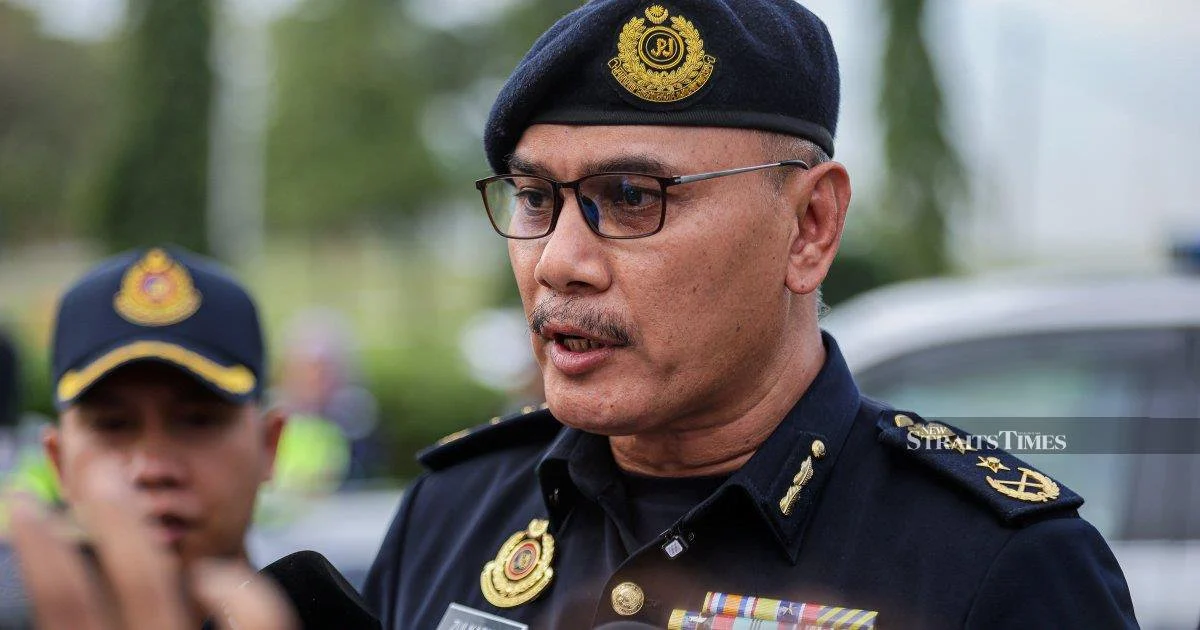
The Johor Road Transport Department has intensified its enforcement operations by issuing investigation notices to a number of motorcycle riders apprehended without helmets during the state election campaign period. The move reflects the department's commitment to traffic safety compliance even as the region experiences heightened political activity and increased road usage during campaign seasons.
Motorcycle safety remains a persistent public health challenge across Malaysia, where non-compliance with helmet regulations continues despite decades of legislation. The rate of helmetless riding has long been documented as a significant risk factor in motorcycle accidents, contributing disproportionately to serious injuries and fatalities. This enforcement action in Johor underscores how safety violations can proliferate during high-traffic periods when police and transport authorities face competing demands on their attention.
Election campaigns in Malaysia traditionally generate increased vehicular movement as supporters travel between rallies, candidate visits, and campaign events. Johor's recent campaign season appears to have coincided with a spike in traffic violations, prompting the RTD to prioritise enforcement operations. The issuance of investigation notices—rather than immediate fines—suggests the department is taking a structured compliance approach, allowing riders an opportunity to respond and potentially dispute the allegations before formal penalties are imposed.
The investigation notice system operates as an intermediate enforcement mechanism in Malaysia's traffic law framework. Recipients are typically required to respond within a specified period, either by attending a hearing, paying a penalty, or providing explanations for the alleged violation. This administrative process aims to create a documented record of traffic offences while offering due process before harsher sanctions like fines or license suspension are applied.
For Malaysian riders, motorcycle helmet compliance remains inconsistently enforced across different states and enforcement periods. While Johor's action demonstrates renewed vigilance during specific campaign periods, enforcement gaps during routine periods often undermine the effectiveness of long-term public safety messaging. Riders caught without helmets face penalties ranging from ringgit fines to licence demerit points, yet these deterrents have not substantially shifted behaviour across the riding population.
The broader context of this enforcement action reflects ongoing tensions between public safety imperatives and enforcement resource allocation. During election periods, traffic authorities must balance multiple responsibilities: managing campaign-related congestion, maintaining routine safety patrols, and addressing specific violations. The decision to focus on helmetless riders suggests the RTD identified this as a particularly visible or prevalent problem during the campaign timeframe.
Regional implications extend beyond Johor's borders, as adjacent states like Selangor and Negeri Sembilan face similar compliance challenges. The differing enforcement approaches across states can create inconsistent rider expectations and behaviours. A rider experiencing strict enforcement in Johor may expect similar rigour elsewhere, yet variable enforcement across the peninsula leaves compliance patterns fragmented and unpredictable.
For Southeast Asia more broadly, Malaysia's approach to traffic safety enforcement offers lessons on balancing administrative efficiency with effectiveness. Issuing investigation notices provides a paper trail for compliance tracking and allows for graduated responses to violations, yet critics argue this approach sometimes delays meaningful consequences. Countries across the region grapple with similar motorcycle safety challenges, where helmet usage remains significantly lower in rural and semi-urban areas compared to major cities.
The economic dimension of this enforcement action also merits consideration. Investigation processes and formal hearings impose administrative costs on both enforcement agencies and riders who must navigate bureaucratic procedures. For lower-income riders, even investigation notices can trigger cumulative expenses through required appearances, potential fines, and administrative fees, raising equity concerns about how traffic law enforcement affects different socioeconomic groups.
Public health advocates have long argued that strategic enforcement during high-traffic periods like election campaigns can reinforce safety messaging and create cultural shifts in compliance behaviour. When riders consistently observe enforcement activity, awareness of regulations theoretically increases, potentially influencing future behaviour even during periods of reduced police presence. However, sustainable safety improvements typically require consistent enforcement over extended periods rather than episodic crackdowns.
The investigation notice process also serves an intelligence function for transport authorities, generating data on violation patterns, high-risk rider demographics, and geographic hotspots for non-compliance. This information can inform future enforcement strategies and public safety campaigns. If Johor's RTD systematically analyses the investigation notices issued during the campaign period, such analysis could reveal whether helmetless riding was genuinely more prevalent during this period or whether enforcement intensity simply increased.
Moving forward, the effectiveness of this enforcement initiative will depend on how consistently the RTD pursues follow-up actions and whether penalties are ultimately imposed. If investigation notices are issued but lead to minimal subsequent enforcement, their deterrent value diminishes. Conversely, if the department demonstrates consistent follow-through, the notices can establish reputational costs for non-compliance that shape future rider behaviour.
For Malaysian road users, this action serves as a reminder that traffic enforcement remains active and that election periods do not suspend safety regulations. Riders across Johor and neighbouring states would be prudent to ensure full compliance with helmet requirements, particularly during high-visibility campaign seasons when enforcement activity typically intensifies and violation documentation is more thorough.

