%22%2F%3E%3C%2Fpattern%3E%3C%2Fdefs%3E%3Crect%20width%3D%22100%25%22%20height%3D%22100%25%22%20fill%3D%22url(%23ph4hc21g)%22%2F%3E%3Crect%20width%3D%22100%25%22%20height%3D%22100%25%22%20fill%3D%22url(%23ph4hc21p)%22%2F%3E%3Ctext%20x%3D%2250%25%22%20y%3D%2250%25%22%20text-anchor%3D%22middle%22%20dominant-baseline%3D%22central%22%20fill%3D%22rgba(255%2C255%2C255%2C0.95)%22%20font-family%3D%22Georgia%2C%20'Times%20New%20Roman'%2C%20serif%22%20font-weight%3D%22700%22%20font-size%3D%22272%22%20letter-spacing%3D%22-0.02em%22%3EJohor%3C%2Ftext%3E%3C%2Fsvg%3E)
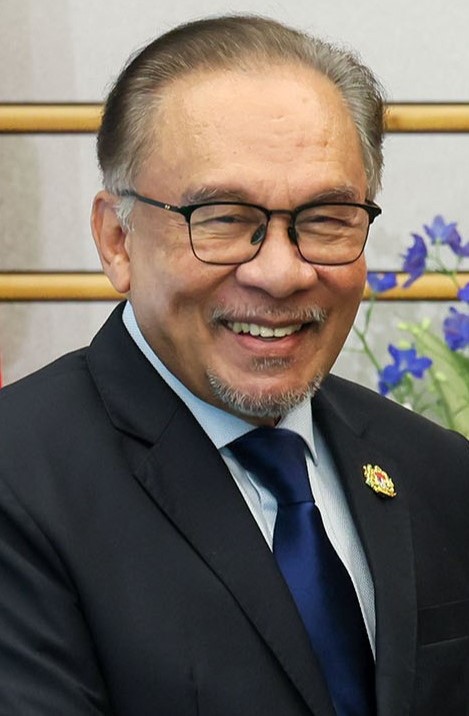
Prime Minister Datuk Seri Anwar Ibrahim has claimed that Johor received RM16 billion more from the Federal government than the state contributed in taxes, presenting this as evidence of equitable fiscal distribution under his administration. Speaking in Tangkak on June 23, Anwar highlighted the disparity as a measure of the government's dedication to ensuring that development benefits are shared across all Malaysian states rather than concentrated in a single region.
The assertion touches on a longstanding debate in Malaysian politics regarding how federal revenues are allocated among states. Johor, as one of Malaysia's largest and most economically significant states, has historically been a major contributor to the national treasury through various taxation mechanisms. Anwar's statement that the state received more funding than it paid in suggests a deliberate policy direction aimed at supporting state-level initiatives and addressing regional development gaps.
Federal funding distribution mechanisms in Malaysia operate through multiple channels, including direct grants, development allocations, and infrastructure investments. The Prime Minister's emphasis on Johor's position within this framework appears designed to counter perceptions that the state might be shortchanged in federal resource allocation. This messaging is particularly significant given Johor's political importance as a major electoral battleground and its economic contributions to the national GDP.
The RM16 billion figure, if accurately calculated across the relevant fiscal period, would represent a substantial commitment to Johor's development agenda. This includes investments in physical infrastructure, educational facilities, healthcare systems, and social programmes that benefit the state's residents. The specificity of the amount suggests detailed financial accounting has been conducted to arrive at this net figure, though the methodology and timeframe for the calculation were not immediately detailed.
Anwar's statement carries implications for how other states might view federal funding arrangements. States that perceive themselves as net contributors to the national treasury may view such disclosures with interest, particularly if they believe their own development needs are not adequately addressed through federal allocations. The comparative analysis of contributions versus receipts can become politically contentious, as different stakeholders may dispute methodology or challenge the accuracy of calculations.
The timing of this announcement, made during a visit to Tangkak, suggests a targeted outreach strategy to Johor constituents. By articulating the state's financial relationship with the Federal government in positive terms, the Prime Minister appears to be reinforcing support in a key political constituency. This approach aligns with broader governance strategies that emphasize performance metrics and tangible benefits delivered to voters.
Johor's development trajectory under this funding arrangement has been visible across multiple sectors. Recent years have witnessed investments in transport infrastructure, manufacturing zones, and digital economy initiatives that facilitate the state's economic growth. Whether these developments stem primarily from the federal allocation advantage Anwar cited, or from additional state-driven initiatives, reflects the complex interplay between federal and state governments in Malaysia's system of governance.
The statement also situates itself within broader national narratives about post-pandemic economic recovery and inclusive growth. As Malaysia navigates fiscal consolidation while maintaining development momentum, demonstrating equitable regional distribution becomes important for political legitimacy. Anwar's articulation of Johor's financial advantage serves as a counterpoint to any criticism that the federal administration favours particular regions over others.
Understanding how Malaysia distributes federal resources requires examining the overall architecture of federal-state fiscal relations. This includes reviewing development budgets, infrastructure commitments, and ongoing operational funding. The RM16 billion net advantage figure, therefore, represents one snapshot within this broader system, though without comprehensive context, the significance of this particular figure requires closer examination of the period covered and the categories included in the calculation.
The political dynamics of such announcements reflect the competitive nature of Malaysian federalism, where states vie for federal resources and attention. By publicly demonstrating that Johor has benefited substantially from federal allocations, Anwar signals that his government recognizes the state's importance and delivers on commitments to regional development. This messaging strategy operates on multiple levels: reassuring local stakeholders, establishing credibility on fiscal management, and reinforcing the administration's development credentials ahead of electoral cycles.
For Malaysian observers and regional analysts tracking federal-state relations, such statements provide insights into budget priorities and political strategies. The emphasis on Johor's position within the federal funding framework illustrates how contemporary Malaysian governance continues to negotiate between national consolidation and regional aspirations, balancing the interests of states with varying economic capacities and political influence.