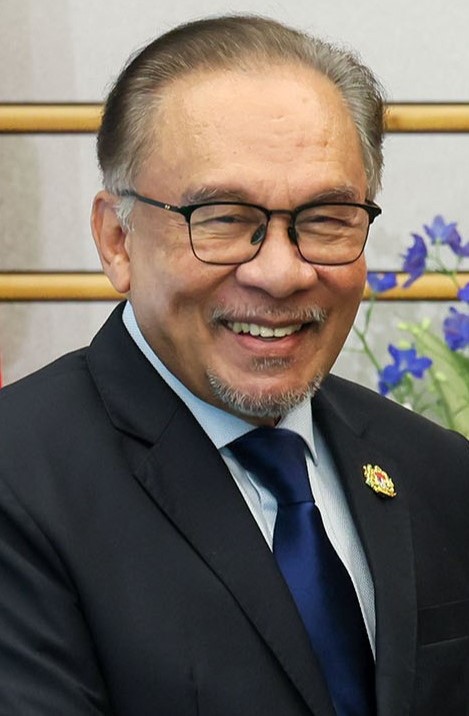
Johor's Barisan Nasional coalition has turned to Umno executive secretary Datuk Mohd Sumali Reduan to fly its flag in the Benut state constituency, positioning the long-serving party administrator as a fresh face in the upcoming state election. The selection underscores the coalition's strategy of deploying experienced party machinery operatives into frontline electoral contests, a pattern that has become increasingly common across Malaysian politics as traditional party hierarchies attempt to rejuvenate their public image.
Datak Sumali's appointment represents a notable transition from behind-the-scenes administration to public-facing politics. His tenure as Umno's executive secretary has afforded him considerable influence over party operations and internal processes, making him a familiar figure within Umno's corridors of power but largely unknown to the broader electorate. This contrast between institutional prominence and electoral visibility presents both opportunity and challenge for the Benut campaign, as voters will be evaluating a candidate whose profile has been primarily shaped within party structures rather than through constituency engagement.
The Benut constituency, located in Johor's western region, represents a significant battleground in what Barisan Nasional perceives as a crucial electoral contest. The state has undergone considerable demographic and economic shifts in recent years, with younger voters increasingly mobile and urban-centered, while traditional rural support bases remain important to coalition calculations. Datuk Sumali's candidacy will need to bridge these demographic divides and demonstrate relevance to constituencies ranging from industrial zones to agricultural areas.
Umno's decision to field executive-level party personnel reflects broader patterns within Malaysia's ruling party structures, where internal leadership often translates into electoral candidacies. However, this approach carries inherent risks, as party machinery experience does not automatically translate into grassroots appeal or constituency-level political understanding. The onus will be on Datuk Sumali to rapidly establish himself as a representative of Benut's interests rather than merely as an extension of Umno's central apparatus.
Barisan Nasional's candidate selection process across the Johor election has involved careful consideration of both party stability and electoral viability. By selecting Datuk Sumali, the coalition has balanced the need to retain experienced administrators within the party system while simultaneously introducing new faces to electoral contests. This approach seeks to signal renewal without wholesale abandonment of institutional knowledge and party discipline.
The timing of this candidacy coincides with Umno's ongoing efforts to reestablish political dominance following years of organizational turbulence and electoral setbacks at the federal level. State-level elections serve as critical testing grounds for national comeback strategies, and Johor, as Malaysia's second-largest state by population and a traditional Umno stronghold, carries particular significance for the party's broader revival ambitions.
Datak Sumali's legislative inexperience may require Barisan Nasional to invest significantly in campaign machinery and voter outreach to overcome the inherent disadvantage of introducing a newcomer to electoral politics. Party machinery and resource allocation typically favor sitting members or candidates with proven constituency connections, potentially limiting the support infrastructure available to first-time candidates. Conversely, his lack of prior parliamentary controversy or unpopular voting records provides a clean slate for voters evaluation.
The Benut constituency composition, including its ethnic and religious diversity, economic sectors, and infrastructure development priorities, will heavily influence how effectively Datuk Sumali's campaign messaging resonates with voters. Urban manufacturing areas, smallholder agriculture zones, and residential developments each represent distinct voter interests that require tailored policy engagement rather than generic party platforms.
Regionally, Datuk Sumali's candidacy forms part of a broader Barisan Nasional repositioning across Southeast Asian electoral contexts where traditional parties face intensifying competition from opposition movements and independent candidates. The outcome in Benut may provide indicators of whether established party apparatuses can successfully transition internal administrators into elected representatives, a question with implications beyond Johor for how legacy parties manage succession and renewal.
The election also occurs within Malaysia's complex federal-state political dynamics, where state governments increasingly chart independent policy courses and state representatives face expectations of delivering constituency-specific benefits rather than merely executing national party directives. Datuk Sumali will require demonstrating both party loyalty and independent advocacy capacity to meet these competing demands.
Barisan Nasional's broader electoral strategy in Johor appears designed to maximize administrative competency while gradually transitioning internal leadership into public roles. Whether this approach succeeds in Benut will depend significantly on Datuk Sumali's capacity to translate institutional experience into voter confidence and his willingness to engage substantively with constituency concerns beyond party organizational matters.