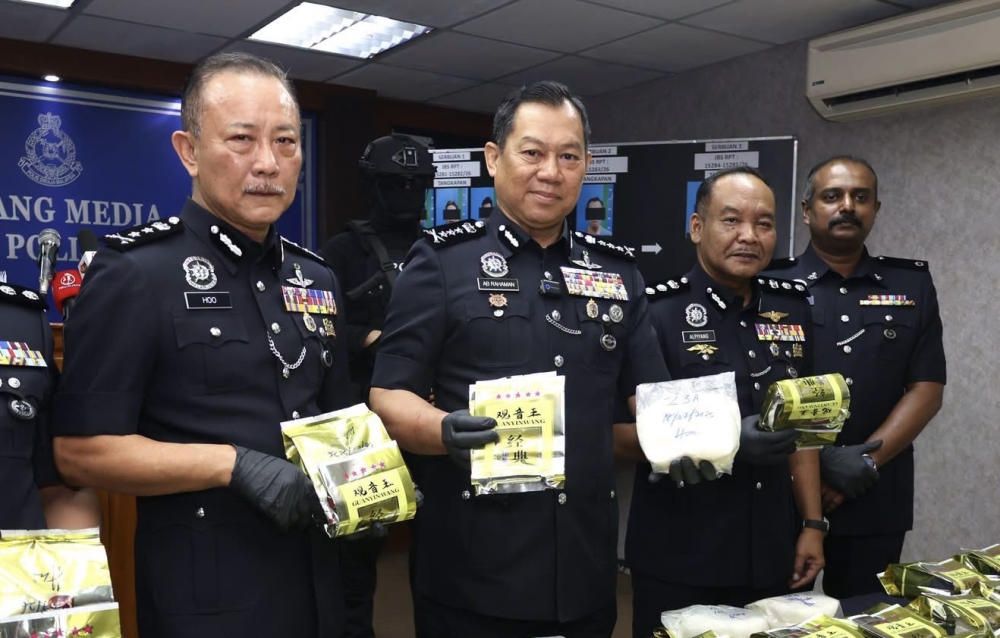
The Johor Bahru police force has successfully shut down a synthetic drug trafficking operation that had been actively distributing controlled substances across the southern state. The enforcement action culminated in eight arrests during a series of coordinated raids, with detectives identifying a notably young participant among those taken into custody.
What sets this particular case apart from routine drug busts is the operational structure authorities uncovered. Rather than operating from a fixed location, the network had been utilising a motor vehicle registered to an elderly resident as a mobile distribution point. This innovative criminal approach—converting a family car into a travelling pharmaceutical storehouse—reflects evolving tactics among drug syndicates seeking to evade detection and maintain operational flexibility. The use of an elderly person's vehicle suggests either coercion, financial inducement, or familial pressure compelling participation.
Among those arrested was a 16-year-old individual, raising serious concerns about youth involvement in organised drug distribution. The inclusion of a teenager in this operation highlights a troubling trend across Southeast Asia, where criminal syndicates increasingly recruit younger members who face lighter legal consequences and can navigate communities with less suspicion. Investigators will likely be examining whether the adolescent was a willing participant attracted by financial reward or a vulnerable youth exploited through manipulation or substance dependency.
The synthetic drugs market represents one of the most volatile criminal enterprises in Malaysia today. Unlike traditional opium-based narcotics, synthetics such as methamphetamine and MDMA can be manufactured relatively cheaply in clandestine laboratories, generating substantial profit margins while remaining difficult for authorities to trace. The proliferation of these substances has outpaced regulatory frameworks, and their addictive properties have created an expanding consumer base particularly among younger demographics in urban centres.
Johor Bahru's position as a major commercial and border hub has historically made it susceptible to drug trafficking operations. The state's connectivity to Singapore through the Causeway, combined with its proximity to international shipping routes, creates natural supply corridors for smugglers. Additionally, Johor's significant transient population—comprising workers, students, and tourists—provides cover for drug movements and creates demand from diverse consumer groups.
The police operation demonstrates the continuing importance of intelligence-led enforcement in disrupting supply chains before distribution reaches street level. By targeting the network's operational hub—the vehicle itself—authorities prevented ongoing transactions that might have supplied dozens of retail outlets and affected hundreds of users. The specific focus on the transportation mechanism suggests investigators had developed actionable intelligence regarding the ring's modus operandi, likely through tip-offs from the community or systematic surveillance.
The arrest of an elderly car owner also raises questions about whether adequate protections exist for senior citizens who might be coerced into facilitating criminal activity. Family vehicles or personal assets can become unwitting accomplices to crime when owners lack awareness of usage or feel unable to refuse permission. Policymakers might consider whether public awareness campaigns should educate older Malaysians about recognising signs of criminal exploitation involving their property.
Synthetic drug distribution networks typically operate with distinct hierarchies: manufacturers or importers at the apex, mid-level distributors managing regional supply, and street-level dealers handling retail transactions. Dismantling a network requires authorities to understand this structure and target critical nodes. The involvement of eight individuals across multiple raids suggests police may have identified participants spanning several operational levels rather than peripheral actors alone.
The case underscores Malaysia's ongoing battle with narcotics trafficking despite substantial enforcement resources deployed annually. Neighbouring Singapore's zero-tolerance approach and harsh sentencing regimes have pushed some operations across the border into Malaysian territory, where criminal penalties, though serious, remain comparatively less severe. This dynamic creates perverse incentives for transnational syndicates to establish Malaysian distribution hubs servicing broader regional markets.
Youth recruitment into drug operations demands particular attention from policymakers, educators, and community leaders. Prevention frameworks emphasising legitimate economic opportunities, mental health support, and early intervention in risk environments have proven effective in other jurisdictions. Malaysian authorities have launched youth rehabilitation programmes, yet questions persist about capacity, accessibility, and whether these initiatives reach vulnerable populations before syndicates do.
The broader implications of this bust extend beyond immediate crime statistics. It reflects law enforcement's growing sophistication in identifying unconventional operational methods—the mobile distribution approach demonstrates that modern drug networks continuously adapt tactics to evade detection. Police effectiveness depends partly on maintaining this adaptive capacity, requiring ongoing investment in intelligence capabilities, inter-agency coordination, and community reporting mechanisms.
As investigations continue, prosecutorial authorities will assess charges and sentencing recommendations for the eight individuals arrested. For the 16-year-old, the outcome carries particular significance, potentially determining whether rehabilitation pathways remain available or whether custodial sentences predominate. Youth justice systems across Malaysia face mounting pressure to balance accountability with rehabilitation, especially as adolescent involvement in serious crime continues expanding.

