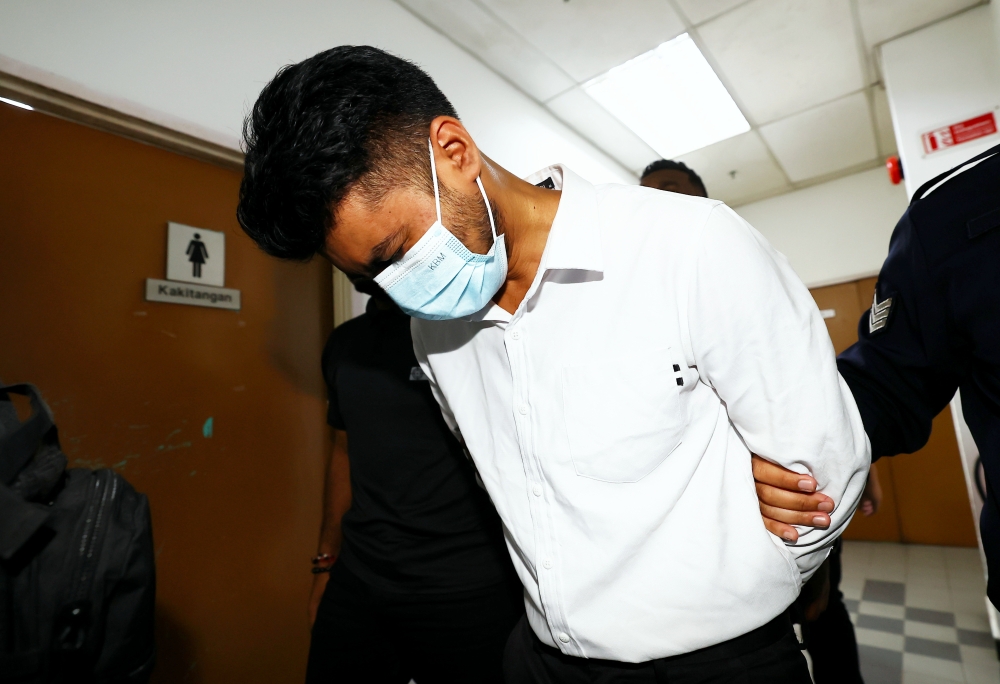
A 40-year-old customer service officer from Johor Bahru appeared before the Magistrate's Court to face murder charges relating to the death of an 18-month-old child, in a case that took three years from the initial incident to formal prosecution. The lengthy timeframe between the child's death and the murder charge underscores the complexity and investigative demands of such cases within Malaysia's criminal justice system.
The circumstances surrounding the child's death were initially documented differently when the incident first occurred, but subsequent investigation and review led authorities to reclassify the case. This reclassification triggered the decision to proceed with murder charges against the accused, rather than pursuing alternative charges that may have initially been considered. Such reclassifications are not uncommon in cases involving child deaths, where forensic evidence, autopsy findings, and witness testimony must be carefully evaluated before determining the appropriate charge.
Malaysia's approach to prosecuting cases involving child fatalities reflects broader international standards emphasising thorough investigation and evidence gathering before formal charges are filed. The three-year investigation period, while substantial, demonstrates the diligence required when building cases with serious charges such as murder. For Malaysian families and the public, such timelines raise questions about the pace of investigations and the emotional burden on families awaiting resolution.
The case has particular resonance in Johor, where child welfare and protection remain ongoing priorities for state authorities. Johor has experienced previous high-profile cases involving child deaths, each prompting discussions about child safety measures and the responsibilities of caregivers and institutions. This incident adds to the body of cases that inform ongoing reviews of how Malaysia handles protection systems for vulnerable young children.
Murder charges in cases involving infants and toddlers represent some of Malaysia's most serious criminal prosecutions. The burden of proof required to substantiate such charges is stringent, necessitating comprehensive investigation and expert testimony. The delay between the initial incident and formal charges may reflect the necessity of conducting thorough forensic analysis, obtaining medical opinions, and carefully examining evidence before proceeding to court.
From a legal perspective, the reclassification demonstrates how investigations evolve as new evidence emerges or existing evidence is reanalysed. This process, though protracted, serves an important function in ensuring that charges reflect the evidence and circumstances of each case accurately. Magistrate's Courts in Malaysia are responsible for hearing preliminary evidence in serious cases and determining whether matters should proceed to higher courts.
The accused's appearance before the Magistrate's Court initiates a formal legal process that will involve presentation of evidence, testimony from witnesses and experts, and examination of circumstances surrounding the child's death. The court must be satisfied regarding jurisdiction and the sufficiency of evidence before matters progress further. For the defendant, this marks the beginning of what may be a prolonged legal journey through Malaysia's court system.
Child protection remains a critical issue across Southeast Asia, with Malaysia continuously working to strengthen mechanisms for identifying at-risk children and intervening in cases of suspected harm. Cases involving unexplained or suspicious child deaths inevitably prompt reviews of early warning systems, reporting protocols, and coordination between medical, social welfare, and law enforcement agencies. The delay in this case may also stimulate discussions about ways to expedite investigations without compromising thoroughness.
The reclassification of charges after significant time has elapsed raises important questions about how Malaysia's investigative and prosecutorial systems handle complex cases. While delays can be frustrating for families and the public seeking closure, they must be balanced against the necessity of ensuring that serious charges are pursued only when evidence genuinely supports them. Mischaracterisation of cases can have severe consequences for the accused and undermine public confidence in the justice system.
Court proceedings in such cases are often conducted with sensitivity to the involvement of a young child. Johor's Magistrate's Courts follow established procedures governing the presentation of evidence in sensitive matters, with particular attention to protecting the dignity of the deceased and managing the emotional dimensions of such cases. The media's coverage of child death cases in Malaysia typically adheres to guidelines that balance public interest in justice with privacy and welfare considerations.
Moving forward, this case will likely proceed through preliminary enquiry stages where the court assesses whether sufficient evidence exists to commit the accused for trial in a higher court. Should the magistrate find a prima facie case, the matter would progress to the High Court for full trial. The legal journey ahead will be closely watched by child welfare advocates and legal observers monitoring Malaysia's handling of serious child protection cases.
The incident underscores ongoing challenges in child protection systems, investigations into unexplained child deaths, and the resources required for thorough prosecutorial processes. For Malaysian communities, particularly in Johor, the case serves as a sobering reminder of risks facing vulnerable young children and the importance of vigilant safeguarding mechanisms. As the legal proceedings unfold, authorities will be balancing the pursuit of justice with meticulous attention to evidence and procedure.

