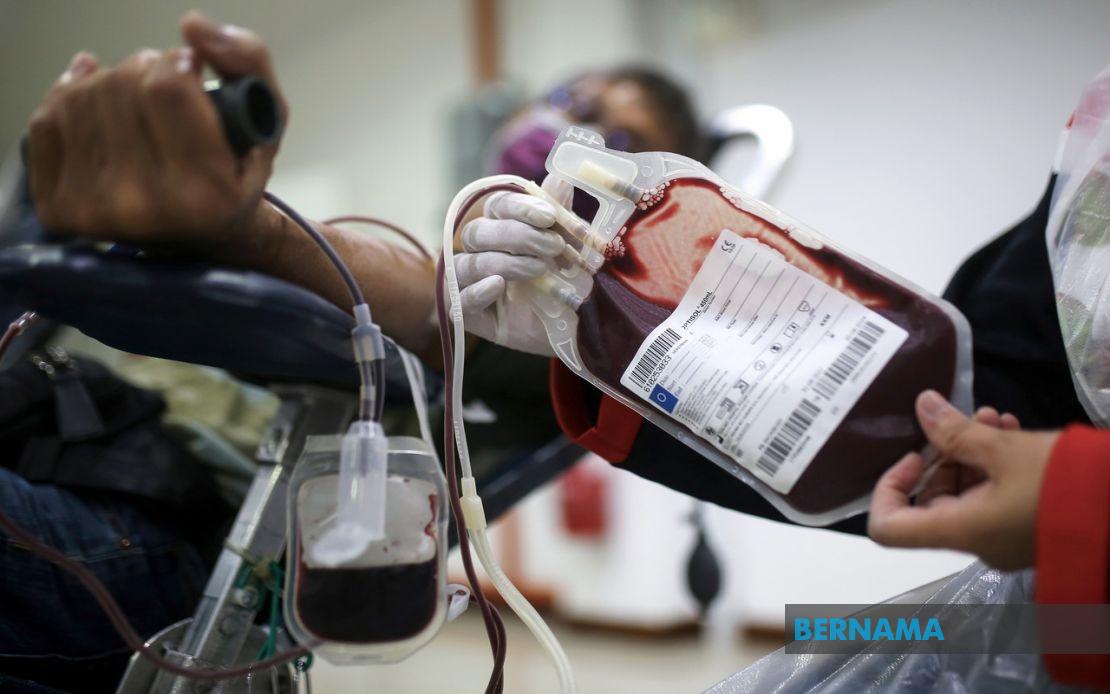
Hospital Sultanah Aminah (HSA) in Johor Bahru has launched a fresh appeal for blood donors to replenish dwindling supplies of types O and AB, both in high demand as hospitals across the region face mounting pressure to maintain adequate reserves. The Transfusion Medicine Department issued the call through social media, signalling that current stocks have reached concerning levels that could impact the hospital's ability to meet patient care requirements.
The timing of this appeal underscores a recurring challenge facing Malaysian healthcare providers. Blood donation campaigns must operate continuously to maintain the delicate balance between supply and demand, a task complicated by seasonal fluctuations, competing health emergencies, and the natural variability in donor participation rates. Type O blood, being the universal donor type, is perpetually in high demand across all hospital departments. Type AB blood, conversely, represents the rarest blood type in Malaysia and many Southeast Asian populations, making appeals for AB donors particularly critical when reserves fall below operational thresholds.
HSA has coordinated with multiple venues across Johor Bahru to establish comprehensive collection points, recognising that accessibility directly influences donor turnout. The hospital has directed prospective donors to consult the Johor Bahru Blood Donation Campaign Schedule page for specific location details and timing, enabling potential contributors to plan their participation around their personal schedules. This multi-location approach reflects lessons learned from previous campaigns about maximising donor accessibility.
The Johor Blood Donation Centre at Mid Valley Southkey is operating extended hours through the coming weekend, welcoming donors from 10 am until 6.30 pm daily. This extended timeframe acknowledges that working individuals and those with other commitments require flexibility to participate in donation activities. Similarly, AEON Mall Bukit Indah has established a temporary collection facility operational across the same weekend period from 10 am to 3 pm, positioning blood donation services within high-traffic retail environments where foot traffic naturally draws potential donors.
The HSA Blood Donation Centre itself is operating from 8 am to 4.30 pm across the immediate coming days, providing a dedicated facility for those specifically seeking to donate at the hospital location. This layered approach—combining fixed-site facilities with temporary collection points in commercial venues—represents a sophisticated strategy to reach diverse donor demographics. Shopping centres particularly attract younger donors and families, while hospital-based facilities retain appeal for those with prior donation experience and familiarity with medical environments.
From a broader Southeast Asian perspective, blood supply challenges resonate across the region. Malaysia's healthcare infrastructure relies substantially on voluntary, non-remunerated blood donation systems modelled on developed nation standards. However, maintaining robust donor participation requires sustained community education and regular mobilisation campaigns. Countries including Singapore, Thailand, and Indonesia face similar pressures, with blood transfusion services frequently operating near operational capacity rather than maintaining comfortable surplus reserves.
The appeal for types O and AB specifically reflects epidemiological realities shaping demand patterns. Type O negative blood, though less common than type O positive in Southeast Asian populations, remains invaluable in emergency situations where patient blood type remains unknown. Type AB blood, though statistically rare, becomes irreplaceable when needed—AB recipients can receive only AB blood, creating urgent shortages when supplies fall below minimum thresholds. Hospitals cannot substitute or defer transfusions for AB recipients, making this blood type's scarcity a persistent vulnerability in healthcare systems.
Seasonal variations significantly influence donation rates. August typically sees reduced donor participation as families engage in school holidays and travel arrangements, compounding pressure on hospital blood banks. Weather patterns, religious observances, and public holidays all create predictable fluctuations that transfusion services must anticipate and mitigate through proactive campaigns. HSA's current appeal likely reflects accumulated effect of these seasonal pressures coinciding with recent patient admissions generating above-normal transfusion demand.
For Malaysian readers and those across the region considering blood donation, understanding eligibility criteria and health requirements remains essential. Donors must meet stringent health standards, including minimum weight requirements, adequate haemoglobin levels, and absence of recent travel to endemic disease regions. First-time donors typically require longer appointment times than regular donors, influencing campaign scheduling and venue selection.
The sustainability of blood transfusion services depends fundamentally on cultivating consistent donor populations. Countries with mature blood banking systems invest heavily in donor retention programmes, recognising that regular donors represent far more reliable supply sources than sporadic campaign-driven participation. Malaysia's transfusion services continue developing such programmes, with initiatives including donor recognition schemes, convenient appointment systems, and integration with digital platforms improving accessibility.
Hospitals nationwide have increasingly coordinated regional appeals, recognising that blood supply challenges do not respect institutional boundaries. HSA's campaign sits within broader efforts by Malaysian healthcare providers to maintain national blood security. State-level coordination through entities like the Johor Blood Donation Centre enables efficient resource distribution while preventing localised shortages that could compromise clinical outcomes.
Potential donors should note that participation requirements extend beyond physical eligibility. Donors must allow adequate recovery time between donations—typically eight weeks for whole blood donations—necessitating regular participation to sustain institutional supplies. The urgency of HSA's current appeal underscores the mathematical reality that maintaining operational reserves requires continuous donor engagement rather than episodic participation.

