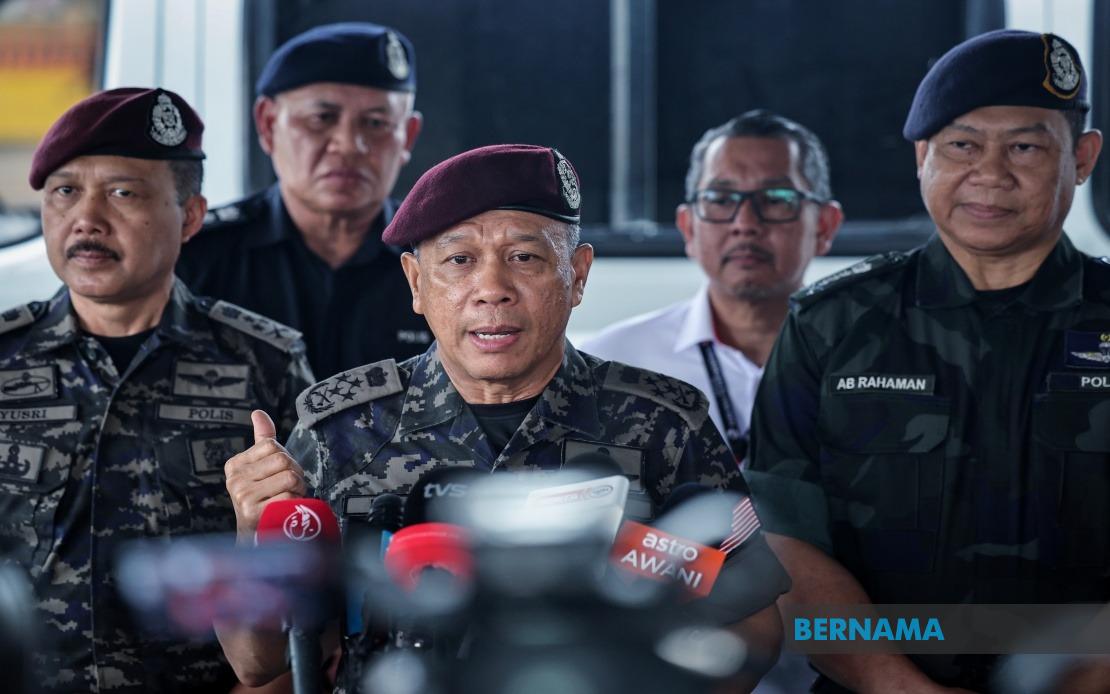
The 16th Johor State Election concluded its campaign phase without significant security concerns, according to law enforcement authorities overseeing the electoral process. Inspector-General of Police Tan Sri Mohd Khalid Ismail disclosed that police documented 90 incidents across the state during the two-week campaign period, which ended at midnight on July 10. Importantly, none of these matters involved election candidates or prominent figures from the competing political parties, marking a relatively incident-free democratic exercise.
Investigations into these reported matters remain ongoing, with authorities establishing 25 formal investigation papers to determine culpability and guide appropriate legal action. The nature of most complaints centred on relatively minor infractions rather than serious electoral violations. Police identified that vandalism and political misconduct dominated the reports, particularly incidents involving damage to, unauthorised removal of, and destruction by fire of political party flags and campaign materials.
The oversight operation deployed substantial law enforcement resources to guarantee an orderly election day. A total of 14,000 police officers and personnel were stationed across Johor's 56 state constituencies, reflecting the scale of coordination required to monitor the voting process across such a geographically dispersed state. Of this contingent, 5,600 officers travelled from police units nationwide to supplement local Johor Police resources, demonstrating interstate cooperation in election security.
The election drew participation from more than 2.7 million registered voters, representing a significant electoral mandate from Johor's population. Polling proceeded without disruption or reported security breaches, as confirmed by the Inspector-General during his visit to observe voting procedures at Sekolah Menengah Kebangsaan Taman Molek. The absence of untoward incidents on polling day itself underscores the effectiveness of the security posture adopted by electoral authorities and law enforcement agencies working in coordination.
Tan Sri Mohd Khalid was accompanied during his monitoring duties by senior officials including Datuk Seri Mohd Yusri Hassan Basri, who heads the Internal Security and Public Order Department, and Johor Police Chief Datuk Ab Rahaman Arsad. This multi-agency presence reflected the institutional seriousness accorded to maintaining election integrity and public confidence in democratic processes. The involvement of security agencies across different portfolio areas indicated comprehensive oversight of the electoral exercise from logistical, security, and constitutional perspectives.
Investigation papers currently under processing represent the preliminary stage of fact-finding to establish responsibility for the documented incidents. Police acknowledged that this analytical phase would identify individuals or groups accountable for the reported contraventions, enabling the relevant authorities to proceed with appropriate sanctions or legal action proportionate to the severity of each case. The measured approach adopted by investigators reflects international best practices in post-election review, where documentation and investigation occur without politicisation.
For Malaysian voters and international observers, the conduct of the Johor election provides important insights into the stability of electoral processes within Malaysia. The state's elections hold particular significance within the broader Malaysian political landscape, given Johor's economic importance, substantial population, and historical role in determining political momentum across the peninsula. The peaceful and orderly completion of this contest reinforces confidence in Malaysia's democratic institutions and the capacity of security agencies to facilitate electoral participation.
Authorities made explicit appeals for voter cooperation in reporting complaints through official channels. The Inspector-General urged citizens who experienced irregularities or grievances during the voting process to file formal complaints with police, enabling the Election Commission and relevant agencies to investigate and rectify any procedural failures or misconduct. This emphasis on transparent complaint mechanisms encourages post-electoral accountability and creates documentary records for institutional learning.
The deployment strategy adopted across the 56 constituencies reflects tailored security assessment, with different levels of police presence calibrated to address constituency-specific risks or requirements. This granular approach demonstrates sophisticated election security planning beyond generic uniform deployment across all areas. The integration of national police contingents with local Johor Police officers created hybrid teams leveraging both territorial knowledge and broader institutional experience.
As Malaysian states continue to conduct elections across different timelines, the Johor experience offers a replicable model for coordinating multiagency electoral oversight. The relatively low incident rate and absence of candidate involvement in reported violations suggest that existing institutional frameworks and security protocols function effectively when appropriately resourced and implemented. Future elections across other Malaysian states can draw upon lessons from Johor's management of such a large-scale democratic exercise involving millions of voters across diverse geographic and demographic contexts.

