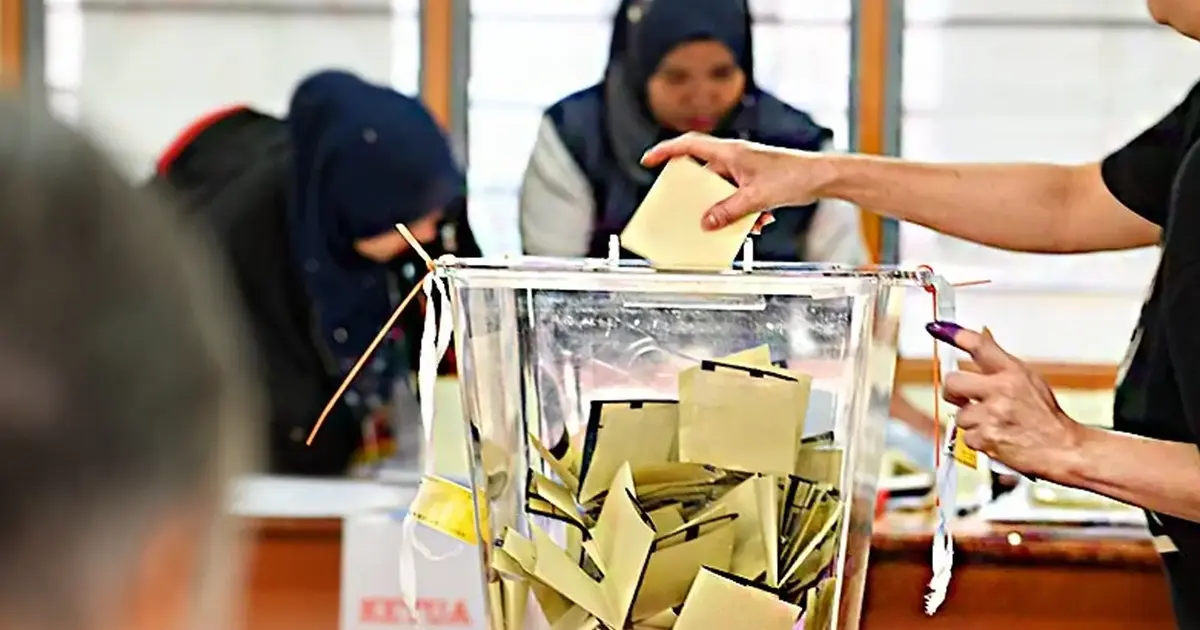
Political analysts are increasingly focusing on a demographic cohort that could prove decisive in Johor's forthcoming electoral contest: voters between 21 and 39 years old. This bloc, representing a substantial slice of the electorate, holds particular sway because their voting choices remain less predictable than older generations and they have demonstrated growing willingness to shift allegiances based on specific policy platforms rather than traditional party loyalty.
The 21-39 age bracket encompasses two distinct generations—older millennials and Generation Z—whose formative years and early adulthood coincided with Malaysia's economic transformations, the rise of digital communication, and successive waves of political change. Unlike voters who developed their political preferences decades ago, this younger cohort evaluates parties dynamically, comparing promises against lived experience. Their electoral weight in Johor reflects broader demographic patterns showing younger populations increasingly constitute meaningful proportions of the voting population across Southeast Asia.
Economic stability ranks as the foremost concern animating this age group's political calculations. Many have entered the workforce during periods marked by wage stagnation, rising living costs, and increased precarity in employment arrangements. The experience of struggling to build financial security while watching housing prices climb beyond reach has created a generation acutely aware of economic inequality. Parties seeking their support must articulate concrete, credible strategies for creating sustainable employment opportunities that offer genuine career progression rather than mere job creation statistics.
Housing emerges as perhaps the most emotionally resonant issue for voters in this bracket. Young Malaysians increasingly postpone family formation because property ownership remains financially inaccessible on typical salaries. Johor, as the nation's second-largest state with significant urbanisation in Johor Bahru and surrounding areas, has experienced property price escalation that has priced out first-time buyers from many neighbourhoods. Political platforms addressing housing affordability through mechanisms like government-backed mortgage schemes, stricter controls on foreign property purchases, or mandatory affordable units in new developments resonate powerfully with this demographic.
Employment quality and wage growth represent interconnected anxieties shaping younger voters' political preferences. Graduates entering the workforce often find themselves competing for positions that offer salaries barely exceeding the minimum wage, despite their qualifications. Underemployment—holding jobs below one's educational credentials—affects significant numbers in this age bracket. Parties must demonstrate understanding that this generation values not merely job availability but meaningful employment with adequate compensation, benefits, and advancement prospects. Policies addressing skills training, wage standards, and job market regulations attract particular attention from economically anxious younger voters.
Family commitments weigh heavily on political calculations for the 21-39 age group, many of whom are navigating parenthood or contemplating it. Cost of living pressures—groceries, utilities, childcare, education fees—dominate household budgets and become central election issues for parents or those planning families. Government subsidies, school improvement initiatives, healthcare accessibility, and childcare support become tangible election concerns rather than abstract policy matters. Parties addressing these daily burdens often secure disproportionate support from younger family-oriented voters.
The digital connectivity of this demographic fundamentally alters how they engage with political messaging and information. Unlike older generations relying primarily on traditional broadcast media, voters aged 21-39 consume political content through social media, messaging applications, online news platforms, and peer networks. Misinformation and disinformation spread rapidly through these channels, but so does authentic grassroots political mobilisation. Parties must maintain credible digital presence and ensure messaging consistency across platforms, as younger voters quickly detect and penalise perceived hypocrisy or manipulation.
Regional context adds dimension to Johor's younger voter dynamics. The state's proximity to Singapore influences economic expectations and comparative political standards. Johor residents regularly encounter glimpses of Singapore's efficiency, wage levels, and public services, creating reference points against which they evaluate their own government's performance. This proximity effect makes Johor's younger voters particularly demanding regarding corruption, transparency, and administrative competence, as they possess clearer benchmarks for comparison than voters in inland states.
Historically, younger voters have demonstrated less organisational loyalty but greater issue-focus than their elders. They reward parties delivering on specific commitments and punish those perceived as incompetent or dishonest. This conditional loyalty structure requires parties to identify clearly which substantive issues matter most to this demographic in Johor specifically, then commit to measurable outcomes rather than vague promises. Generic appeals to "youth" without addressing concrete economic and social grievances typically fail to mobilise this cohort effectively.
The stakes surrounding younger voters extend beyond Johor itself. State elections serve as bellwethers for national sentiment, and the younger demographic's behaviour in Johor may signal broader patterns affecting future federal elections. Parties that successfully capture this age group's support in Johor gain valuable insights into messaging, policy platforms, and organisational approaches applicable elsewhere. Conversely, poor performance among 21-39 year-olds in Johor may forecast electoral challenges in other states with similarly young, economically anxious populations.
Party strategists increasingly recognise that generic appeals to stability or tradition carry diminished weight with voters whose primary concern centres on whether they can afford housing, secure stable employment, and provide adequately for families. Johor's electoral outcome may ultimately hinge on which coalition better demonstrates comprehension of these material concerns and offers substantively credible pathways toward economic security for the younger voters casting their ballots.