A major pre-election dialogue scheduled for Johor will proceed as planned on Tuesday, July 7, even though Menteri Besar Datuk Onn Hafiz Ghazi has indicated he cannot participate due to prior engagements. The event, being organised collaboratively by RTM, Astro AWANI and Sinar Harian, represents an attempt to bring political figures and the public together during a critical election period in Malaysia's southernmost peninsular state. The broadcast will emanate from the RTM Auditorium at the Johor Broadcasting Department, commencing at 8 pm.
When approached for confirmation, a spokesperson from Onn Hafiz's office stated flatly that the Menteri Besar was not on the programme schedule. The brief statement suggested that the absence was neither unexpected nor a last-minute cancellation, implying the organisers had proceeded with their planning in full knowledge of his unavailability. This development raises questions about the political dynamics surrounding the election, particularly whether the dialogue was designed with both major participants in mind from the outset.
The event will instead feature Communications Minister Datuk Fahmi Fadzil alongside Dr Maszlee Malik, the Pakatan Harapan candidate contesting the Puteri Wangsa state seat. The format aims to provide a balanced platform for both figures to articulate their respective visions, policy initiatives, and strategic priorities on issues that resonate with Johor voters. Organisers have emphasised that the one-hour session will offer equitable treatment to both participants, though the absence of the state's chief executive is notable given his position and influence.
The dialogue is expected to draw approximately 200 participants representing various government departments, public agencies, and MADANI Communities throughout the state. This broad engagement strategy suggests the organisers view the event as having significance beyond standard election coverage, attempting to involve civil servants and community leaders in direct exposure to policy positions and political messaging. The inclusion of government representatives alongside the general public indicates an intention to facilitate informed civic participation ahead of the polls.
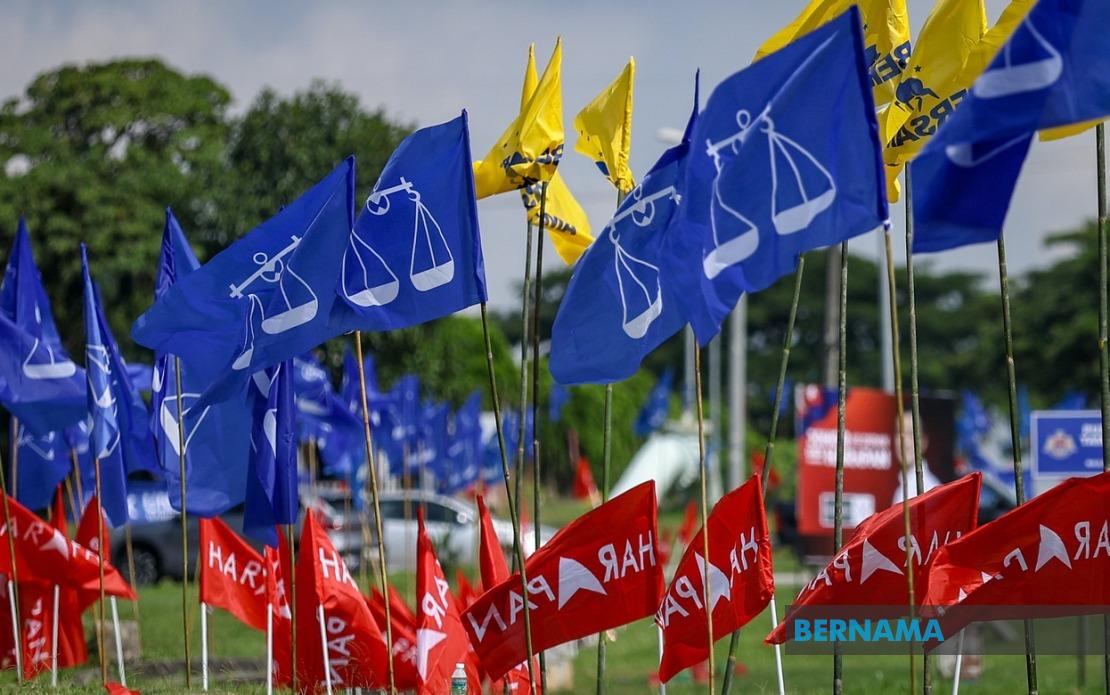
Johor's electoral landscape is notably competitive this year, with the 16th state election featuring 172 candidates seeking selection across 56 state assembly seats. The election itself is scheduled for July 11, with early voting occurring on July 7—the same day as this dialogue. This timing creates an unusual situation where voters can cast ballots either early or on election day, potentially allowing those who participate in the evening dialogue to have already voted or to plan their participation on the actual election date.
The simultaneous scheduling of early voting and the dialogue illustrates how Malaysian political campaigns now integrate multiple formats to reach and engage voters. Broadcasting the dialogue live on major media platforms allows those unable to attend the physical venue to observe the exchange and form their own judgments. For a state like Johor, which has traditionally been a political bellwether for broader Malaysian electoral trends, the event carries implications extending well beyond state boundaries.
The dialogue's stated purpose—to provide candidates with a platform for presenting solutions to public concerns—reflects growing recognition that voters increasingly demand substantive engagement on policy matters. Rather than relying solely on rallies or traditional campaign methods, political parties and media organisations are collaborating to create structured forums where detailed discussion becomes possible. This evolution in campaign formats suggests voters, particularly in urbanised areas of Johor, expect more than slogans and campaign rhetoric.
Onn Hafiz's non-participation, while confirmed by his office, potentially affects the perceived symmetry of the debate. As Menteri Besar and leader of the state government, his presence would have carried particular weight and authority. His absence may be interpreted variously—either as a strategic choice to avoid a direct confrontation with opposition candidates, or simply as reflecting genuine scheduling conflicts. The optics of an incumbent chief executive declining to appear alongside opposition figures in an election context can influence public perception, regardless of the stated reasons.
For opposition politics in Johor, Dr Maszlee's participation offers visibility and an opportunity to present Pakatan Harapan's alternative vision for the state. His appearance alongside a senior federal minister indicates federal-level party support for the campaign effort in Johor. The contest for Puteri Wangsa and other seats will significantly shape Johor's political direction, making such dialogues important platforms for articulating contrasting policy positions on economic development, infrastructure, healthcare, and education.
The collaboration between RTM, Astro AWANI and Sinar Harian demonstrates Malaysia's major media organisations' commitment to covering elections through interactive formats that transcend simple reporting. By jointly organising this dialogue, these outlets position themselves as facilitators of democratic discourse rather than passive observers. This approach aligns with broader global trends where media organisations increasingly view election coverage as an opportunity to strengthen democratic participation and informed voting.
For Malaysian and Southeast Asian observers, the Johor election carries significance as a test of political sentiment in a traditionally important state. Recent Malaysian electoral contests have demonstrated increasing voter mobility across party lines and heightened expectations for governance quality. The dialogue format being employed here reflects how campaigns must now accommodate demands for substantive policy discussion alongside traditional political mobilisation efforts.
The event's focus on issues affecting ordinary Johor residents underscores how state elections increasingly turn on questions of deliverable governance rather than purely ideological positioning. Both federal and state leaders face voter expectations about concrete improvements in public services, economic opportunities, and quality of life. The structured dialogue format allows candidates to move beyond sound bites and address these expectations directly, potentially influencing voter decisions as the election approaches.

