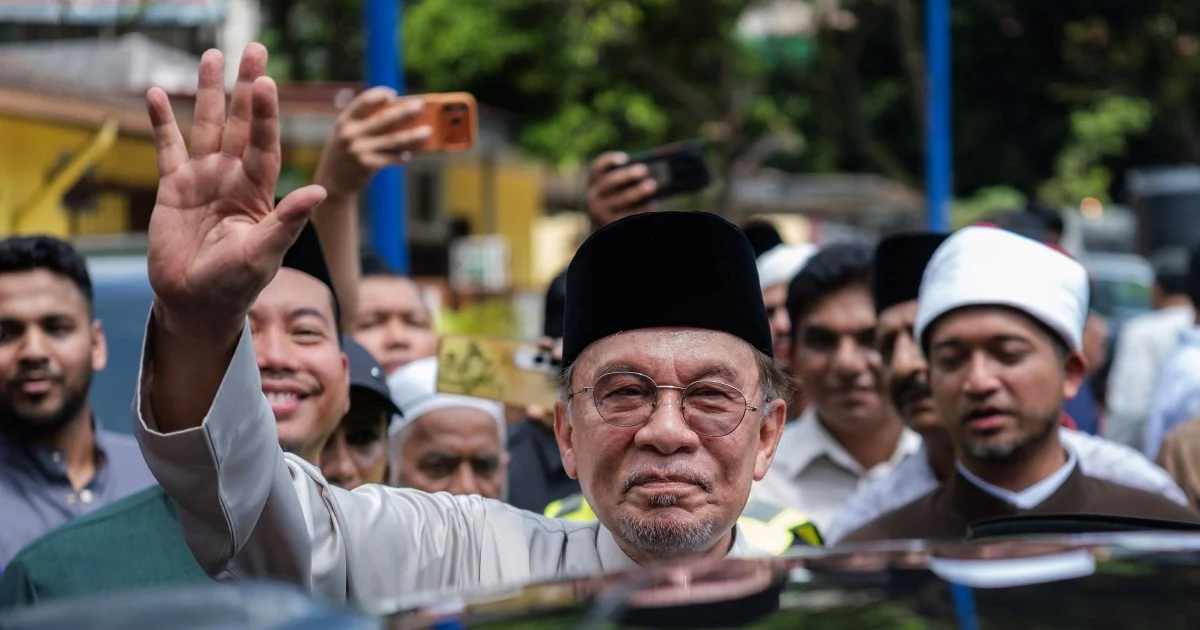
The Johor state election is entering a critical and frenetic phase this weekend, with Prime Minister Anwar Ibrahim and Deputy Prime Minister Zahid Hamidi among a constellation of senior political figures arriving to lead campaign activities. The influx of high-ranking officials signals how intensely both the ruling coalition and opposition are treating the contest, with party leaders and ministerial personnel preparing speeches, grassroots engagements, and public forums across the southern state. The concentration of heavyweight political presence in Johor within days reflects the state's significance within Malaysia's political landscape and its potential bearing on the broader national political trajectory.
Johor elections have historically carried outsized importance, given the state's substantial electoral base, established party machinery, and influence over sentiments in peninsular Malaysia. The arrival of such senior leadership indicates that parties view this contest not merely as a state-level affair but as a test of their appeal and organisational capacity heading into potential future national calculations. For the governing coalition, demonstrating strength in Johor is essential to validating their claim to lead Malaysia. For opposition parties, a strong showing would represent a significant momentum shift and signal renewed capability to challenge the incumbent administration.
The campaign intensity reflects anxieties and expectations embedded in Johor's political culture. The state has been a traditional stronghold for certain political factions, yet recent national developments have unsettled old voting patterns and allegiances. Voters in Johor, like those across Malaysia, grapple with cost-of-living pressures, employment concerns, and broader questions about governance quality and direction. Leaders descending on the state are tasked with articulating their visions for addressing these bread-and-butter issues while simultaneously mobilising party faithful and persuading persuadable voters.
The ceramah tradition remains central to Malaysian campaign strategy, particularly in state contests where direct engagement with communities still carries considerable weight. These public forums allow leaders to communicate policy positions, defend party records, and attack political opponents before large audiences. The schedule of multiple ceramahs across different constituencies in Johor over the weekend indicates both parties are pursuing comprehensive coverage, seeking to reach voters across urban, semi-urban, and rural areas. The accessibility of such events also provides opportunities for voters to question candidates directly and gauge their responsiveness to local concerns.
Anwar Ibrahim's participation underscores the federal government's stakes in the outcome. As Prime Minister, his presence carries symbolic weight and media attention that can amplify campaign messaging. His itinerary and the specific constituencies he visits will be closely scrutinised by analysts seeking clues about where governing coalition believes the contest is competitive or potentially vulnerable. Similarly, Zahid Hamidi's role reflects his position as both Deputy Prime Minister and a major figure within the United Malays National Organisation, which commands substantial grassroots networks within Johor.
The opposition's campaign activities equally warrant attention, as they represent efforts to consolidate support and expand appeal among voter segments dissatisfied with current governance. The weekend will likely see opposition leaders articulating alternative policy directions and highlighting perceived failures or shortcomings of the incumbent administration. The competitive dynamics between ruling and opposition camps create an environment where political messaging becomes increasingly pointed, though typically remaining within bounds of civility established by election commission guidelines.
Johor's demographic diversity—encompassing substantial Malay-Muslim, Chinese, and Indian communities—means campaigns must address varied priorities and concerns. Economic competitiveness, affirmative action policies, religious and cultural representation, and infrastructural development each resonate differently across different populations. Leaders visiting this weekend will need to carefully calibrate their messaging to appeal to multiple constituencies without appearing to abandon core supporters. This balancing act represents one of the defining challenges in Malaysian electoral politics and separates accomplished campaigners from less effective ones.
The weekend's campaign blitz also reflects operational realities of modern Malaysian politics. With media coverage concentrated and voter attention heightened during campaign periods, senior leaders maximise their presence and visibility during these windows. The scheduling of multiple events within a compressed timeframe allows parties to reach broader audiences while maintaining momentum and keeping their campaigns in constant media rotation. The physical presence of senior figures also serves organisational purposes, energising local party cadres and conveying to grassroots supporters that central leadership takes their efforts seriously.
For Malaysian and Southeast Asian observers, the Johor election provides early indicators of how political dynamics may evolve nationally. Regional analysts watching Malaysian politics often treat state contests as barometers for broader sentiment and coalition stability. A strong or weak performance in Johor could influence calculations about political positioning not only within Malaysia but potentially affecting regional diplomatic and economic relationships, given Malaysia's importance in Southeast Asian affairs.
The electoral outcomes in Johor will also test the durability of current political alignments. Malaysian coalition politics has experienced significant flux over recent years, with parties shifting allegiances and voter blocs demonstrating volatility. Whether the governing coalition and opposition can maintain or consolidate support in Johor will offer insights into whether recent patterns represent lasting realignment or temporary fluctuation. Leaders attending this weekend's campaigns are therefore fighting not just for seats but for narrative control over Malaysia's political direction.
As the campaign weekend approaches, Johor residents will encounter intensive political engagement from the nation's senior leadership. The convergence of such figures provides unusual opportunity for direct electoral engagement and exposes senior officials to voter perspectives and concerns. Whether this concentrated campaign activity shifts voter sentiment, reinforces existing preferences, or produces unexpected dynamics will only become clear once voting concludes and results are analysed.

