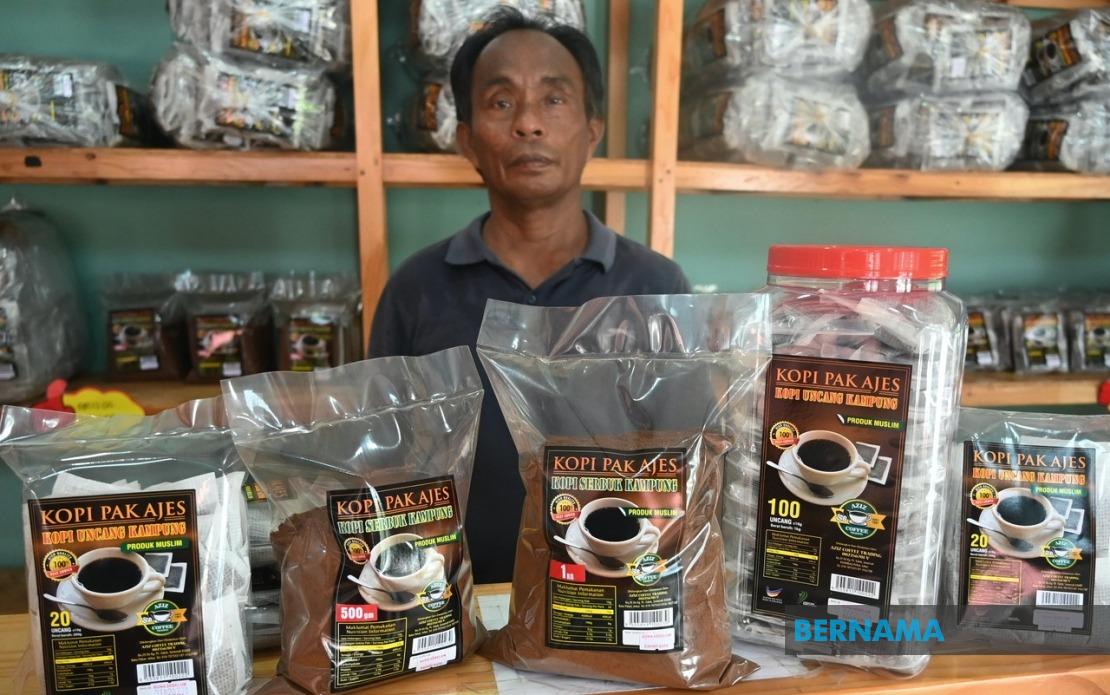
The 16th Johor state election has delivered an unexpected commercial boon to Aziz Mohd, a 65-year-old coffee entrepreneur better known locally as Pak Ajes. Operating his family business from Kampung Parit Sidek in Semerah, he has witnessed orders multiply dramatically as campaign machinery mobilises across constituencies including Semerah, Sungai Balang and Bukit Naning. The heightened activity surrounding the election—which will see 172 candidates contest 56 state seats—has transformed his coffee operation into a critical supply hub for candidates and their support networks.
For Pak Ajes, the election season represents more than a seasonal uptick. Running Aziz Coffee Trading, he recognised early that the intensity of campaigning would reshape his customer profile temporarily. He and his son began preparing weeks in advance after receiving advance notice from representatives connected to various candidacies, strategically positioning themselves to capture this concentrated demand. The foresight proved essential, as the volume of orders quickly exceeded his standard production capacity. To meet the surge, he was forced to source coffee beans from distant suppliers in Rengit and Kluang, a measure that demanded both logistical coordination and additional capital investment.
The journey that led to this moment began decades earlier. In 1991, Pak Ajes noticed that a neighbouring village had accumulated excess coffee beans destined for disposal. Sensing an opportunity, he began processing these beans initially for personal consumption and gradually expanded to supplying beverage stall operators in the vicinity. Before establishing his current enterprise, he had pursued multiple agricultural ventures simultaneously—raising quail for egg production and cultivating mushrooms for sale to market suppliers. This diversified approach to rural entrepreneurship was common in earlier decades, reflecting the entrepreneurial adaptability required in small towns across Malaysia.
His transition into full-time coffee production required minimal capital. Beginning with approximately RM200 accumulated from selling quail eggs and mushroom harvests, Pak Ajes started packaging coffee powder in 100-gram portions according to customer specification. The market response justified expansion. Today, his operation has scaled considerably, producing over five tonnes of coffee powder monthly from what began as a modest home-based initiative. His products now supply coffee shops across the Muar and Batu Pahat regions with consistent regularity, establishing Aziz Coffee Trading as a recognised supplier within local hospitality networks.
The manufacturing process itself demands meticulous attention at every stage, reflecting standards that distinguish quality coffee powder from inferior alternatives. Raw beans must first be separated from their stems and outer husks through careful sorting. The cleaned beans then undergo sun-drying for approximately fifteen days—a duration that cannot be rushed without compromising the final product's characteristics. Following this initial drying phase, the beans proceed through roasting, grinding and packaging stages, each requiring specific expertise and timing. Pak Ajes emphasises that packaging deserves particular care, as ground coffee powder deteriorates rapidly when exposed to air, developing a hardened, clumped texture that destroys its commercial value and consumer appeal.
Recognising the competitive advantages offered by direct retail engagement, Pak Ajes and his son Muhammad Fitri, 22, opened Kupi Nang Ajes Cafe in 2022 situated directly before their family residence. The café extends their business model beyond wholesale supply, offering consumers direct access to specialty beverages including Americano and latte at deliberately accessible pricing points. This vertical integration strategy—combining production and retail—provides multiple revenue streams and insulates the business against fluctuations in wholesale demand. The decision to involve his son represents succession planning, ensuring that operational knowledge and customer relationships transfer to the next generation.
The ambitions driving Pak Ajes extend well beyond his current operational footprint. He envisions opening a second café outlet in a high-traffic location, potentially within Batu Pahat town centre or Muar, to capture additional consumer segments. More ambitiously, he aspires toward establishing branches across multiple Malaysian states, representing a significant scaling of current capacity and market reach. These objectives would require substantial capital investment, expanded workforce training and sophisticated supply chain management—challenges that have deterred many small-scale operators from pursuing such expansion.
Government support has strengthened his competitive position. The Department of Agriculture has recognised his enterprise as worthy of institutional backing, providing equipment donations including a coffee grinder and coffee bagging machine. Beyond material support, departmental courses on packaging standards and product labelling have professionalised his operation, enabling compliance with regulatory requirements and enhancing consumer confidence. Such government assistance programs, when effectively deployed, can meaningfully accelerate small-business development in rural areas where private capital and technical expertise remain constrained.
The Johor election represents a microcosm of how political processes generate secondary economic effects throughout regional economies. While the election itself concerns governance and electoral outcomes, the intensified activity creates cascading demand for goods and services serving campaign operations. Coffee and beverages rank among the highest-demand items during election campaigns, as workers require sustained caffeine supply during extended working hours. Pak Ajes's experience demonstrates how small entrepreneurs positioned in secondary towns can capture these temporary but significant demand surges through advance planning and production flexibility.
For Malaysian business observers, the episode illustrates the resilience and adaptability embedded within small-scale rural enterprises. Pak Ajes's trajectory from agricultural diversification to specialised coffee production reflects patterns repeated across Southeast Asia's emerging economies. His willingness to invest limited capital based on market observation, coupled with willingness to absorb technical knowledge, enabled business growth without requiring external debt or formal business education. As Malaysia's broader economy increasingly emphasises small and medium enterprise development, practitioners like Pak Ajes offer practical models of sustainable expansion grounded in local market understanding and family labour integration.

