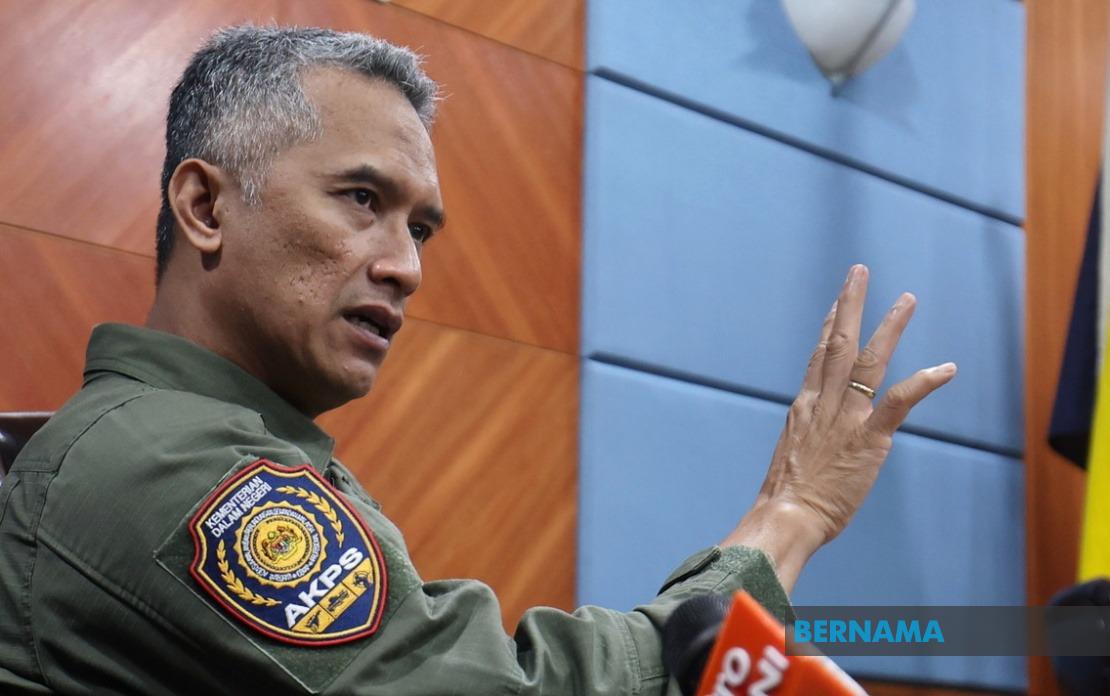
The Malaysian Border Control and Protection Agency (AKPS) is preparing for a significant surge in cross-border traffic this weekend as voters living and working in Singapore return home to cast their ballots in the 16th Johor state election on Saturday, July 11. The agency's director-general, Datuk Seri Mohd Shuhaily Mohd Zain, has announced that both the Sultan Iskandar Building (BSI) and Sultan Abu Bakar Complex (KSAB) will operate at maximum operational capacity, with enhanced infrastructure and personnel deployed to manage the anticipated influx of travellers across the Malaysia-Singapore border.
The scale of this mobilisation reflects the substantial electoral population concentrated in Singapore, where a significant proportion of Johor's workforce commutes or relocates for employment. Beginning Friday, AKPS will implement a comprehensive suite of measures designed to accelerate processing and prevent bottlenecks at the two principal land entry points serving the Johor Bahru region. At BSI, the agency will activate 38 dedicated inbound counters at the car zone alongside 35 electronic gates, two quick response code counters, and 18 manual inspection stations. The KSAB facility will operate 24 car zone counters, with between 18 and 24 combined electronic gates and manual counters handling bus traffic, allowing simultaneous processing across multiple transport modes.
The operational tempo will intensify as polling day approaches. Dedicated lanes will run continuously from midnight Friday through the entire Friday period, then restrict to specific hours—12:01 am to 6 pm on Saturday—when voter returns are anticipated to peak. This scheduling acknowledges the practical reality that most Johorean workers in Singapore follow daily commuting patterns and will accelerate their departure only as voting day draws near. The agency has configured its response to absorb traffic spikes during Friday afternoon and Saturday morning, the traditional rush periods when returning voters concentrate at the border.
Crucially, AKPS has prepared contingency infrastructure to deploy if demand exceeds baseline projections. Hybrid counters and contraflow lane configurations can activate during exceptional congestion, adding capacity through eight supplementary manual inspection points and six additional automated gates specifically at the BSI bus hall. If the passenger processing areas reach saturation, AKPS has earmarked the Golden Service counter zone at bus lanes to segregate traveller categories and distribute flows more efficiently. The agency's historical data demonstrates that while each passenger hall is engineered for approximately 1,500 simultaneous occupants, BSI has successfully processed around 5,500 people concurrently in previous peak periods, with inspection throughput reaching 6,400 individuals per hour across all operational counters.
Drawing on experience from the 2022 Johor state election, border planners anticipate only moderate growth in cross-border volumes rather than a dramatic surge. The explanation lies in demographic patterns: the bulk of Johorean residents working in Singapore are daily commuters who cross the border regularly, so voting day represents just one among many return journeys rather than a singular mass migration event. However, the concentrated timing of voter returns—compressed within a 24-hour window centred on Friday afternoon and Saturday morning—creates intensive pressure on infrastructure despite moderate net traffic increases. This distinction between daily volumes and peak-period concentration remains central to AKPS operational planning.
Coordination between Malaysian and Singaporean authorities has already commenced to synchronise border management on both sides. AKPS has conducted liaison sessions with Singapore's Immigration and Checkpoints Authority at the Woodlands Checkpoint, ensuring that immigration clearance procedures on the Malaysian and Singaporean sides operate harmoniously and maintain orderly processing flows. Additionally, AKPS is collaborating with domestic agencies including the Road Transport Department and the People's Volunteer Corps at KSAB to coordinate public and commercial bus movements, manage road congestion, and oversee passenger marshalling in the bus processing zones.
The agency has prioritised technical preparedness by deferring all scheduled system maintenance, software upgrades, and preventive hardware work to dates outside the July 10-11 window. This discipline reflects lessons learned from previous large-scale cross-border operations: infrastructure failures during peak periods can cascade through the entire checkpoint system, creating frustration and delays that diminish public confidence in electoral processes. By ensuring all technology is operational before the rush begins, AKPS reduces avoidable disruptions.
Cross-border traffic data provides context for understanding the electoral significance of this voter cohort. From January through May 2026, the BSI checkpoint processed between 300,000 and 350,000 traveller movements daily. Malaysians accounted for 67 per cent of this volume, Singaporeans approximately 29.5 per cent, with remaining traffic comprising other nationalities. These figures underscore Singapore's role as a major employment destination for Johor residents and explain why facilitating their return for voting constitutes a strategic priority for state electoral authorities.
The 16th Johor state election encompasses 172 candidates vying for 56 assembly seats, making this among the larger electoral exercises conducted in Malaysia's southern region in recent years. The scale of the contest and the geographical distribution of the electorate—with a material proportion residing across the border—necessitate sophisticated logistics planning to ensure all eligible voters can participate without encountering administrative barriers.
Beyond the immediate election context, AKPS officials have identified this exercise as a planning template for future operations at the Johor Bahru-Singapore Rapid Transit System Link, the rail-based cross-border transport corridor currently under development. When operational, the RTS Link is expected to become the preferred transport mode for many voters, potentially altering traffic patterns at traditional road checkpoints. The experiences and data generated during Saturday's election will inform design decisions and operational protocols for managing the RTS Link's anticipated voter flows in subsequent electoral cycles.
The public has been encouraged to plan journeys in advance and monitor official AKPS communications through the agency's Facebook pages for real-time updates on checkpoint conditions. This transparency serves both practical and democratic functions: it enables individual voters to optimise their travel timing and reduces information asymmetries that could otherwise generate anxiety or speculation about border delays.
For Malaysian readers, this mobilisation exemplifies how electoral administration intersects with cross-border infrastructure and public administration capacity. The coordination required to manage 56 simultaneous contests involving 172 candidates while accommodating voters scattered across an international boundary demonstrates the operational complexity underlying Malaysia's federal electoral system. The emphasis on technical preparation, inter-agency collaboration, and contingency planning reflects professionalisation within Malaysia's border management institutions—a positive signal for future large-scale logistical undertakings requiring coordinated response.

