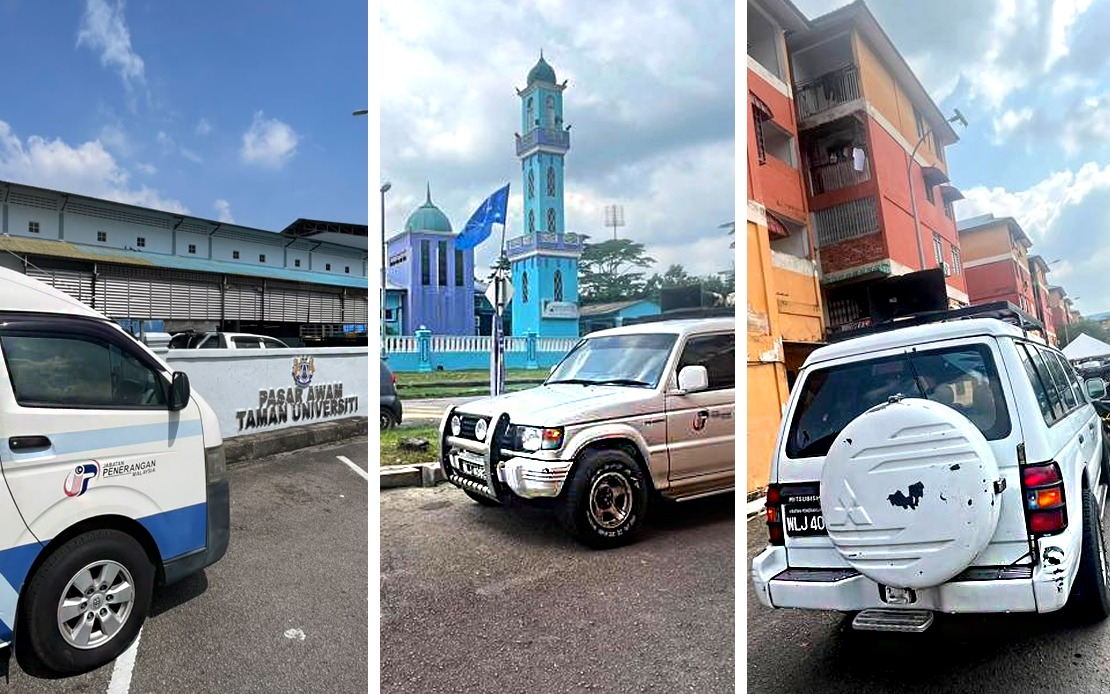
The Johor Department of Information has fully activated 26 Info On Wheels mobile units in a comprehensive campaign to drive voter turnout and disseminate official election information across the state ahead of Saturday's 16th Johor state election. According to Johor JAPEN director Mohd Rizal Hashim, this field-based initiative represents a proactive shift in how the department engages with the electorate, moving beyond the traditional waiting approach to instead reach citizens directly where they live and congregate.
The deployment spans all 10 districts and 56 state constituencies throughout Johor, ensuring that critical election-related guidance penetrates both densely urbanised centres and harder-to-reach communities. This comprehensive geographical coverage is particularly significant for a state the size of Johor, where population distribution is highly uneven and communication infrastructure varies considerably between major towns and outlying settlements. The decision to mobilise resources uniformly across such diverse terrain demonstrates a commitment to ensuring no voter segment is overlooked during the election period.
Mohd Rizal emphasised that the information blitz will intensify notably during the final three days before polling, with heightened announcement frequencies scheduled for morning and evening slots when commuter and household audiences are most receptive. These targeted timing windows reflect an understanding of Malaysian daily rhythms and when citizens are most likely to absorb public messages. The messaging will focus on practical voter logistics—checking registration status, understanding polling locations, and planning travel arrangements—removing administrative barriers that might otherwise discourage participation, particularly among first-time and elderly voters unfamiliar with electoral procedures.
Beyond logistics, the campaign addresses a growing challenge during election cycles: the rapid spread of unverified claims and inflammatory statements across social media and community networks. JAPEN personnel are conducting face-to-face advocacy programmes specifically designed to provide verified, authoritative information that can counter false narratives before they take root in communities. This personal engagement strategy recognises that in the Malaysian context, word-of-mouth communication and direct interaction often carry greater persuasive weight than broadcast announcements alone, particularly in rural and semi-urban areas where social trust networks are tightly knit.
The dual-pronged approach—simultaneously encouraging participation while combating misinformation—addresses two interconnected democratic challenges. Election fatigue and scepticism, often fuelled by unfounded claims about the electoral process itself, can suppress turnout. Conversely, uninformed voters making decisions based on false information undermine the integrity of electoral outcomes. By positioning JAPEN as a reliable, accessible source of truth, the initiative attempts to create conditions where voters can participate with confidence in the legitimacy of both the process and their own decision-making.
Mohd Rizal's framing of voting as not merely a constitutional right but a civic responsibility reflects an ongoing effort in Malaysian governance to elevate electoral participation beyond transactional politics. In this articulation, voting becomes a mechanism through which citizens collectively author their state's trajectory—determining which candidates and parties will shape economic policies, development priorities, and social direction for the next five-year term. This reframing aims to resonate with Johor voters, particularly younger and more cynical demographics, who might otherwise view elections as routine or disconnected from their daily concerns.
The specific targeting of Felda settlements and Orang Asli villages indicates particular attention to constituencies with historically variable turnout rates and sometimes limited access to mainstream information channels. These communities, facing distinct socioeconomic circumstances and geographical isolation in some cases, may receive less intensive attention from political campaigns centred on urban media and transport corridors. JAPEN's deliberate inclusion suggests recognition that meaningful electoral participation requires bridging information gaps that exist alongside wider development disparities.
From a Southeast Asian perspective, Johor's information mobilisation approach aligns with broader regional trends where governments increasingly invest in counter-disinformation strategies during electoral periods. Countries across ASEAN have grappled with how social media amplification of false claims affects electoral integrity, and various responses have emerged. Malaysia's approach—combining official information dissemination with community-level advocacy—sits between more aggressive digital regulation and lighter-touch approaches, attempting to win credibility through presence and direct engagement rather than restrictions alone.
The timing of this Johor initiative also carries implications for national politics. A state election that generates high, validated turnout and minimal election-period discord strengthens the democratic legitimacy of the winning administration and sends signals about electoral health to federal policymakers. Conversely, low participation or widespread misinformation-driven confusion could reflect deeper disengagement with electoral processes that might surface again in future national elections. For Malaysian political observers, Johor's voter mobilisation efforts merit close monitoring as a test case for what combination of accessibility, information quality, and civic messaging can shift participation patterns.
Mohd Rizal's explicit warning about vigilance against unverified social media content reflects the acknowledged reality that official campaigns cannot control the broader information environment. Even as JAPEN fields 26 units and trained personnel, competing narratives circulate through networks beyond government reach or response capacity. The advisory to voters essentially acknowledges this asymmetry while positioning individual discernment as a critical filter. This distributes responsibility for information quality away from institutions alone and toward citizens themselves—a pragmatic recognition of modern communication dynamics that simultaneously places burden on voters to navigate an increasingly complex information landscape.
The success of this campaign will ultimately be measured in Saturday's turnout figures and, more qualitatively, in whether Johor voters report feeling adequately informed and confident in the electoral process. The 26 mobile units represent a tangible resource commitment, but their effectiveness depends on receptiveness in communities and the quality of information delivery by JAPEN personnel. As Malaysia continues to refine how it conducts elections in an era of rapid information circulation and declining trust in institutions, the Johor model offers data points about whether field-based, relationship-driven information strategies can meaningfully shift voter behaviour and electoral outcomes.

