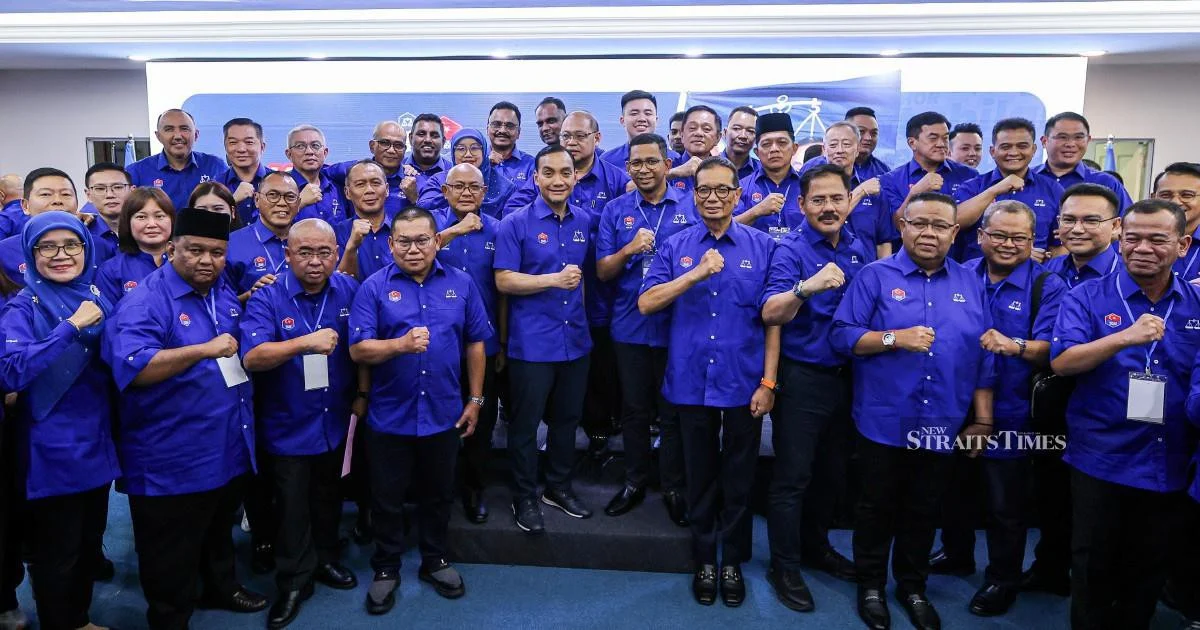
Newly selected candidates from component parties of the Barisan Nasional in Johor have thrown their weight behind the coalition's bid to secure a commanding victory in the 16th state election scheduled for July 11, marking a critical turning point in the peninsular political landscape.
The infusion of new blood into BN's campaign machinery reflects the coalition's recognition that electoral renewal often requires fresh perspectives and untested candidates who can connect with younger voters and address emerging community concerns. These newcomers, drawn from Johor's corporate, professional, and grassroots sectors, bring diverse expertise spanning business management, legal practice, and community development—assets the coalition hopes will resonate beyond traditional support bases.
For Johor specifically, the electoral stakes extend beyond state administration. The southern state represents a crucial political laboratory where BN's capacity to govern effectively and deliver tangible development projects directly influences voter confidence in the coalition's broader capabilities nationwide. A resounding victory would vindicate BN's strategy of gradual political rehabilitation following the dramatic 2018 federal election defeat, whereas a disappointing result could undermine confidence among wavering coalition supporters.
The participation of component party members from multiple ethnic communities signals BN's attempt to project unity and inclusive governance. Johor's demographic composition, with significant Malay, Chinese, and Indian constituencies, demands that the coalition present candidates capable of addressing sectional interests while maintaining overall policy coherence. New faces often carry fewer political baggage and historical controversies than established figures, potentially offering electoral advantages in seats where voters have grown weary of incumbent representatives.
July's election timing carries implications for federal political dynamics. A strong BN performance in Johor could facilitate greater organisational cohesion within the coalition's federal apparatus, particularly given the complex power-sharing arrangements negotiated after the 2022 general election. Conversely, modest gains might intensify internal pressures within BN regarding candidate selection processes and campaign effectiveness, potentially generating friction among component parties over seat allocations in future elections.
The campaign intensity that these new candidates have pledged will shape electoral discourse across multiple policy domains. Issues spanning local infrastructure development, educational advancement, healthcare accessibility, and economic opportunity creation will likely feature prominently in grassroots engagement. New candidates frequently emphasise direct constituent feedback mechanisms and responsive governance models that distinguish their messaging from establishment political rhetoric.
Regional economic considerations cannot be overlooked. Johor's significance as a manufacturing hub, port authority, and tourism destination means that state-level policies on industrial development, environmental management, and labour standards carry consequences extending beyond provincial boundaries. Candidates addressing these structural economic issues will attract not merely protest voters but also result-oriented pragmatists seeking competent administration.
The opposition landscape in Johor has evolved considerably since previous state elections. Whether new BN candidates can effectively counter opposition strategies regarding governance track records, policy implementation, and social equity issues remains a central electoral variable. Campaign messaging that goes beyond party loyalty appeals to demonstrate concrete problem-solving approaches will likely determine candidate performance in marginal constituencies.
National political observers will scrutinise these July 11 results for broader indicators regarding voter sentiment toward BN's federal governance, economic management, and inter-party coordination. Johor's electoral outcome may signal whether the coalition has successfully repositioned itself as a viable alternative to competing political forces or whether electoral consolidation remains incomplete across key population segments.
The organisational capacity of BN's component parties to effectively coordinate campaign activities, manage resources, and mobilise supporters throughout Johor's diverse districts will ultimately determine whether pledges of aggressive electoral effort translate into actual polling success. New candidates operating within established party machinery structures must balance autonomy aspirations with requirements for coherent coalition messaging and strategic vote concentration in winnable seats.
For Malaysian politics broadly, Johor's state election represents more than a routine provincial contest. It embodies the coalition's broader renewal strategy, tests electoral resilience among traditionally loyal communities, and provides measurable indicators regarding voter appetite for political change versus institutional continuity. The determination expressed by BN's new candidates will undergo rigorous testing across constituencies encompassing rural constituencies, suburban developments, and urban commercial centres.
As campaign activities intensify over coming weeks, these fresh faces will encounter grassroots realities that academic political analysis cannot fully capture—the granular challenges of constituency management, community relationship-building, and persuasive communication that separate electoral rhetoric from practical campaign execution. Their capacity to translate organisational pledges into genuine voter engagement will ultimately determine whether Johor delivers the coalition the resounding endorsement that BN strategists anticipate.

