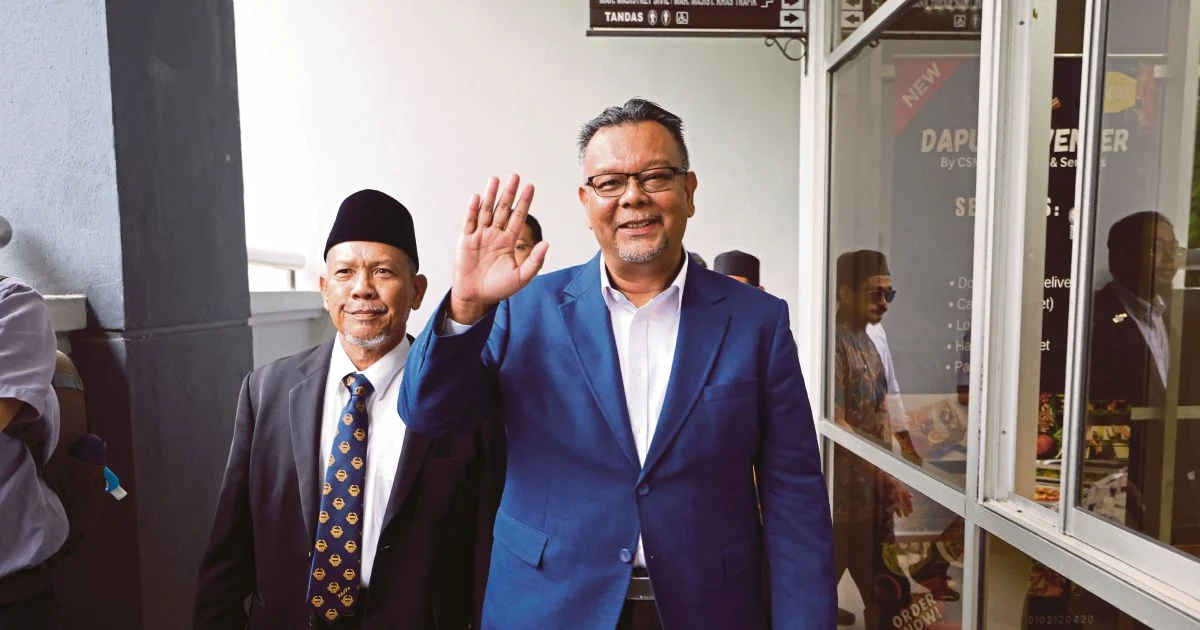
Dr Haim Hilman Abdullah, who represents the Jitra constituency at the Kedah state assembly, appeared in Seremban's magistrate court on Tuesday to respond to serious charges centred on statements he allegedly made. The legislator firmly rejected the accusations against him, entering a not guilty plea at the outset of proceedings.
The specific charge relates to making statements that had the potential to cause public alarm, a legal provision that reflects Malaysian authorities' efforts to maintain social stability and public order. Such charges typically fall under legislation designed to prevent the spread of inflammatory remarks that could trigger public disturbance or unrest.
The case is particularly noteworthy given Dr Haim Hilman's position within the Kedah state assembly, where he serves as an elected representative. As a lawmaker, any allegations of improper conduct or speech carry heightened significance, as legislators are expected to exercise restraint and responsibility in their public communications.
Seremban's magistrate court is handling the proceedings, which places the matter under the Federal Territories' judicial jurisdiction rather than Kedah's courts. This geographic separation between the assemblyman's constituency and the venue of his trial adds an administrative dimension to the case, though such arrangements are standard in Malaysian legal procedure when charges are filed in different jurisdictions.
The specific nature of the statements that prompted the charge has not been detailed in court documents made available publicly. Understanding the context of the alleged remarks would be crucial to evaluating the merits of the prosecution's position and the defence's counterarguments. Public statements by elected officials frequently traverse sensitive territory, requiring careful calibration between free speech rights and legal obligations to avoid causing public disturbance.
Malaysia's legal framework contains several provisions addressing public statements, particularly those relating to national harmony, public order, and the prevention of alarm or panic. These laws reflect the government's approach to balancing freedom of expression with the maintenance of social cohesion, a perpetually contested terrain in any functioning democracy.
The not guilty plea entered by Dr Haim Hilman indicates that his legal team intends to mount a substantive defence against the allegations, rather than accepting the charges through a guilty plea. This suggests confidence in their ability to challenge the prosecution's evidence and legal arguments, or at minimum a determination to contest the matter through the judicial process.
For Jitra constituents, the unfolding legal proceedings may raise questions about their representative's conduct and the circumstances that prompted the charges. The case could potentially impact public perception of Dr Haim Hilman's standing within his constituency, though the outcome of court proceedings ultimately determines legal liability.
The broader implications extend to considerations about the scope of permissible speech for elected officials in Malaysia. While legislators enjoy certain parliamentary privileges when speaking within official chambers, statements made outside parliament remain subject to general criminal law. This distinction between parliamentary and non-parliamentary speech has been tested repeatedly in Malaysian courts.
Future court hearings will presumably address the precise statements in question, the evidence supporting the charge, and the defence's counter-arguments. These proceedings will likely involve examination of context, intent, and the actual or potential impact of the remarks on public order and social stability.
The case also reflects ongoing tensions within Malaysia's political landscape, where statements by opposition or ruling coalition figures occasionally attract legal scrutiny. Such cases often generate intense scrutiny from political observers and civil society organisations concerned with freedom of expression protections.
As the case progresses through the judicial system, it will contribute to evolving jurisprudence regarding public statements and their legal consequences. The outcome may provide clarity or further complicate the boundaries between protected expression and prohibited speech that endangers public tranquility. Legal observers across Southeast Asia frequently monitor such cases as indicators of how individual jurisdictions navigate this delicate balance.

