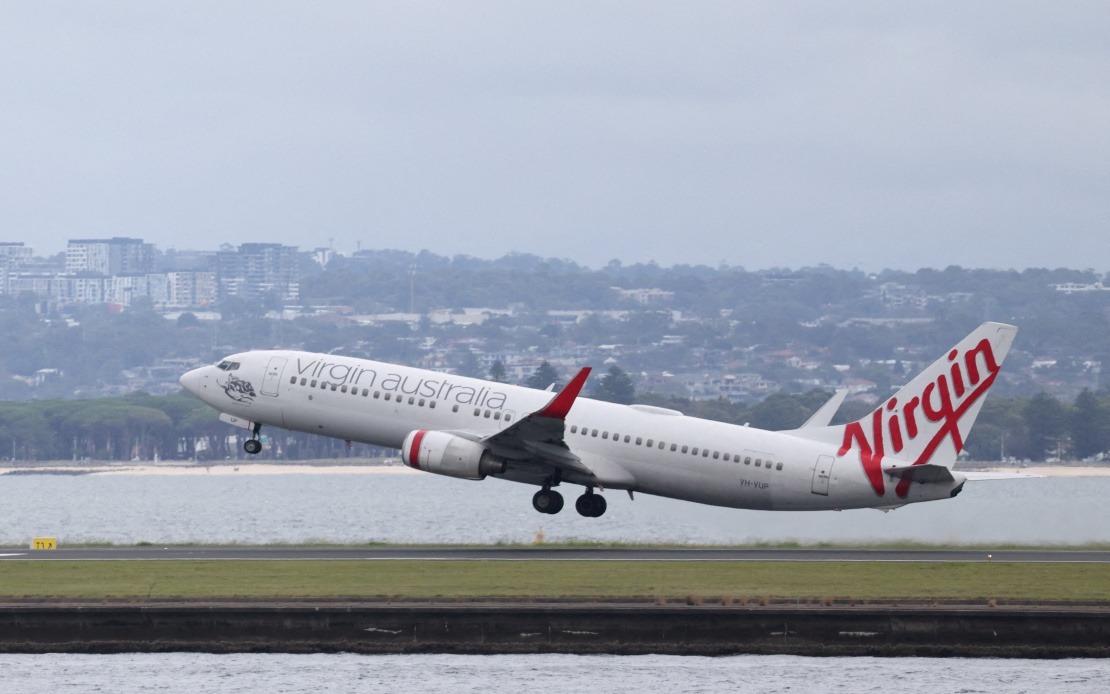
A crew member sustained injuries during a hazardous near-miss incident involving two aircraft at Sydney Airport on Sunday morning, highlighting emerging safety concerns at one of Australia's busiest aviation hubs. The incident unfolded when Jetstar flight JQ402, bound for the Gold Coast, was positioning on the runway around 7 am local time when its pilots executed an emergency braking manoeuvre to avert a collision with an empty Qatar Airways Boeing 777 being repositioned by ground tow equipment. The quick actions of the Jetstar flight crew prevented what could have developed into a serious aviation accident, though the sudden deceleration resulted in injury to at least one cabin attendant who required immediate medical attention from ambulance paramedics attending the scene.
Jetstar Airways, which operates as a wholly-owned subsidiary of Australia's Qantas Group and functions as a low-cost carrier serving regional and international routes, has initiated a comprehensive investigation into the circumstances surrounding the event. A company spokesperson indicated that the Jetstar aircraft had been adhering to instructions issued by the airport's air traffic control authority when the unexpected proximity of the second aircraft necessitated emergency braking action. The statement underscores the critical role of precision coordination between multiple aircraft, ground vehicles, and air traffic controllers during the complex choreography of runway operations at major metropolitan airports.
The incident carries particular significance given the timing and broader context of operational strain within Australia's aviation infrastructure. Just two days prior to Sunday's near-miss, Sydney Airport experienced unprecedented disruptions affecting more than 250 flights across Friday and Saturday. These delays stemmed directly from staffing shortages affecting Airservices Australia, the government authority responsible for air traffic control operations across Australia's principal airports, including Sydney. The understaffing situation created bottlenecks in traffic flow management and potentially compressed spacing between aircraft movements, factors that could elevate collision risks during already demanding operational periods.
For Malaysian and Southeast Asian aviation professionals and frequent travellers, the Sydney Airport incident serves as a cautionary reminder of infrastructure pressures affecting major regional hubs. Australia's aviation system, while generally maintaining high safety standards, nonetheless faces operational challenges that parallel those affecting airports across Asia-Pacific. The incident demonstrates how cascading effects from workforce shortages in critical technical roles can eventually manifest as acute safety risks, particularly during recovery periods following extended disruptions.
The Queensland-bound Jetstar service represents the type of regional connectivity that characterizes modern Australian aviation, with low-cost carriers providing essential links between major cities and regional economies. That such a routine scheduled service encountered a near-catastrophic situation emphasises that safety hazards can emerge regardless of an airline's operational focus or market segment. Jetstar's track record as a safety-conscious operator under Qantas oversight provided some assurance that proper procedures remained in place, yet the incident still occurred despite adherence to air traffic control guidance.
The involvement of a Qatar Airways aircraft, even while empty and being towed, reflects the increasingly complex international movements characterising Sydney Airport's operations. The Middle Eastern carrier maintains significant presence at the airport as part of its extensive network throughout Oceania and Asia. That aircraft repositioning operations involving international carriers can create collision risks suggests systemic vulnerabilities in how ground movements are coordinated and monitored during periods of operational stress.
Airservices Australia's staffing crisis represents a critical vulnerability for Australia's aviation sector with implications extending throughout the region. Air traffic controllers require extensive training, certification, and ongoing professional development, creating barriers to rapid workforce expansion. When existing personnel face burnout from overwork during understaffed periods, the quality of coordination necessarily diminishes, creating precisely the conditions under which incidents like Sunday's near-miss become increasingly probable. The organisation's inability to maintain adequate staffing levels during peak travel periods raises questions about resourcing, workplace conditions, and recruitment strategy.
No passengers were injured in the Sunday incident, a fortunate outcome given the potential severity of a runway collision. However, the injury sustained by Jetstar's cabin crew member indicates that even near-misses generate real consequences for airline employees. The psychological impact on crew members who experience emergency situations should not be minimised, even when physical harm remains limited. First responders and emergency medical services also activated their protocols, consuming resources that might otherwise have been deployed elsewhere.
The investigation now underway will determine the precise sequence of events, communication failures if any occurred, and specific decisions made by both air traffic control and flight crews. Such investigations typically produce detailed findings that influence procedural adjustments not only for the airports and airlines involved but often propagate throughout the industry as shared learning. Malaysian airports and airlines monitor such incident investigations closely, as outcomes frequently inform updates to operational manuals and training programmes affecting the entire region's aviation ecosystem.

