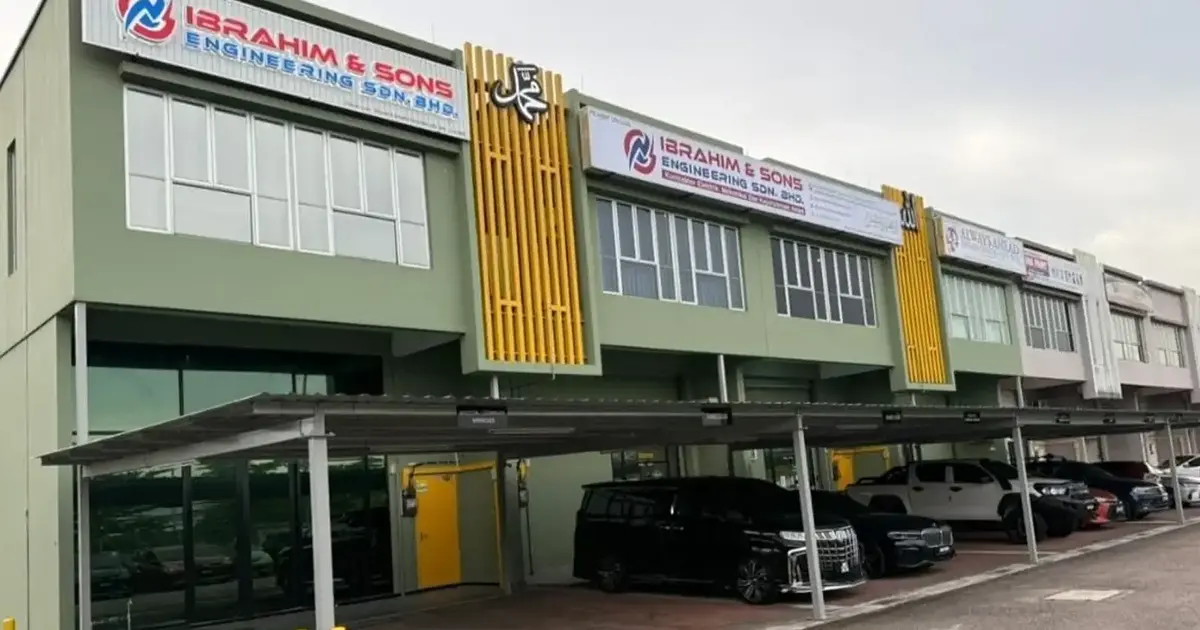
Ibrahim & Sons Engineering Sdn Bhd, a Johor Bahru-headquartered firm, has escalated an ongoing dispute with the Steel Hawk group by filing defamation charges in response to what the company characterises as a deliberate and organised reputational assault. The counter-suit represents a significant escalation in what appears to be a fractious separation between the two formerly aligned entities, and highlights the growing trend of major commercial disputes spilling into the public arena through coordinated media campaigns.
At the heart of the dispute lies Ibrahim & Sons Engineering's assertion that Steel Hawk's actions constitute far more than ordinary business disagreements. Rather, the company contends that the group has engaged in what amounts to a pre-calculated communications strategy designed specifically to undermine the credibility of Ibrahim & Sons Engineering and its leadership. The filing suggests that multiple public statements, media engagements, and perhaps social media activity were orchestrated with the deliberate objective of portraying the company and its directorate as engaged in fraudulent conduct.
The implications of such allegations carry weight in Malaysia's business environment, where corporate reputation remains intimately tied to credit access, investor confidence, and operational viability. When a company's leaders are publicly accused of dishonesty without substantiation, the cascading effects can prove devastating—from supplier relationships deteriorating to banking institutions reviewing credit facilities. Ibrahim & Sons Engineering's decision to pursue a formal defamation claim signals that the company views the damage inflicted as substantial enough to warrant expensive and protracted legal proceedings.
Defamation cases in Malaysia operate under specific legal frameworks that require plaintiffs to demonstrate that false statements were made, that these statements were communicated to third parties, and that measurable harm resulted. The burden of proof, while resting initially with the plaintiff, can shift depending on whether Steel Hawk can establish truth as a defence to the allegations. This procedural reality means the coming legal process will likely expose the operational and financial details of both parties' dealings, potentially affecting business partners and stakeholders monitoring the situation.
The Steel Hawk group's exact response to the counter-suit remains to be determined, but such disputes typically involve both parties hardening their respective positions. In commercial litigation of this nature, what began as a partnership dissolution often transforms into a broader conflict touching on questions of contract interpretation, financial accountability, and personal conduct. The involvement of multiple individuals in leadership roles on both sides compounds the complexity, as personal liability questions emerge alongside corporate ones.
For Malaysian business practitioners and those navigating the regional commercial landscape, this dispute underscores an important lesson about partnership governance and exit strategies. Many firms in Southeast Asia enter collaborations with limited formal dispute resolution mechanisms or clearly delineated separation protocols. When relationships deteriorate, the absence of such frameworks often leads to exactly these scenarios—escalating public accusations and expensive litigation that consumes management attention and resources that might otherwise fuel growth.
The defamation counter-suit also reflects a shifting dynamic in how Malaysian companies respond to reputation attacks. Rather than maintaining silence or pursuing purely private settlements, Ibrahim & Sons Engineering has chosen to take its grievances into the court system, effectively inviting public scrutiny of both parties' conduct. This approach carries both risk and potential benefit—while litigation offers the prospect of vindicating the company's name through judicial finding, it also prolongs the controversy and ensures sustained media attention on the underlying disputes.
From an investor and creditor perspective, disputes of this magnitude raise legitimate concerns about corporate governance and management stability. Financial institutions and potential business partners evaluating whether to engage with either party must now contend with legal uncertainty and reputational questions that extend well beyond the immediate dispute resolution. In Malaysia's interconnected business community, particularly within concentrated sectors like engineering and manufacturing, such conflicts can ripple across multiple stakeholder networks.
The timing and sequencing of claims between Steel Hawk and Ibrahim & Sons Engineering will likely prove critical to how courts assess the allegations. If Steel Hawk initiated public accusations first, Ibrahim & Sons Engineering may face fewer obstacles in establishing that any counter-statements constituted legitimate self-defence rather than independent defamatory conduct. Conversely, if both parties engaged in simultaneous or escalating media engagement, courts may view both with greater scrutiny regarding proportionality and good faith.
Beyond the immediate legal contest, this matter carries broader implications for how Malaysian courts handle commercial disputes that intersect with public reputation. The judiciary's eventual determination regarding defamation in commercial contexts may influence how other companies approach similar situations, potentially encouraging either greater restraint in public statements or, conversely, more aggressive defensive postures when reputational attacks emerge.
As the case progresses through Malaysia's court system, stakeholders including employees, suppliers, customers, and investors of both entities will monitor developments closely. The resolution will likely establish important precedent regarding the boundaries between legitimate business criticism and defamatory falsehood within the Malaysian commercial sector.

