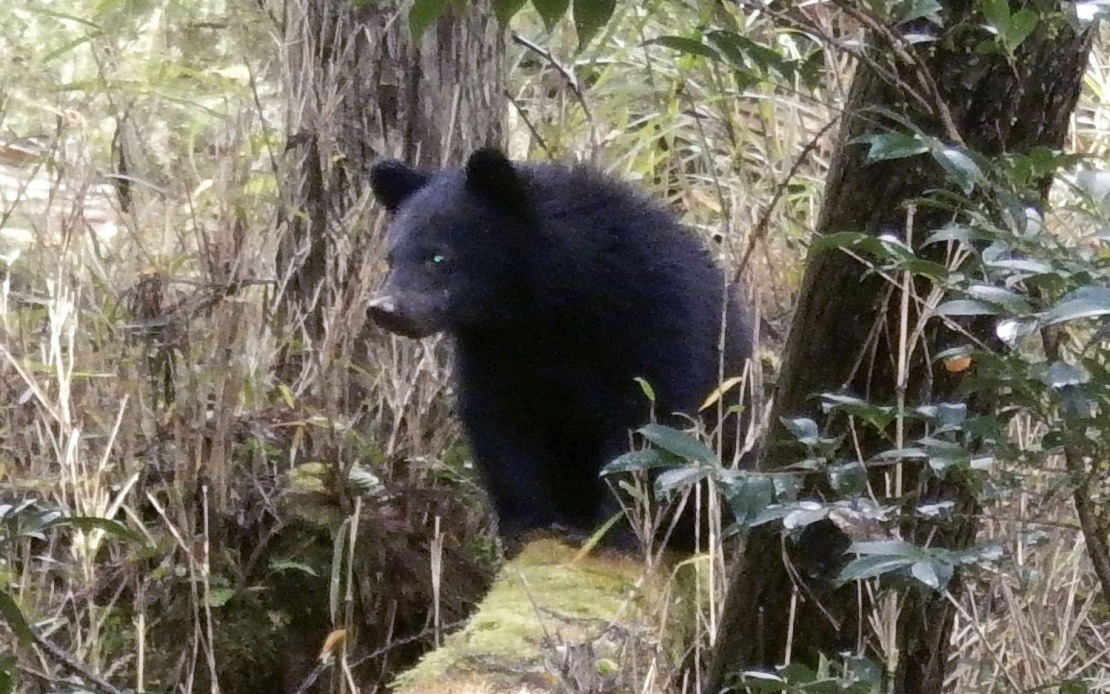
Japan's local government authorities are struggling to manage a dual crisis: a historic surge in encounters with bears and an escalating tide of hostile public complaints that has compromised the ability of municipal staff to perform their duties effectively. According to findings released by Japan's Ministry of Internal Affairs and Communications, over 40 per cent of local governments responding to the wildlife emergency have experienced abusive or extraordinarily demanding contact from members of the public, reflecting deep divisions within Japanese society about how authorities should respond to the animal threat.
The scale of the challenge became apparent through a survey of 40 prefectural and municipal governments conducted over the past year starting in July. Of these jurisdictions, 17 reported that managing complaints related to bear incidents had materially disrupted their regular operations. The findings paint a picture of administrative agencies caught between competing demands from citizens who hold radically different views about wildlife management and public safety. Some local governments have explicitly requested that the central government develop comprehensive response guidelines to help them navigate both the wildlife incidents and the public backlash that follows.
The nature and intensity of complaints reveals the emotional stakes involved in the issue. Ten of the 17 local governments reported fielding complaints that demanded extended engagement, including phone calls lasting more than an hour. Five additional municipalities reported being overwhelmed through digital channels, with websites and email systems saturated by complaints. Individual cases illustrate the severity of the harassment: some members of the public have demanded that authorities "Don't you ever kill bears," while others have repeatedly phoned demanding to speak directly with the governor. After one municipality announced it had captured and released a bear, it received contradictory complaints asking "Why didn't you kill it?" This polarisation reveals that authorities face impossible expectations, with segments of the public demanding both stricter culling and greater wildlife protection simultaneously.
The situation has escalated to concerning levels of personal harassment and intimidation of frontline staff. In one documented case, a local government employee tasked with handling bear-related issues became the target of a wildlife advocate who photographed the official without permission and subsequently shared the images online. Such incidents underscore how the abstract policy debate over wildlife management has become personalised, with individual government workers becoming focal points for public anger and activist campaigns. The privacy violations and online exposure represent a troubling trend of harassment tactics being deployed against officials performing their assigned duties.
The underlying cause of this administrative crisis is the unprecedented explosion in bear encounters across Japan. Government data revealed that Japan experienced more than 50,000 bear encounters in the 12 months through March, representing a record high and doubling the number recorded in the previous year. This surge has created genuine public safety concerns in areas where bears increasingly venture into residential zones, schools, and populated areas. The rapid escalation has outpaced the capacity of local governments to respond systematically, leaving communities anxious and officials overwhelmed.
This situation carries significant implications for other developed nations facing similar wildlife management challenges. Southeast Asian countries grappling with human-wildlife conflict, including Malaysia with its own issues concerning elephants, tigers, and other large fauna in proximity to human settlements, can observe how even a wealthy, technologically advanced nation like Japan struggles to balance ecological concerns with public safety while managing public expectations. The Japanese case demonstrates that wildlife management is not purely a technical or administrative problem but fundamentally a political and social challenge requiring transparent communication and clear policy guidance.
A Ministry of Internal Affairs and Communications official acknowledged the problem in understated terms, observing that "measures are needed to reduce the burden on frontline staff." This recognition suggests that the central government is beginning to appreciate that local authorities cannot effectively address wildlife incidents while simultaneously absorbing intense public criticism and harassment. The call for response guidelines from affected municipalities indicates growing recognition that consistent, publicly communicated policies would reduce confusion and lower emotional temperature surrounding individual incidents.
The polarisation evident in public responses to bear management reflects broader tensions in modern Japan regarding environmental values and risk tolerance. Some segments of society view bears as important wildlife requiring protection and coexistence strategies, while others prioritise human safety and see culling as a necessary response to threats. Without clear central direction, local officials become lightning rods absorbing public frustration that properly belongs in the realm of national policy debate. The harassment and burnout of local government workers represents a hidden cost of this policy vacuum.
Moving forward, Japan's central government faces pressure to develop and communicate clear criteria for when bears should be captured versus killed, how residents should report encounters, and what compensation or support is available to affected communities. Such guidelines would not eliminate disagreement but could establish a framework that reduces the sense of arbitrary decision-making that fuels complaints. The fact that local authorities have specifically requested this guidance suggests that municipalities recognise their current ad-hoc responses are perceived as inconsistent and are therefore driving backlash.
The survey results also underscore the importance of protecting civil servants from harassment and intimidation when they implement government policy. Establishing protocols that separate policy criticism from personal attacks on individual officials would help ensure that the bear management challenge does not drive experienced staff away from public service. As other nations experience escalating human-wildlife conflicts in the context of environmental change and habitat loss, the Japanese experience offers a cautionary lesson about the governance challenges that accompany wildlife crises.

