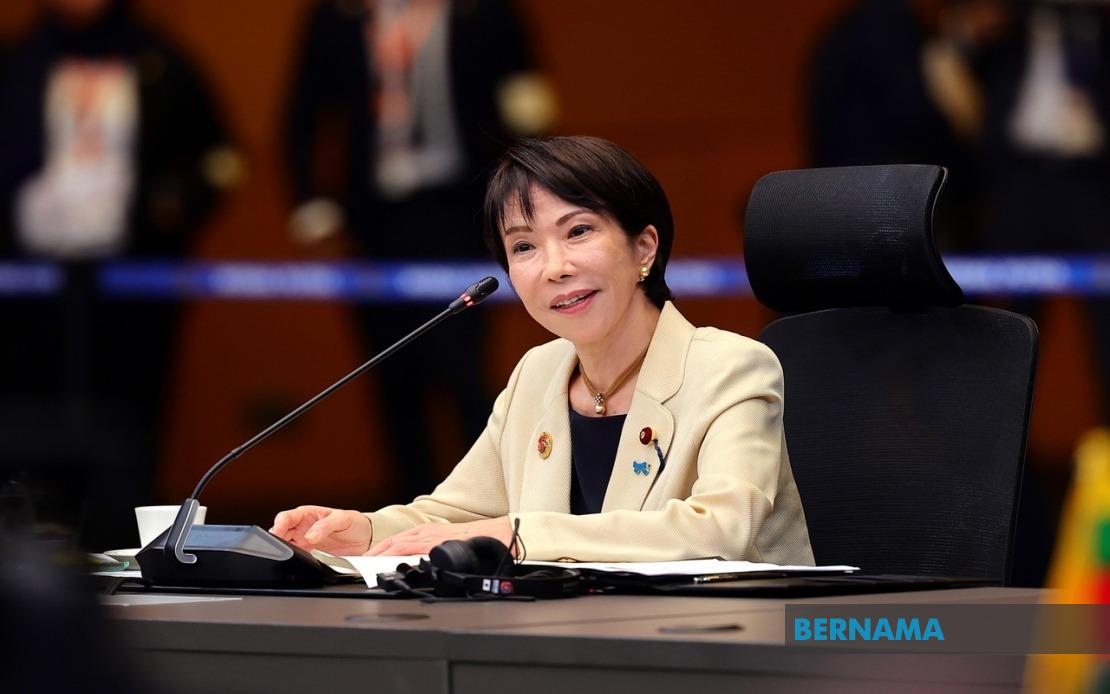
Japanese Prime Minister Sanae Takaichi has pressed for the restoration of free and safe maritime transit through the Strait of Hormuz in a direct phone conversation with Oman's Sultan Haitham bin Tariq al-Said on Monday. The call underscores Tokyo's growing concern about the stability of one of the world's most critical shipping corridors at a time when diplomatic negotiations between Washington and Tehran show little sign of progress.
The timing of Japan's intervention reflects the nation's acute dependence on secure energy supplies routed through the narrow waterway between Iran and Oman. As a resource-poor island nation heavily reliant on petroleum imports, Japan has long viewed the Strait of Hormuz as essential infrastructure for its economic security. Any sustained disruption to shipping lanes could have cascading effects on Japan's industrial production and consumer prices, making maritime stability a matter of direct national interest rather than merely diplomatic concern.
According to Kyodo News, Oman is actively engaged in mediation efforts with Iran, particularly regarding the preservation and normalisation of shipping routes through the strategic passage. Oman's unique position as a neighbour to both Iran and the Gulf states, combined with its historical role as a neutral broker in regional disputes, has established it as a credible intermediary in these sensitive negotiations. The sultanate's willingness to engage with Tehran while maintaining cordial ties with other maritime users positions it as a potential bridge across the current geopolitical impasse.
In responding to Takaichi's appeal, Sultan Haitham conveyed that Oman intends to engage constructively with all nations dependent on the Hormuz shipping lanes and will take their perspectives into account when formulating policy positions. This measured response suggests Oman recognises the need to balance its relationship with Iran against the legitimate maritime interests of numerous trading partners whose economies depend on uninterrupted passage through the strait. The sultan's commitment to consultation indicates Oman's diplomatic sophistication in managing competing pressures.
For Southeast Asian nations like Malaysia, Singapore, and Indonesia, the implications of potential disruptions to Hormuz traffic extend far beyond the Middle East. The region functions as a critical transshipment hub for global energy and goods moving between Europe, the Middle East, and Asia-Pacific markets. A sustained blockade or security crisis in the Strait of Hormuz would immediately raise shipping insurance premiums, extend delivery times, and force regional economies to absorb higher transportation costs. Singapore's Strait of Malacca, through which much of this rerouted traffic would pass, could become even more congested and strategically consequential.
Japan's diplomatic initiative also reflects broader concerns within Northeast Asia about the sustainability of existing international frameworks governing maritime commerce. The collapse of the Joint Comprehensive Plan of Action (JCPOA) between Iran and world powers has created a vacuum of structured diplomatic engagement, leaving ad hoc arrangements and individual government contacts as the primary mechanisms for managing tensions. By engaging Oman directly, Tokyo is attempting to shore up informal channels that might prevent escalation before more formal diplomatic structures can be rebuilt.
The stalled US-Iranian negotiations represent a fundamental obstacle to regional stability, as neither side appears willing to make significant concessions. Japan, as a country with substantial historical and trading ties to both the United States and countries across the Middle East, faces pressure to maintain constructive relationships while advocating for de-escalation. Takaichi's conversation with Sultan Haitham represents an attempt to reinforce the mediating role of neutral actors who might encourage all sides toward compromise.
Oman's historic record as a peacemaker in regional conflicts provides some basis for optimism. The sultanate has previously facilitated secret talks between adversaries and maintained diplomatic relations across ideological divides. However, the current geopolitical climate presents heightened challenges, with multiple regional and international actors holding stakes in the outcome and fewer shared incentives for restraint than existed in previous eras.
The practical implications of continued uncertainty regarding Hormuz passage extend to supply chain planning across Asia. Manufacturing sectors, energy importers, and shipping companies throughout Southeast Asia and beyond must factor in risk premiums and contingency planning when Hormuz remains a flashpoint. Long-term investment decisions in energy infrastructure become complicated when a single strategic chokepoint remains politicised and potentially unstable. Japan's proactive engagement with Oman suggests Tokyo recognises that waiting for formal diplomatic breakthroughs may be insufficient, necessitating parallel efforts to strengthen informal stabilising mechanisms.
Moving forward, the success of Oman's mediation efforts and the effectiveness of diplomatic outreach from nations like Japan will largely depend on whether Iran and the United States can identify sufficient common ground to resume substantive negotiations. Without movement on the fundamental issues dividing them, even well-intentioned efforts to preserve shipping security may prove insufficient to maintain stability. For Malaysia and other regional economies, continued vigilance regarding developments in the Strait of Hormuz remains essential to long-term economic planning and security strategy.

