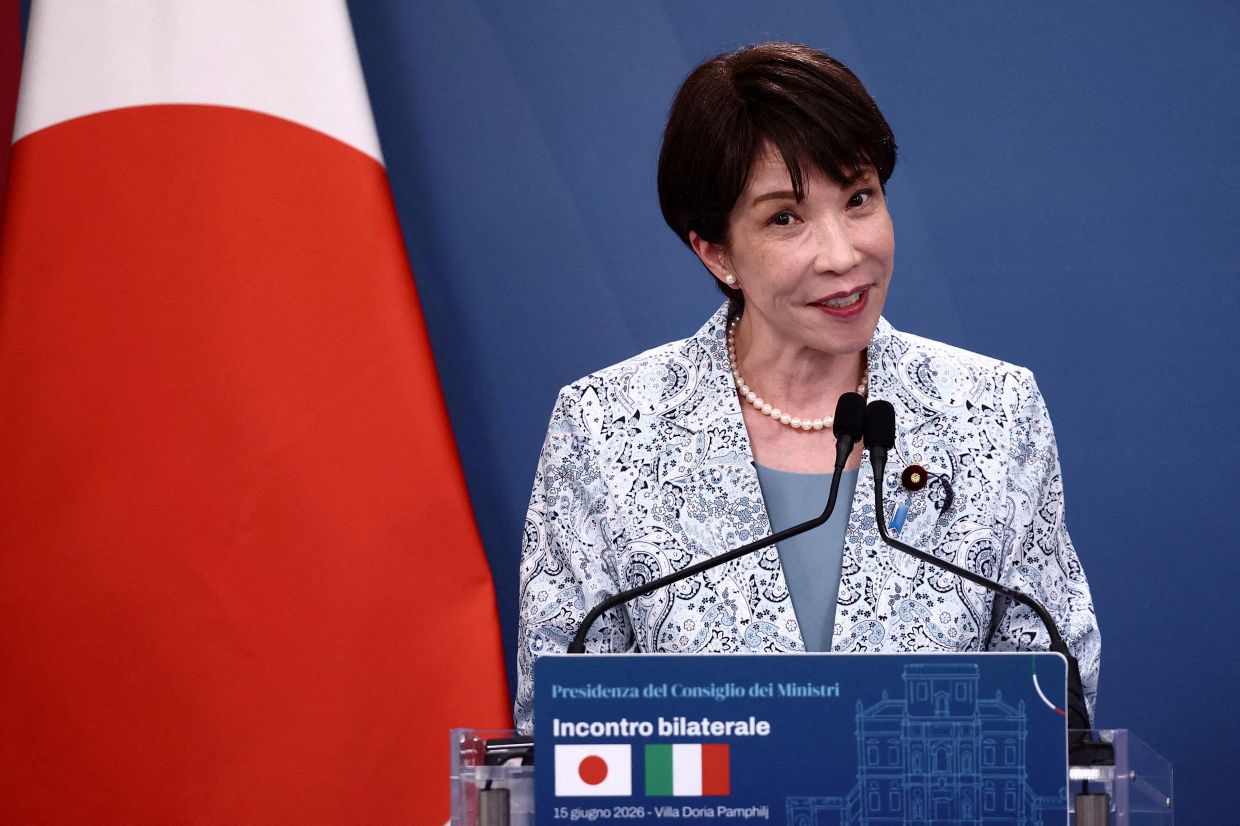
Prime Minister Sanae Takaichi's conservative administration in Japan has crossed an important threshold, with public backing slipping below the 50 per cent mark for the first time since she assumed office in October. The latest Jiji Press survey, released on Thursday (July 16), recorded her cabinet's approval at 49 per cent, signalling a shift in the political mood just months after she had consolidated her position at the helm of government.
The erosion of support proves particularly acute among Japan's older demographic cohorts, a traditionally influential voting bloc. Voters aged 60 and above, who represented some of Takaichi's strongest backers in preceding months, have substantially withdrawn their backing. Support among this age group plummeted from 63.7 per cent last month to 39.9 per cent, representing a dramatic 23.8 percentage point collapse in a single month and suggesting significant discontent has crystallised among this constituency.
Takaichi, who made history as Japan's first woman prime minister, still commands respect on personal grounds. Among those who continue to back her administration, approval is anchored in perceptions of her leadership qualities and trustworthiness as an individual. However, these personal attributes have become insufficient to counterbalance mounting concerns about her government's direction. Respondents citing reasons for disapproval point to abstract but consequential critiques: widespread sentiment that "cannot hope for much" from her administration, coupled with specific grievances about "poor policies" and their perceived inadequacy in addressing pressing national concerns.
The contrast with her position earlier this year underscores how quickly political fortunes can shift in Japan's volatile leadership environment. In February, Takaichi orchestrated a decisive victory in lower house snap elections, solidifying her mandate and her authority within the governing Liberal Democratic Party. That electoral triumph had been substantially powered by her appeal to younger Japanese voters, who were drawn to her diplomatic sophistication, personal relatability, and the sense that her leadership represented meaningful change from the established order. Her ascent appeared to signal Japan's electorate embracing a new generation of political leadership.
Yet the trajectory since February has been complicated by a series of policy decisions and international tensions that have chipped away at her political capital. Most significantly, Takaichi's remarks in November suggesting that Tokyo might resort to military intervention should Taiwan face attack have reverberated through Japan's relationship with China. Beijing, which asserts sovereignty over Taiwan, interpreted such statements as a provocative shift in Japan's strategic posture, and the diplomatic temperature between the two nations has correspondingly cooled. This pronouncement forced Japan to navigate delicate geopolitical terrain at a moment when regional stability remains precarious.
Domestically, Takaichi has also encountered resistance to her cultural agenda. Earlier this month, nearly 150 Japanese academics submitted a formal petition to lawmakers expressing their opposition to her legislative initiative that would criminalise the desecration of Japan's national flag. This move, framed by supporters as defending national symbols and pride, has provoked concern among intellectuals and civil society figures who view such legislation as problematic restrictions on freedom of expression. The intellectual community's organised pushback has amplified public questioning about her broader policy intentions.
One area where Takaichi can claim tangible achievement is in the economic sphere. The recent moderation in inflation rates represents a meaningful policy success, particularly given the historical context. Price pressures that had accelerated sharply under her two immediate predecessors contributed materially to their political downfalls and forced their departures from office in rapid succession. By contrast, Takaichi's period in office has witnessed a deceleration of inflationary pressures, providing some economic relief to Japanese households and potentially preventing the erosion of purchasing power that had plagued her predecessors.
The timing of this approval decline carries significance for the regional and global implications of Japanese governance. As a major democratic power in East Asia and a crucial security partner for Western nations, Japan's internal political stability and the coherence of its leadership matter beyond its borders. Takaichi's weakening position may signal constraints on her ability to pursue ambitious policy initiatives or to sustain controversial positions, including on matters affecting regional security architecture and Japan's balancing act between China and its Western allies.
For Malaysian and Southeast Asian observers, Takaichi's declining approval warrants close attention. Japan remains a significant economic partner and security presence throughout the region, and shifts in Tokyo's domestic political dynamics can ripple through regional diplomacy and strategic calculations. A weakened prime minister facing public scepticism may have reduced political space to pursue initiatives in the region or to maintain previous levels of engagement on issues ranging from trade arrangements to security cooperation.

