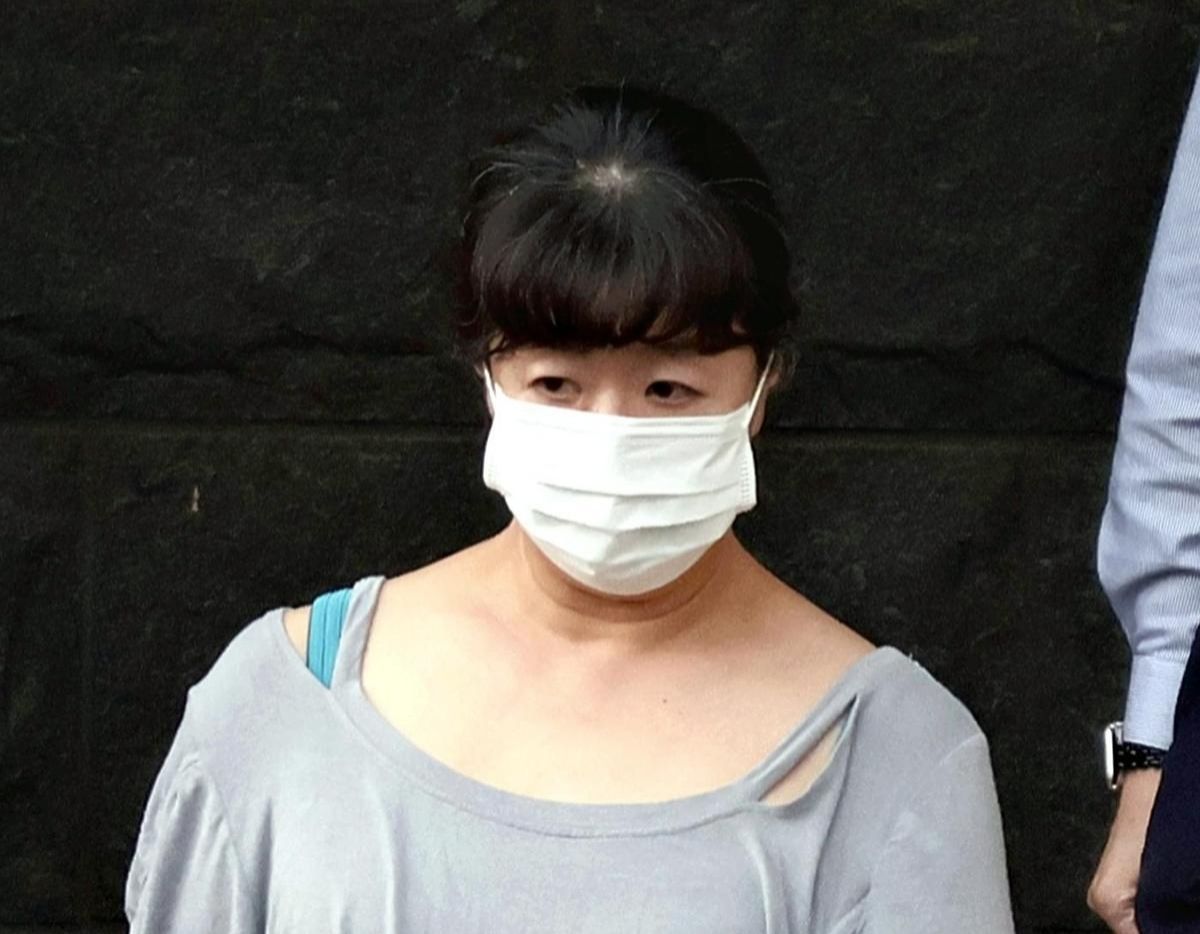
Japanese police have arrested a midwife on suspicion of deliberately introducing faeces into a patient's intravenous line, an incident that resulted in the man's death at a hospital in Kashiwa, Chiba Prefecture. The arrest of Miyuki Furukawa, 51, who resides in Kashiwa, marks a sobering development in a case that raises serious questions about patient safety and healthcare worker conduct in Japan's medical system.
The alleged incident occurred in the early morning hours of January 30, when authorities say Furukawa tampered with the IV extension tube of a 75-year-old male patient being treated at Kashiwa Tanaka Hospital. According to police documentation, the contamination took place at approximately 3.55am. The patient, who had travelled from his home in Toride, Ibaraki Prefecture to receive treatment at the facility, subsequently deteriorated and was pronounced dead around 10.30pm the following day on January 31.
Furukawa now faces formal charges of murder, signalling that Japanese prosecutors believe the evidence demonstrates intentional harm rather than negligence or accident. The Chiba prefectural police department is continuing its investigation to establish Furukawa's motive for the alleged action and to determine whether similar incidents may have occurred elsewhere during her employment. The case has prompted the hospital and authorities to examine security protocols and oversight mechanisms that should have prevented such contamination of medical equipment.
The nature of the alleged crime—deliberately introducing biological hazards into a patient's bloodstream—represents a fundamental violation of medical ethics and the duty of care expected from healthcare professionals. Such actions pose immediate and severe health risks; introducing faecal matter directly into the bloodstream can trigger catastrophic sepsis, organ failure, and rapid deterioration, all of which align with the victim's documented course of illness and death.
This incident echoes broader global concerns about healthcare worker misconduct and the so-called problem of "medical abuse," wherein trusted professionals exploit access to vulnerable patients. Japan has witnessed other high-profile cases involving healthcare workers whose actions caused patient harm, sparking public debate about institutional safeguards, psychological screening, and workplace accountability. The Japanese healthcare system, while generally renowned for quality, faces questions about how such extreme breaches of professional trust can occur.
The case underscores the particular vulnerability of hospitalised patients who depend entirely on medical staff for their care and safety. Patients cannot independently verify that their intravenous tubes have not been contaminated, nor can they easily monitor who accesses their equipment during night shifts when staffing levels are often reduced and supervision may be minimal. The alleged timing in the early morning hours suggests potential gaps in monitoring and security protocols at the facility.
For Malaysia and other Southeast Asian nations with developing healthcare infrastructure, this incident serves as a cautionary reminder about the importance of robust background checks, psychological assessments, and continuous training for all healthcare personnel. While Japan's healthcare system maintains high standards, the case demonstrates that even well-resourced systems can be vulnerable to determined individuals seeking to cause harm. Malaysian hospitals and regional healthcare facilities should examine their own protocols for monitoring sensitive areas, restricting access to IV equipment, and creating accountability systems that make tampering more difficult.
The investigation's focus on determining Furukawa's motive remains crucial. Whether the alleged actions stemmed from personal grievance, psychological disturbance, or other factors will have implications for how Japanese institutions approach worker mental health, conflict resolution, and early warning systems. The case also raises questions about whether adequate supervision and security measures were in place at Kashiwa Tanaka Hospital and whether any warning signs regarding Furukawa's behaviour were missed or overlooked by management.
Public trust in healthcare systems depends fundamentally on the assumption that medical professionals will act in patients' best interests. Allegations of such deliberate harm inevitably create shock and concern among the public, potentially affecting patient willingness to seek treatment or trust hospital staff. In Japan, where healthcare workers generally enjoy considerable public respect, this case may prompt broader conversations about accountability, transparency, and how institutions can rebuild confidence following breaches of professional conduct.
The investigation by Chiba prefectural police will likely examine hospital records, witness statements from other staff members present on the night shift, and any security camera footage that may exist. Establishing a clear timeline of events and determining precisely when and how the contamination occurred will be essential to the prosecution's case. Authorities will also assess whether Furukawa had documented access to the patient's treatment area and whether anyone observed her actions or had reason to suspect foul play before the patient's condition deteriorated dramatically.
As the investigation proceeds, the case remains a sobering reminder of the potential consequences when institutional safeguards fail and individuals with access to vulnerable populations are not adequately supervised or vetted. For regional healthcare systems, the Kashiwa incident illustrates the necessity of implementing layered security measures, including restricted access protocols, regular audits of equipment integrity, and rigorous staff background checks, even within ostensibly low-risk professional categories like midwifery.

