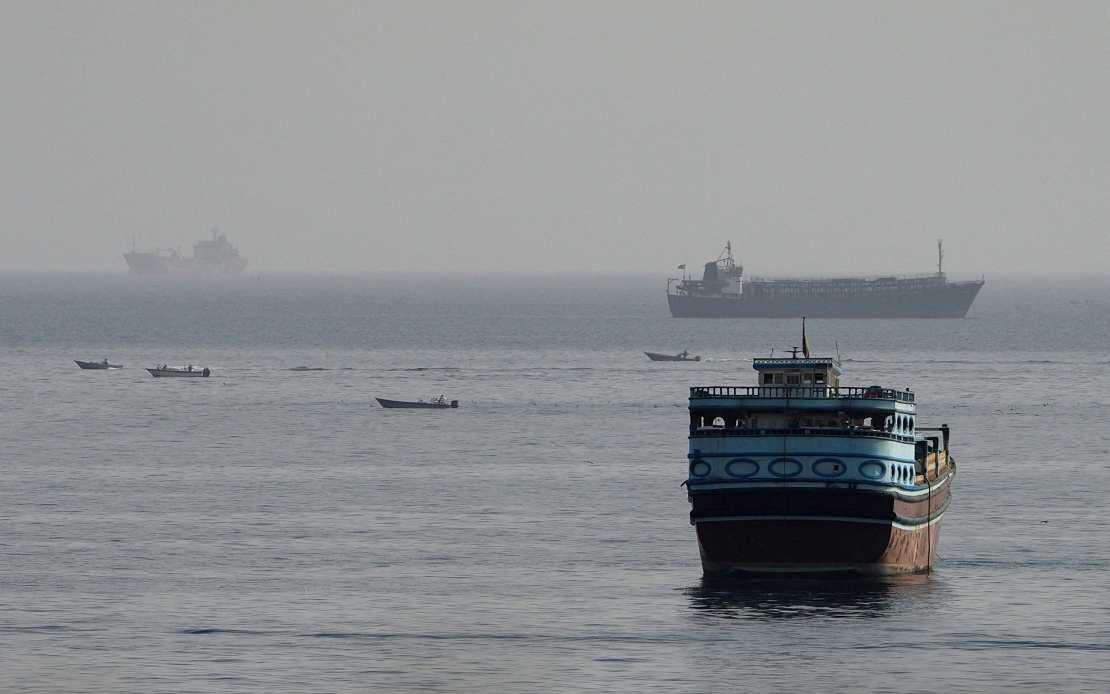
Japanese Prime Minister Sanae Takaichi has made a direct appeal to Iran's leadership not to introduce additional charges on shipping through the Strait of Hormuz, underscoring the waterway's significance for global commerce and energy flows. The intervention came during a telephone conversation with Iranian President Masoud Pezeshkian on Wednesday, marking their first exchange since June and occurring amid broader regional instability that threatens one of the world's most important maritime chokepoints.
The context for Tokyo's diplomatic move reflects mounting anxiety over the practical closure of the Strait of Hormuz, a passageway through which roughly one-fifth of globally traded oil flows. With US-Iran tensions having escalated significantly following the outbreak of conflict in late February, the corridor has faced unprecedented disruption, forcing energy traders and shipping companies to seek alternative routes through increasingly perilous waters. Japan, heavily dependent on imported energy resources to power its economy, has particular motivation to maintain free and unimpeded access through this critical artery connecting Middle Eastern oil producers to Asian markets.
During her remarks to journalists in Tokyo, Takaichi articulated what appeared to be Japan's core concern: that any new tariff regime imposed on Hormuz transit could fundamentally alter global energy economics and supply chains that have already been destabilised by geopolitical upheaval. The Prime Minister's language reflected diplomatic caution while conveying urgency about preserving the status quo regarding free passage rights, a principle deeply embedded in international maritime law and practice.
Simultaneously, Takaichi raised separate but interconnected anxieties about the security situation in the Bab el-Mandeb Strait, a narrow waterway on the opposite flank of the Arabian Peninsula where Yemeni Houthi militants have declared an effective blockade. The Japanese leader explicitly requested that Iran use its considerable influence over these Tehran-aligned rebels to encourage restraint and de-escalation. The appeal carries obvious implications for regional stability and the viability of alternative shipping corridors that have become increasingly important as the Hormuz chokepoint remains practically closed.
The Houthis, who announced their so-called maritime blockade in July ostensibly targeting Saudi Arabian vessels, have already conducted what Yemeni authorities characterised as a lethal assault on a cargo vessel navigating the Bab el-Mandeb Strait. These incidents have transformed this alternate passage into a contested zone, creating a compounding crisis for global maritime commerce. As the primary route through Hormuz remains compromised, the Bab el-Mandeb Strait represents the most viable alternative for crude oil transport heading toward Asia and Europe, making its security paramount for energy-importing nations throughout the region.
The telephone conversation between Takaichi and Pezeshkian represents Japan's attempt to balance its longstanding alliance with the United States against its historical relationship with Iran. Tokyo has maintained diplomatic channels with Tehran even as many Western capitals have grown distant, reflecting Japan's pragmatic approach to Middle Eastern geopolitics and its fundamental need for stable energy supplies regardless of international political alignments. This strategic posture has enabled Japan to serve occasionally as a diplomatic bridge during periods of heightened US-Iran tension.
The substance of Takaichi's message appears designed to advance three distinct objectives: first, to signal Japan's opposition to any formalisation of new shipping fees on the Hormuz route; second, to underscore the international community's expectations regarding Iran's responsibility as a guardian of a vital global thoroughfare; and third, to implicitly acknowledge Iran's leverage over the Houthi situation while diplomatically requesting its constructive use. The phrasing about conveying "deep concern" suggests Tokyo's recognition that the Houthi attacks represent a deliberate strategy rather than isolated incidents, lending weight to the request for Iranian intervention.
For Malaysia and other Southeast Asian economies, this diplomatic exchange carries substantial implications. The region's growth depends heavily on the continued flow of Middle Eastern energy supplies through these same maritime corridors. Any disruption to Hormuz passage or destabilisation of the Bab el-Mandeb Strait directly threatens energy security and supply chain reliability throughout Southeast Asia. Malaysian oil importers and shipping companies with vessels traversing these routes face mounting insurance costs and operational risks as the security situation deteriorates.
The broader context reveals how geopolitical friction in the Middle East reverberates through global supply networks in ways that disproportionately affect energy-dependent Asian economies. Japan's diplomatic initiative reflects an understanding that preventing further escalation in maritime security is essential not merely for Japan's energy security but for the stability of the entire Asian economic model that depends on unobstructed trade flows. The conversation between Takaichi and Pezeshkian therefore represents not merely bilateral diplomacy but an implicit assertion of regional interests in preserving the international maritime system.
Going forward, the effectiveness of Takaichi's appeal remains uncertain. Iran's willingness to moderate Houthi activities and refrain from imposing transit charges will likely depend on broader developments in US-Iran relations and the trajectory of the Israeli conflict that has animated current tensions. What remains clear is that Japan, despite its Western alliance commitments, has determined that direct engagement with Tehran remains the most productive diplomatic avenue for addressing the cascading consequences of Middle Eastern instability on Asian energy security.

