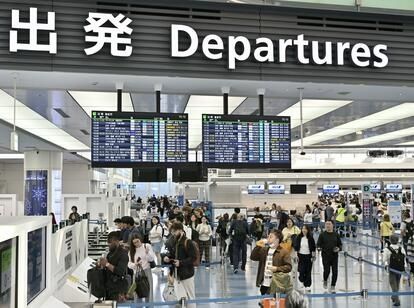
Japan has significantly restructured its tourism-related fees in a sweeping overhaul that reflects the government's growing concern about managing the impact of surging inbound visitor numbers. Effective from Wednesday, the international tourist tax has climbed to 3,000 yen (US$18) per person, tripling from its previous level of 1,000 yen. The increase marks a dramatic escalation in the government's effort to harness funding from the tourism boom while simultaneously tackling the infrastructure and congestion challenges it creates. For travellers who purchased tickets before the deadline, the original rate remained in effect, but those booking travel after the change faced the substantially higher levy.
The fee restructuring extends beyond the departure tax to encompass visa charges, which have seen their most significant increase in nearly half a century. Single-entry visas for foreign visitors requiring travel authorisation jumped to 15,000 yen, while multiple-entry permits climbed to 30,000 yen—both representing a fivefold increase from previous rates. Foreign Minister Toshimitsu Motegi characterised these hikes as necessary adjustments to reflect both the cumulative effects of inflation over decades and the weakening of the yen against major currencies. Notably, Motegi suggested that the higher visa costs are unlikely to deter most international visitors, signalling official confidence that demand for Japanese tourism will remain robust despite the elevated fees.
Comparatively, Japan's visa charges had long been regarded as exceptionally affordable relative to other Group of Seven economies, creating a potential competitive advantage for attracting visitors. The 1978 timestamp on the previous increase underscores how substantially visa fees had lagged behind global economic changes and currency movements. By bringing fees closer to international norms, Japan is positioning itself within the range of peer nations while still maintaining a competitive posture. This calibration reflects a deliberate policy choice to balance revenue generation with continued market attractiveness.
The government has simultaneously introduced offsetting measures designed to distribute the financial burden more equitably across its population. Passport application fees for Japanese nationals have been substantially reduced, acknowledging that domestic citizens should not bear the full weight of tourism infrastructure costs. Citizens applying at designated counters such as passport centres now pay 9,300 yen for a 10-year passport, down significantly from 16,300 yen, while five-year passports have been standardised at 4,800 yen for applicants under 18. Online applications attract further discounts, bringing costs to 8,900 yen and 4,400 yen respectively, creating incentives for digital processing and reducing pressure on physical facilities.
The revenue generated from these elevated taxes and fees will be channelled into two strategic priority areas. The primary focus targets immediate congestion relief at Japan's most popular tourist destinations, where foreign visitors have increasingly created bottlenecks and overcrowding. The government plans to establish designated viewing areas at renowned photography spots that have become overwhelmed with international tourists seeking iconic images. This infrastructure investment aims to redistribute visitor flows more smoothly while preserving the experience at high-demand locations. The environmental and cultural preservation angle is implicit—managing overcrowding at fragile heritage sites and natural attractions serves Japan's long-term tourism sustainability.
Secondary investments will support broader geographical distribution of tourism through regional revitalisation initiatives. Converting local railway networks into tourist attractions represents an innovative approach to leveraging existing infrastructure for economic development beyond Japan's traditionally overvisited metropolitan centres. Station building renovations, meanwhile, serve dual purposes of enhancing visitor experiences while upgrading essential public infrastructure. These initiatives reflect a sophisticated understanding that tourism revenue can fund improvements benefiting both visitors and residents, creating a more inclusive distribution of tourism's economic benefits across provincial Japan.
The international tourist tax, formally recognised as such by Japanese authorities, has demonstrated strong revenue generation despite its modest previous rate. In fiscal 2025, which concluded in March, the tax collected approximately 49 billion yen from travellers. Projections for fiscal 2026 indicate the tripled rate should generate around 130 billion yen, nearly tripling the previous year's intake. This substantial increase provides the government with meaningful resources to implement the infrastructure and regional development programmes outlined in its tourism management strategy. The collection mechanism, handled by airlines, cruise lines, and travel agencies at point of ticket purchase, ensures efficient administration without requiring additional bureaucratic infrastructure.
Certain categories of travellers remain exempt from the departure tax, reflecting policy distinctions based on trip duration and passenger demographics. Individuals transiting through Japan with stays shorter than 24 hours fall outside the tax scope, recognising their minimal impact on local infrastructure. Children under two years of age similarly escape the levy, a common provision in travel taxes globally that acknowledges the minimal service consumption of infants. These exemptions target the tax more precisely toward visitors whose presence generates the infrastructure demands the government seeks to address.
Japan's low passport ownership rate among its population presented a secondary policy challenge that the government has now addressed through the fee reductions. Historically, Japan's passport holding rate has remained lower than those of comparable advanced economies, potentially reflecting the nation's geographic isolation and cultural factors limiting international travel propensity. By reducing application costs and offering digital discount options, the government aims to increase passport issuance rates, supporting both individual opportunity for international mobility and the diplomatic and soft power advantages of higher passport proliferation among the population. This reflects a recognition that domestic tourism policy cannot exist in isolation from broader population mobility trends.

