Prime Minister Sanae Takaichi has announced that Japan will implement an unprecedented reduction in its consumption tax on food and beverages, cutting the rate from eight percent to just one percent starting next April. The announcement represents a significant policy shift for the world's fourth-largest economy, which has struggled with inflationary pressures stemming from geopolitical instability in the Middle East and persistent weakness in the yen. This marks the first occasion in more than three decades that Japan has lowered the consumption tax since its introduction in 1989, signalling a notable departure from the nation's taxation approach during a period of pronounced economic headwinds.
The temporary reduction will remain in effect for two years before reverting to the eight percent rate in 2029, according to Takaichi's announcement to reporters on Thursday. This timeline aligns with the government's broader strategy to introduce more targeted assistance mechanisms, specifically what officials describe as "meticulous subsidies" designed to support lower-income households grappling with escalating social insurance premiums. The synchronisation of the tax increase with enhanced welfare measures reflects an attempt to balance fiscal responsibilities with social protection, acknowledging that certain segments of the population face disproportionate hardship from rising costs across essential services and commodities.
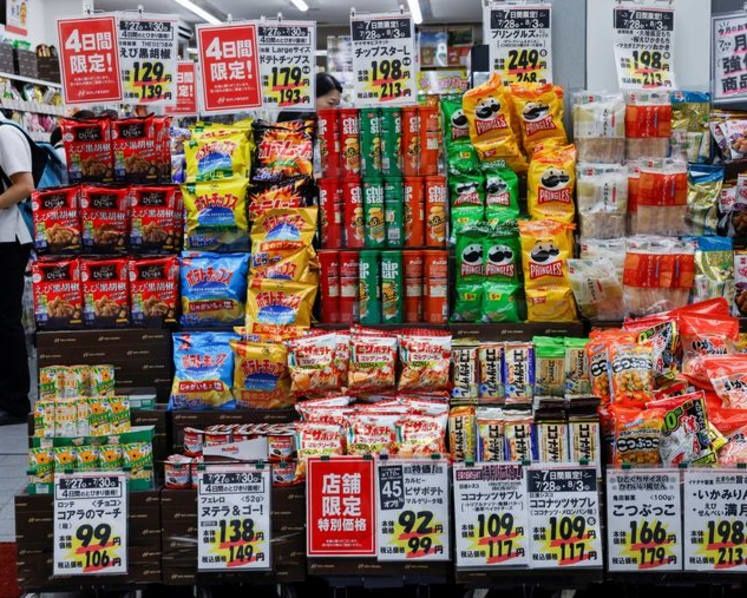
The decision to slash food taxes directly addresses mounting concerns about household purchasing power in Japan, where inflation has eroded real wages and squeezed family budgets. The Middle Eastern conflicts have disrupted global energy markets, pushing fuel and transportation costs higher, while a weakened yen has made imported goods—including many food products—substantially more expensive for Japanese consumers. Food, being a necessity rather than a discretionary purchase, has become an increasingly visible flashpoint in public sentiment about the economy's trajectory. By targeting this specific category, the government aims to provide immediate relief at the supermarket checkout, where many voters directly experience inflationary pain.
Yet the move carries considerable fiscal risks for a nation already burdened by what economists regard as unsustainable debt levels. Japan's total debt exceeds twice its gross domestic product, the highest ratio among developed economies, placing severe constraints on the government's fiscal flexibility. This debt burden has been accumulated over decades of demographic decline, stagnant growth, and previous stimulus measures. The food tax reduction is projected to cost approximately 10 trillion yen, equivalent to roughly 61 billion dollars, in foregone tax revenues over the two-year implementation period—a substantial sum that will inevitably widen the budget deficit unless revenues are sourced from alternative channels.
Takaichi, who secured a commanding victory in recent lower house elections partly on the strength of her campaign pledge to eliminate food sales taxes entirely, has framed this measure as a victory for her administration's pro-growth agenda. The comprehensive tax elimination promise resonated with voters anxious about their living standards, and her government has pursued this reduction as a partial fulfilment of that electoral mandate. However, the decision to maintain the tax at one percent rather than abolishing it completely reflects pragmatic recognition of Japan's fiscal constraints. This compromise position suggests that the government has recalibrated its ambitions in light of budgetary realities, even while demonstrating its commitment to addressing inflation through tangible policy action.
To finance the revenue loss without relying on special government bonds—a move Takaichi emphasised as necessary to maintain market confidence in Japan's creditworthiness—the administration intends to examine existing tax relief mechanisms and subsidy programmes. This approach signals an intention to pursue offsetting measures within the existing fiscal framework rather than through additional borrowing, though implementation details remain unclear. The Japanese government faces a delicate balancing act: stimulus spending is needed to support demand and ease inflation's burden, yet excessive reliance on deficit financing could undermine investor confidence in sovereign debt sustainability. This tension between short-term relief and long-term fiscal stability will likely dominate policy debates in coming months.
For Malaysia and other Southeast Asian economies, Japan's policy choices carry indirect implications. As the region's largest developed economy and a significant trade and investment partner, Japan's approach to inflation and monetary policy influences regional financial conditions. A food tax cut combined with subdued economic growth could increase Japanese imports' competitiveness, potentially affecting Malaysian exporters in certain sectors. Additionally, how effectively Japan manages its debt-to-GDP ratio while implementing stimulus measures will influence global investor risk perceptions, potentially affecting capital flows across the region and interest rate trajectories that impact emerging markets.
The timing of this announcement also deserves scrutiny within Japan's broader macroeconomic context. While inflation pressures have eased from their 2022 peaks globally, Japanese consumers continue experiencing elevated costs for essentials. The Bank of Japan has maintained accommodative monetary policy despite gradual rate increases, creating an environment where fiscal stimulus appears more acceptable politically than it might otherwise. This convergence of monetary accommodation and fiscal support represents a shift from the austerity-focused policies that dominated much of the past decade, reflecting evolving economic orthodoxy as growth remains elusive.
Implementation challenges will likely emerge as the government executes this unprecedented tax reduction. Retailers and food suppliers will need to adjust pricing mechanisms and accounting systems, while tax authorities must establish compliance frameworks and enforcement procedures. The clarity of communication to businesses and consumers about the temporary nature of this measure will be crucial in managing inflation expectations—if the one percent rate is perceived as permanent, it could generate speculative behaviour or hoarding before the 2029 reversion.
Broader questions persist regarding whether targeted tax relief on food adequately addresses underlying inflationary pressures or merely treats symptoms while underlying causes persist. Energy security, supply chain vulnerabilities, and demographic-driven labour shortages remain structural challenges that tax policy alone cannot resolve. Consequently, while the food tax reduction may provide immediate respite for households and bolster near-term consumption, more comprehensive structural reforms may be necessary to establish durable price stability and sustainable growth trajectories.

