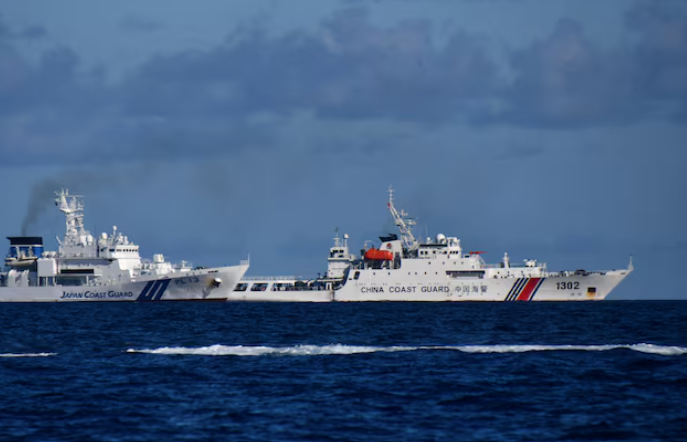
Japan's coast guard successfully forced two Chinese vessels to withdraw from territorial waters near the Senkaku Islands on Tuesday, July 7, according to officials in Tokyo. The expulsion represents the latest episode in a decades-long confrontation over the strategically important archipelago, which sits between Taiwan and Japan's Okinawa prefecture and is claimed by both nations. Beijing refers to the same islands as the Diaoyu, and the sovereignty dispute has periodically flared into dangerous maritime encounters between vessels from both countries.
According to Japan's coast guard, the Chinese ships had been approaching a Japanese fishing vessel operating in the contested waters when authorities intervened. The Japanese response was swift and decisive—coast guard vessels issued formal orders for the Chinese ships to depart, with both vessels complying and leaving Japanese-claimed territorial waters by approximately 9:20 am local time. Japanese officials simultaneously deployed protective assets around the fishing boat to guarantee the safety of the crew and vessel, underlining the potential for dangerous escalation when fishing operations occur in these disputed zones.
The broader context reveals a pattern of increasing assertiveness by China's maritime forces in the East China Sea. Four Chinese ships had been operating in the vicinity before the two vessels entered what Japan considers its territorial waters, suggesting a coordinated presence rather than isolated incursions. While the most recent Chinese entry into these waters occurred on June 10, the targeting of a Japanese fishing vessel represents a notably more aggressive posture. Such direct approaches to civilian fishing operations elevate risks of physical confrontation and create potential flashpoints for uncontrolled escalation between state authorities.
Japan's coast guard characterised the Chinese actions as violations of international law, a formal position that underscores Tokyo's interpretation of the maritime boundary and its obligations to enforce them. The agency issued a statement reaffirming its commitment to respond with measured but resolute enforcement, pledging to utilise all available means within both international and domestic legal frameworks to protect Japanese territorial integrity. This careful language reflects Japan's strategic approach—firm in principle yet calibrated to avoid inflammatory rhetoric that might further antagonise Beijing.
The underlying geopolitical tensions between Tokyo and Beijing have intensified considerably since Prime Minister Sanae Takaichi made controversial remarks about Taiwan in November of the previous year. Takaichi suggested that Japan might consider military intervention should self-governed Taiwan face armed attack from China, a statement Beijing viewed as unacceptable interference in its internal affairs. China regards Taiwan as a breakaway province and has explicitly refused to renounce the use of force to achieve unification, making any external military commitment to Taiwan's defence a direct challenge to Chinese national interests.
Beijing's response to Takaichi's Taiwan comments has been multifaceted and economically consequential. Chinese authorities have discouraged their citizens from travelling to Japan, a measure that impacts tourism revenues and cultural exchange. Simultaneously, Beijing has implemented targeted trade restrictions affecting certain Japanese companies, weaponising commercial relationships to pressure Tokyo into more accommodating diplomatic positions. These moves signal that China views Japan's Taiwan stance as a significant diplomatic breach rather than routine political commentary.
The Senkaku dispute carries implications far beyond bilateral Japan-China relations. The East China Sea, where these islands lie, harbours potentially substantial energy reserves—oil and natural gas deposits that remain largely unexploited due to the territorial disagreement. Control over the islands would grant the claimant state maritime rights over surrounding waters and access to these resources. This economic dimension transforms the dispute from a purely symbolic matter of national pride into a question of resource sovereignty, making resolution even more difficult and stakes considerably higher.
China has extended its assertive maritime posture beyond the Senkaku zone, routinely deploying coast guard vessels to other contested waters throughout the East China Sea. These operations occur despite consistent Japanese protests and international calls for restraint. The pattern suggests a deliberate strategy to normalise Chinese presence in disputed areas, gradually establishing de facto control through continuous maritime operations. Each incursion, even when ultimately unsuccessful, reinforces Chinese claims and creates precedent for future activities.
The danger in these maritime encounters lies in their unpredictability and potential for unintended escalation. Coast guard vessels, while ostensibly civilian, operate under state authority and can quickly transform routine intercepts into hostile confrontations. The presence of fishing boats introduces additional civilian elements that complicate decision-making and increase risks of miscalculation. A minor incident—whether accidental contact between vessels, perceived disrespect of authority, or miscommunication—could potentially spark a larger crisis that neither government initially intended.
For Southeast Asian nations like Malaysia, these developments carry significance beyond the immediate region. Japan's firm stance on maritime boundaries and international law aligns with principles underlying freedom of navigation and the sanctity of exclusive economic zones—matters directly relevant to nations throughout the region navigating their own territorial disputes and resource claims. Conversely, China's demonstrated willingness to employ economic coercion and military assertion to advance territorial claims establishes precedent that affects broader regional stability and the balance of power in Southeast Asia.
The episode also illustrates the delicate balance Japan must maintain between upholding its territorial claims and avoiding actions that might further strain relations with China. While Japan's coast guard executed proper enforcement according to international norms, the accumulation of such incidents—combined with Takaichi's Taiwan comments and Chinese retaliatory trade measures—creates an environment of sustained tension. Neither government appears inclined toward compromise or negotiated settlement, suggesting these maritime confrontations will likely persist as recurring features of East China Sea geopolitics for the foreseeable future.

