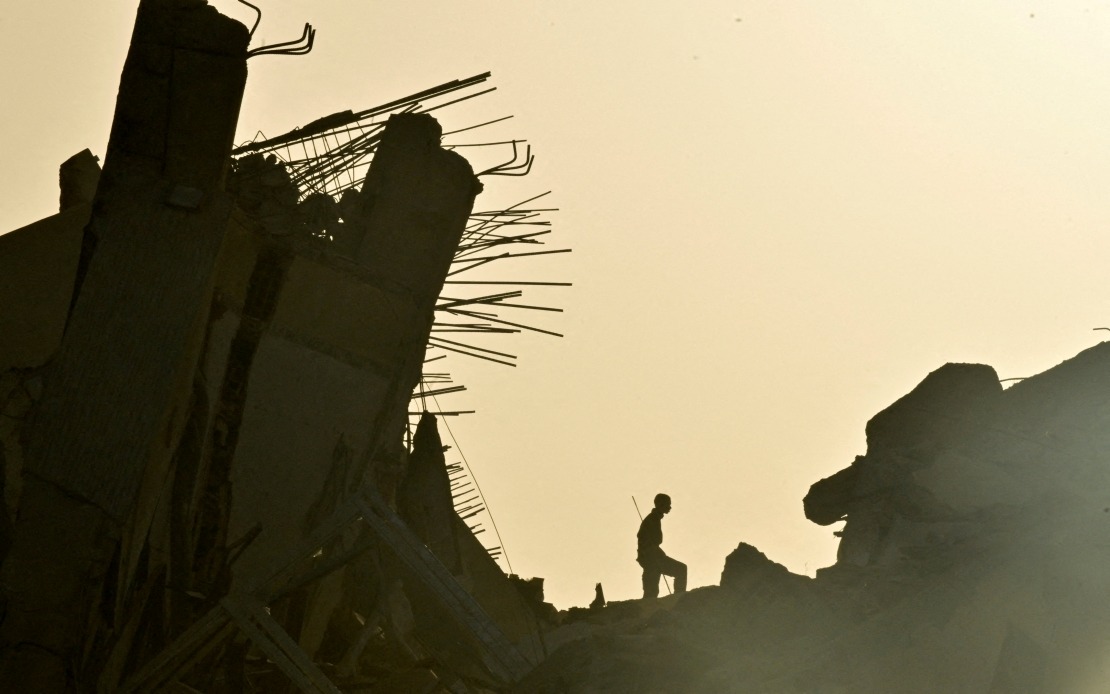
Japan has stepped up its humanitarian response to Venezuela's devastating earthquake disaster by committing US$3.5 million in emergency grant assistance and mobilising additional relief personnel. Foreign Minister Toshimitsu Motegi announced the package on Friday, signalling Tokyo's intention to sustain its support for Venezuelan communities struggling to recover from the dual seismic events that struck in late June and claimed more than 3,000 lives.
The financial allocation will be distributed through established international organisations rather than directly, a mechanism designed to ensure efficient delivery of critical supplies to vulnerable populations. The funds are earmarked specifically for procuring food rations, medical supplies, temporary shelter materials, and other necessities required for immediate survival and dignified living conditions. This approach reflects Japan's preference for channelling humanitarian aid through multilateral frameworks, which facilitates coordination and reduces administrative overhead in crisis situations where rapid deployment is essential.
Beyond the monetary commitment, Tokyo announced the dispatch of a second dedicated medical team to supplement relief operations already underway. This escalation indicates that initial assessments have identified sustained demand for specialised healthcare services in the earthquake zone. Japan had previously deployed its first medical relief contingent on July 1, following preliminary decisions on June 30 to ship emergency supplies. The additional team deployment suggests recognition that the immediate post-disaster phase requires prolonged professional medical intervention to prevent secondary casualties from untreated injuries and disease outbreaks that often accompany large-scale natural disasters.
The sequential nature of Japan's response—from initial supply shipments to medical team deployment to now expanded financial commitments—reflects a measured but progressive approach to disaster relief. Rather than announcing a single large package upfront, Tokyo is calibrating its assistance based on evolving ground conditions and specific requirements identified by international partners already present in Venezuela. This strategy allows flexibility to adjust support levels as the humanitarian landscape changes during the critical recovery window.
For Southeast Asian nations observing Japan's earthquake response protocols, the approach offers instructive lessons in effective disaster diplomacy. Japan's emphasis on working through international organisations rather than acting unilaterally demonstrates respect for national sovereignty while maximising humanitarian impact. Many ASEAN members facing comparable seismic risks can adopt similar frameworks when providing regional assistance, ensuring aid reaches beneficiaries without creating political complications or competing claims of aid delivery.
Motegi's public assurance that Japan will continue providing necessary assistance reflects Tokyo's longer-term commitment beyond immediate emergency response. Earthquake recovery typically spans years, encompassing reconstruction of housing, infrastructure rehabilitation, economic revitalisation, and psychological support for traumatised populations. Japan's explicit commitment to ongoing engagement signals that initial measures represent a foundation rather than the complete extent of Japanese involvement in Venezuela's recovery trajectory.
The coordination emphasis in Motegi's statement—specifically mentioning close collaboration with international organisations and humanitarian partners—underscores modern disaster response philosophy. Effective relief requires deconflicted operations, shared information systems, and complementary roles among multiple actors. Japan positions itself as a collaborative partner rather than a lead agency, an approach that builds international consensus and prevents duplication of efforts that waste scarce resources.
Venezuela's earthquake tragedy, occurring amid the country's broader economic and political challenges, presents a humanitarian imperative that transcends geopolitical considerations. Japan's response demonstrates that disaster relief operates in a separate analytical domain from bilateral political relationships. Tokyo's willingness to commit substantial resources reflects both humanitarian principle and recognition that earthquake disasters respect no political boundaries—a reality particularly relevant for Japan, itself highly vulnerable to seismic activity.
The timing of successive aid announcements serves a strategic communication function. By announcing new measures at intervals rather than simultaneously, Japan maintains media attention on Venezuela's plight and reinforces the impression of sustained, evolving commitment. This cadence also allows time for initial assistance to reach beneficiaries and be assessed before subsequent tranches are deployed, creating feedback loops that improve targeting and effectiveness.
For Malaysian policymakers considering regional disaster response frameworks, Japan's Venezuela engagement illustrates best practices in humanitarian coordination. The emphasis on multilateral channels, the balance between immediate emergency support and longer-term recovery assistance, and the explicit commitment to sustained engagement all represent elements worth incorporating into ASEAN's collective disaster response mechanisms as the region faces increasing climate-related and geological risks.
Motegi's reiteration that Japan will provide assistance "needed by those affected" rather than announcing predetermined limits signals flexibility in the commitment level. Should recovery assessments indicate greater requirements, Tokyo appears positioned to increase assistance rather than maintain rigid predetermined ceilings. This open-ended framing reflects understanding that disaster impacts often exceed initial estimates, and rigid budget constraints can hinder comprehensive recovery support.

