Japan has committed US$15 million in emergency humanitarian assistance to support vulnerable populations across West Asia, with the bulk of funding directed towards Iran, according to an announcement by Foreign Minister Toshimitsu Motegi on Friday. The Japanese government's decision reflects growing concern about the humanitarian toll of regional conflicts and instability, positioning Tokyo as a key player in multilateral relief efforts despite its geographic distance from the affected areas.
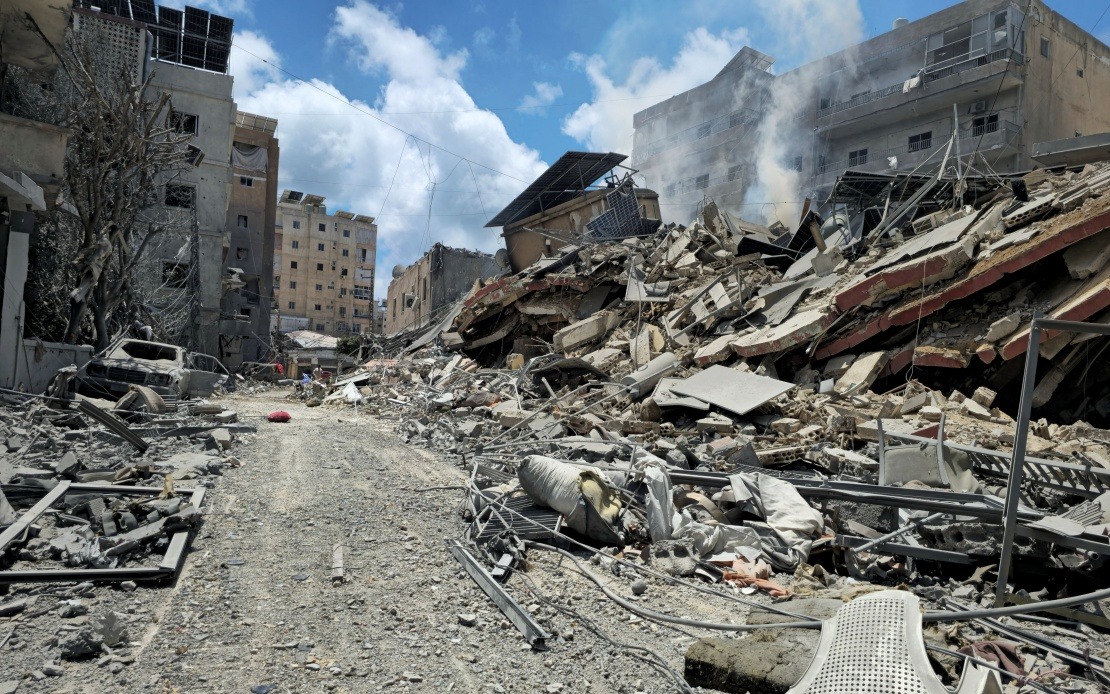
The aid allocation reflects Japan's strategic approach to the region, with approximately US$10 million designated for Iran to address the humanitarian consequences of ongoing conflict. A further US$4 million has been earmarked for Lebanon, a country struggling under the weight of economic collapse and political dysfunction, while US$1 million will support Palestinians in the West Bank. Rather than channelling funds directly, Tokyo has opted to work through established international organisations, a methodology that demonstrates Japan's preference for coordinated multilateral responses to humanitarian crises.
The specific nature of the assistance encompasses essential items that address immediate survival needs, including food provisions, medical supplies, and broader humanitarian support across all three target areas. This focus on fundamental necessities reflects the acute shortages facing civilian populations in regions where conflict, economic breakdown, and political instability have disrupted normal supply chains and healthcare systems. By concentrating on these core requirements, Japan aims to prevent further deterioration of conditions that could trigger mass displacement or disease outbreaks.
Toshimitsu Motegi's statement that "peace and stability in the Middle East are of vital importance to Japan" underscores Tokyo's recognition that instability in West Asia carries implications extending far beyond the immediate region. Japan's heavy dependence on Middle Eastern energy supplies, particularly oil and liquefied natural gas, makes regional peace a national economic interest. Moreover, disruption to shipping lanes and trade routes passing through the region directly affects Japanese commercial interests, creating practical rationales for Japan to invest in stabilisation efforts.
The humanitarian challenges facing the three target areas differ significantly in origin and character, yet share common threads of civilian suffering. Iran faces the cumulative impact of international sanctions and internal conflict, Lebanon grapples with state collapse and currency devaluation that has rendered much of the population destitute, while the West Bank endures the consequences of prolonged occupation and periodic violence. Japan's decision to provide support across these diverse contexts suggests recognition that effective regional engagement requires addressing multiple overlapping crises simultaneously.
For Southeast Asian observers, Japan's aid commitment carries particular resonance given similar concerns about regional stability and the interconnection between distant conflicts and local prosperity. Southeast Asian nations, like Japan, depend heavily on uninterrupted Middle Eastern energy supplies and maintain significant trade relationships with the region. Japan's willingness to contribute resources toward humanitarian stabilisation offers a model for how middle powers can exercise influence through coordinated assistance rather than military intervention.
The mechanism of delivery through international organisations reflects a broader pattern in Japanese foreign policy, where Tokyo prefers to operate within established institutional frameworks rather than pursue bilateral arrangements. This approach allows Japan to leverage its resources more efficiently by avoiding duplication and ensuring that assistance reaches intended recipients without becoming entangled in local political disputes. International organisations also provide technical expertise and on-ground presence that Japan, as a non-regional actor, necessarily lacks.
Motegi's emphasis on continued cooperation with relevant countries and international bodies signals that this commitment represents not a one-time gesture but rather part of sustained engagement. Japan has historically maintained economic and diplomatic relationships across the Middle East, balancing ties between oil-rich Arab states, Israel, Iran, and Turkey. The aid announcement affirms this delicate equilibrium by providing support to multiple parties without appearing to take sides in regional conflicts.
The timing of the announcement in late June 2023 coincides with a period of particular tension and humanitarian deterioration across West Asia. Lebanon had already descended into one of the world's worst economic collapses, Iran continued confronting internal unrest alongside sanctions, and Palestinian territories faced compounding crises of occupation and economic stagnation. Japan's decision to mobilise resources at this juncture suggests Tokyo assessed that conditions had reached a threshold demanding immediate action beyond diplomatic rhetoric.
For Malaysian policymakers and observers, Japan's humanitarian engagement offers lessons about balancing strategic interests with moral responsibility to vulnerable populations. Malaysia, itself a significant regional economic actor, similarly maintains complex relationships across the Middle East and carries responsibility toward Palestinian communities with which it shares religious and cultural ties. Japan's experience in navigating these relationships while providing practical support could inform approaches to expanding Malaysia's own humanitarian contributions.
The US$15 million commitment, while substantial, represents a modest fraction of Japan's overall foreign aid budget, indicating that this initiative forms part of a broader portfolio rather than a dramatic shift in Tokyo's strategic priorities. Nevertheless, the public nature of the announcement and specific allocation details demonstrate Japan's intent to demonstrate leadership in multilateral humanitarian responses. By making details public, Tokyo signals to other donor nations that the humanitarian situation warrants urgent action and invites them to contribute proportionately.
Looking forward, Japan's continued involvement in West Asian humanitarian efforts will likely deepen as regional instability persists and economic conditions deteriorate further. The Japanese government's willingness to engage across multiple crisis zones suggests recognition that comprehensive regional stabilisation requires addressing interconnected economic, political, and humanitarian dimensions simultaneously. For stakeholders throughout Southeast Asia, Japan's approach provides both an example of how middle powers can exercise meaningful influence and a reminder that Middle Eastern instability ultimately carries consequences far beyond its geographic boundaries.

