A fatal road accident outside a major Hyderabad shopping mall has escalated into a political controversy, with opposition parties alleging preferential treatment in the investigation. Lingamaneni Sanjush, the 21-year-old son of Jana Sena Party MP Lingamaneni Ramesh, has been granted station bail following the death of Bharati Mukhi, a 26-year-old employee at the Lifestyle store in Inorbit Mall, who was struck by an Aston Martin on August 16.
The collision occurred around 3 pm when Bharati and her colleague Pooja Ashok were returning to the mall after collecting meals from a nearby restaurant. According to witness accounts documented by police, Bharati was crossing the road when the high-speed vehicle hit her without warning. The impact caused severe head injuries, and she was rushed to Apollo Hospital in Jubilee Hills, where doctors pronounced her dead shortly after arrival. The incident brought immediate scrutiny to issues of road safety and accountability in Hyderabad's busy commercial districts.
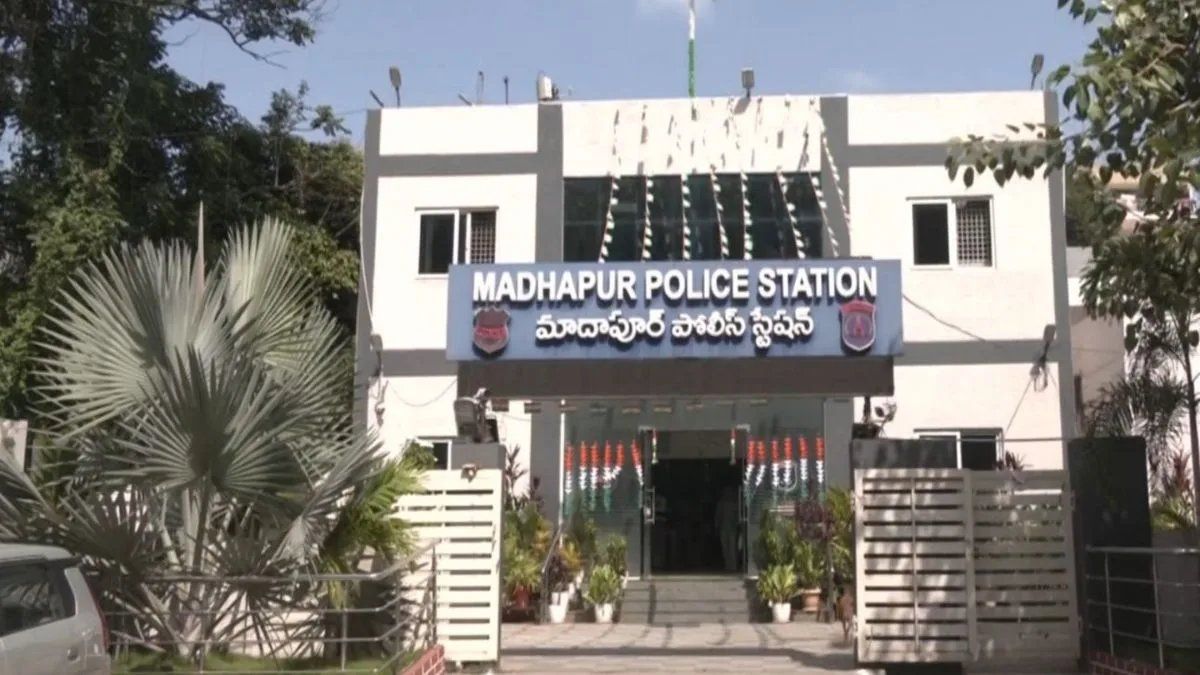
Investigating officers from Madhapur Police Station proceeded with standard procedures following the accident. Sanjush was apprehended the same day, and authorities conducted comprehensive sobriety and drug screenings. Blood samples were collected and forwarded to the Forensic Science Laboratory for toxicological examination to determine whether impairment played a role. Police records indicate the vehicle was being operated at excessive speed and in a manner consistent with rash and negligent driving. The formal case was registered under Section 106(1) of the Bharatiya Nyaya Sanhita, which addresses causing death through negligence.
During the investigation process, Sanjush was served a formal notice under Section 35(3) of the Bharatiya Nagarik Suraksha Sanhita, a procedural requirement in serious traffic fatalities. Following this notice, he was released on station bail, a practice allowing individuals to be temporarily freed while investigations continue. The Aston Martin involved in the incident has been impounded by authorities as part of the evidence collection process. Investigators have indicated they are still awaiting the Post Mortem Examination report and continuing their broader inquiry into the circumstances surrounding the fatal collision.
The legal proceedings have now become entangled in regional political controversy. The YSR Congress Party, an opposition faction in the state, has launched public criticism of what it characterizes as insufficient transparency and accountability in the case. Karthik Yellapragada, the party's national spokesperson, highlighted what he viewed as an unusual lack of media attention and public discourse during the initial five days following the accident, suggesting deliberate suppression of information by authorities.
Yellapragada's allegations carry broader political implications, with claims that agreements between state-level political leaders may be influencing investigative priorities and media coverage. He specifically referenced Chief Minister Revanth Reddy and Andhra Pradesh's Chief Minister Chandrababu Naidu, suggesting behind-the-scenes political understandings that might be affecting how high-profile cases are handled. These accusations, while unsubstantiated at the time of reporting, reflect persistent concerns among opposition parties about consistency in legal enforcement across cases involving politically connected individuals and ordinary citizens.
The incident underscores recurring tensions in Indian enforcement where accidents involving wealthy or politically connected families sometimes generate questions about equal application of the law. Critics argue that while technical procedures may be followed correctly, the pace of investigations, media accessibility, and bail decisions can differ markedly depending on a suspect's social position. The opposition's demand for "immediate justice" appears directed not merely at expediting this particular case but at establishing visible standards ensuring no preferential treatment occurs.
From a regional perspective, this case resonates across South Asian urban centers where rapid motorization has outpaced infrastructure development and safety enforcement. Cities like Hyderabad, Bangalore, and other Indian metropolitan areas have witnessed rising traffic fatalities, yet prosecutions involving affluent or connected drivers have sometimes proceeded at different speeds than those involving ordinary motorists. The disparity itself becomes a political issue, influencing public confidence in judicial institutions.
For Malaysian readers, the incident carries relevance to ongoing discussions about road safety and accountability in our own context. While Malaysia has implemented various enforcement mechanisms addressing rash driving and fatal accidents, questions persist about consistency when high-profile individuals are involved. The Hyderabad case illustrates how such incidents, handled poorly, can undermine institutional credibility and fuel wider perceptions of unequal justice. Regional judicial systems continue grappling with balancing investigative thoroughness with speed and transparency, particularly in cases attracting political scrutiny.
The investigation continues as authorities await forensic reports and complete their documentation. Sanjush's bail status permits temporary freedom subject to investigation conditions, though the case remains active. The political dimension of the case suggests that even as technical legal procedures proceed, public and political engagement will likely intensify, especially if the investigation's pace or conclusions appear inconsistent with public expectations or prior cases involving non-connected individuals. The broader implications extend beyond this single fatal accident to fundamental questions about rule of law, political neutrality in law enforcement, and whether justice systems can maintain credibility when high-profile cases enter political spheres.

