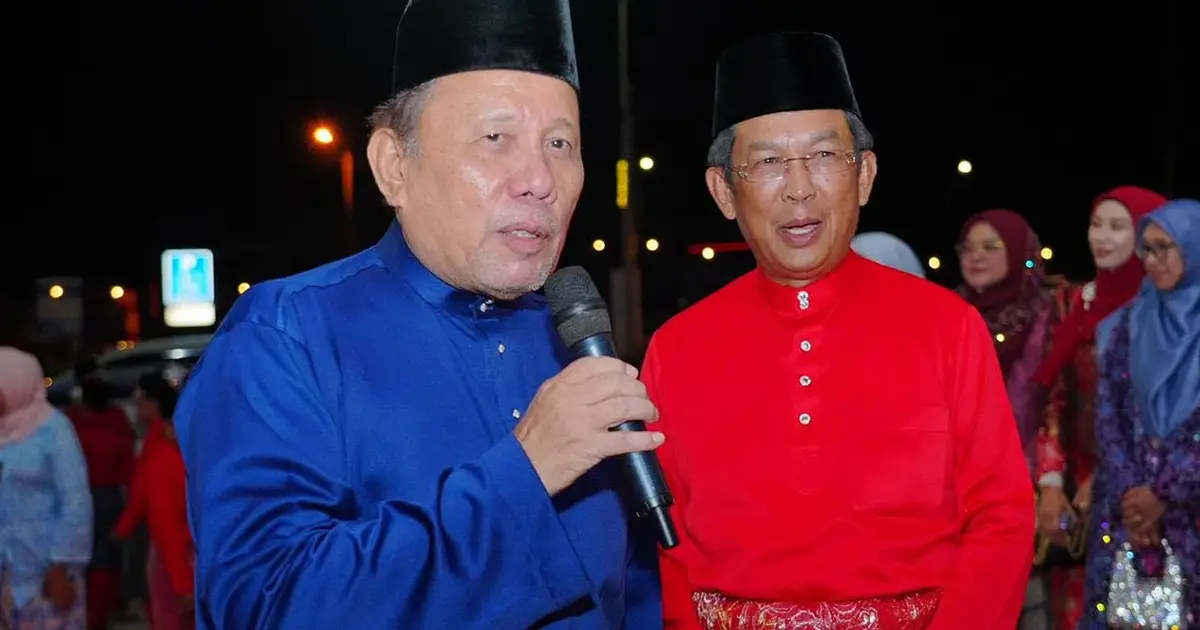
Jalaluddin, the Umno chief in Negeri Sembilan, has categorically denied involvement in any scheme to unseat the Menteri Besar or orchestrate the removal of the state's ruler, pushing back against mounting speculation about internal party instability in the state.
The denial comes amid persistent reports suggesting that the party leader had been engaged in efforts to coerce the Menteri Besar into appending his signature to a formal document designed to initiate the process of removing the state ruler from office. These allegations have raised serious questions about political stability within Negeri Sembilan's administration and the potential fracturing of Umno's unity at the state level.
The controversy reflects broader tensions that have characterised Malaysian state politics in recent years, where factional disputes within governing coalitions have occasionally translated into dramatic shifts in leadership and governance. The alleged pressure campaign, if substantiated, would represent a particularly audacious attempt to manipulate constitutional processes at the state level, given the delicate and constitutionally entrenched position of the Negeri Sembilan ruler.
Negeri Sembilan's political landscape has historically been volatile compared to other Malaysian states, with the state's traditional monarchical structure adding layers of complexity to power dynamics. The ruler occupies a unique constitutional position that grants considerable influence over government formation and dissolution, making him a pivotal figure in state administration. Any concerted effort to diminish or remove this position would carry profound implications for the state's political framework.
For Malaysian politics watchers, such allegations underscore the persistent challenge of managing factionalism within established political parties. Umno, as the dominant component of the federal ruling coalition, has weathered numerous internal disputes in recent years, and state-level conflicts frequently serve as testing grounds for competing narratives and leadership ambitions. The Negeri Sembilan situation exemplifies how local political competition can escalate into matters of constitutional significance.
The timing of these allegations is particularly noteworthy given the current state of Malaysian politics. With regular scrutiny of government stability and leadership legitimacy dominating national discourse, any suggestion of backroom maneuvering to manipulate high office carries immediate political resonance. The public denial by Jalaluddin appears designed to preempt potential damage to his standing and to demonstrate that no coordinated effort to destabilise state governance is underway.
For ordinary citizens in Negeri Sembilan, such political turbulence raises legitimate concerns about administrative continuity and whether government attention remains focused on service delivery and policy implementation rather than internal power struggles. The state's economic development, infrastructure initiatives, and public service efficiency can suffer when political leadership becomes consumed with factional disputes and succession maneuvering.
The constitutional dimension of these allegations deserves particular emphasis. Malaysia's federal system grants each state ruler specific powers regarding government formation, and any attempt to pressure the Menteri Besar into formally initiating the ruler's removal would constitute an extraordinary constitutional moment. The process of removing a state ruler involves complex procedural and legal considerations, and the alleged coercion of the Menteri Besar to sign a relevant document would represent an aggressive assertion of intra-party control over constitutional mechanisms.
Umno's regional chapters frequently become arenas where competing figures advance their political interests through control of state apparatus and access to patronage networks. The Negeri Sembilan chapter's apparent tensions suggest that broader struggles within the national party organisation may be playing out at the state level, with implications for Umno's cohesion nationwide. Any successful assertion of factional control in Negeri Sembilan could establish precedents for similar maneuvers in other states where Umno maintains dominant positions.
Jalaluddin's categorical rejection of the allegations serves multiple purposes in the current political climate. It allows him to distance himself from any association with constitutional manipulation while simultaneously challenging his critics to produce substantive evidence. The denial also functions as a signal to party leadership in Kuala Lumpur that Negeri Sembilan Umno remains committed to legitimate political processes and hierarchical party discipline.
Moving forward, pressure will likely mount on all relevant parties to provide greater transparency regarding these allegations. Whether through internal party investigations, media revelations, or official statements, the Malaysian political establishment faces a test of its commitment to institutional integrity. The resolution of this controversy will signal to other state-level actors whether ambitious political schemes involving constitutional manipulation can proceed with relative impunity or whether there exist meaningful constraints on such conduct.

