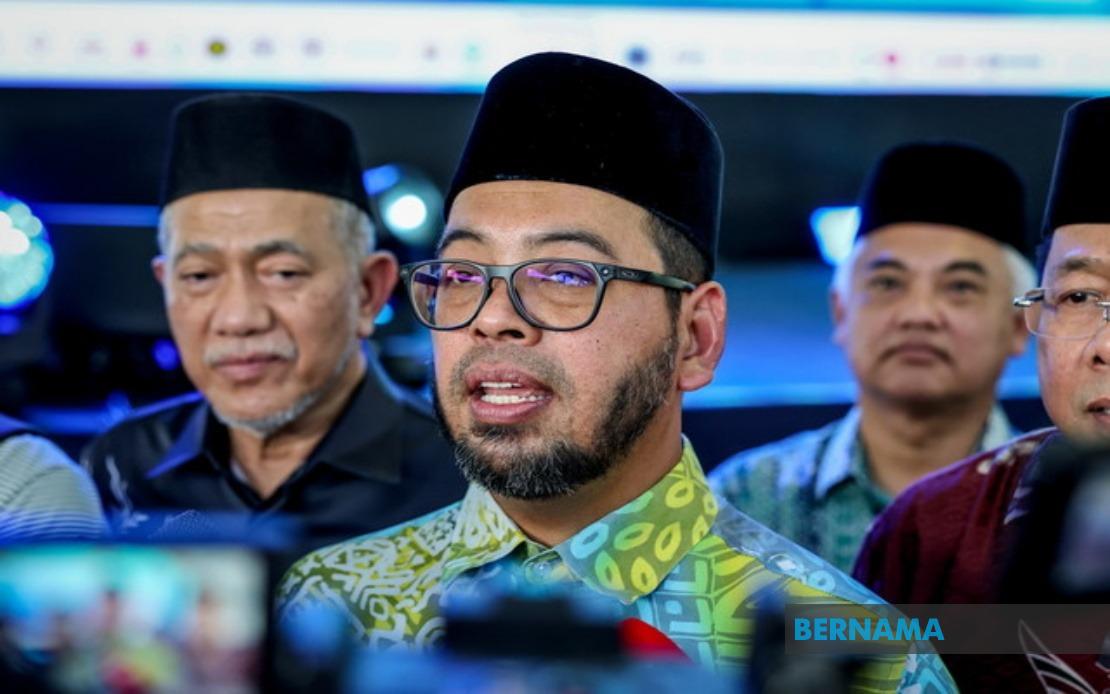
The Department of Islamic Development Malaysia (JAKIM) is moving to establish uniform funeral management protocols across the country, prompted by a social media controversy that recently captured public attention. Minister in the Prime Minister's Department (Religious Affairs) Dr Zulkifli Hasan announced the initiative while officiating the Multaqa MADANI Ulama and Umara Programme for the Northern Zone at Masjid Timah in Permatang Pauh, indicating that the standardisation effort reflects both contemporary requirements and the existing legal frameworks of individual states.
The initiative acknowledges that several Malaysian states have already developed their own funeral management guidelines, but JAKIM has identified scope to consolidate these into a more robust and comprehensive framework applicable across all jurisdictions. Rather than imposing a blanket approach, the ministry intends to enhance existing standards by incorporating best practices and addressing gaps revealed through recent incidents. Dr Zulkifli explained that the refinement process recognises the distinct regulatory environments in each state while working towards greater consistency in how funeral services are managed nationally.
According to the Minister, the work of standardising these guidelines should conclude in a relatively short timeframe, given that foundational standards are already in place and require only fine-tuning rather than complete restructuring. However, he emphasised that the finalisation process will proceed carefully to ensure full compliance with state-specific legislation and religious authority requirements. This measured approach suggests JAKIM is conscious of the need to balance efficiency with the careful coordination required across Malaysia's federal system of religious governance.
The controversy that sparked this initiative centred on funeral management practices in Selangor, where a burial was allegedly delayed at the Ukay Perdana Muslim Cemetery in Hulu Kelang. Rather than centralising the resolution, Dr Zulkifli indicated that state-level religious authorities—specifically the Selangor Islamic Religious Department (JAIS) and the Selangor Islamic Religious Council (MAIS)—would lead investigations into the incident. This distribution of responsibility reflects the constitutional division of powers over Islamic matters in Malaysia, where states retain primary authority while federal bodies like JAKIM provide oversight and coordination.
MAIS chairman Datuk Salehuddin Saidin convened an emergency meeting involving the deceased's family members, officials from Masjid Nurul Hidayah in Kampung Pandan Dalam, representatives of the Badan Kebajikan Salatulrahim welfare organisation, and JAIS personnel to address the allegations and develop solutions. The gathering aimed not only to resolve the specific grievance but to identify systemic improvements that could prevent similar problems from arising. This collaborative approach suggests that Malaysian Islamic authorities recognise funeral management as a shared responsibility requiring input from multiple stakeholders rather than top-down directives.
The timing of JAKIM's standardisation effort carries significance for Malaysia's religious institutions, which have faced increased scrutiny from the public through social media platforms. When funeral procedures—sensitive matters touching on family grief and religious obligation—become subjects of viral discussion, the credibility of Islamic administrative bodies comes under pressure. By proactively developing clearer, more transparent guidelines, JAKIM appears to be attempting to rebuild public confidence in how Islamic affairs are managed at the ground level.
For Malaysian families navigating funeral arrangements, standardised guidelines could offer practical benefits. Currently, uncertainty about procedures, timelines, and requirements can compound the emotional burden of losing a loved one. If JAKIM successfully implements coherent national standards that are readily accessible and consistently applied, families might experience less confusion when arranging burials. However, the guidelines will need careful communication to the public, particularly through religious institutions and community leaders who serve as trusted intermediaries.
The Minister's call for calm and unity during the resolution process reflects awareness that funeral disputes can easily become flashpoints for broader communal tensions. By urging all parties to work collaboratively without deepening divisions, Dr Zulkifli signalled that JAKIM views the incident not as a crisis requiring blame assignment but as an opportunity to strengthen institutional practices. This framing may help prevent the issue from escalating into a major religious or political controversy.
The standardisation project also touches on broader questions about how Malaysia's Islamic institutions adapt to contemporary expectations. Families increasingly expect transparency, defined procedures, and professional-grade service standards in funeral arrangements, similar to what they might encounter in other sectors. Traditional Islamic burial practices, which emphasize simplicity and community participation, must be balanced against modern expectations for efficiency and clear communication. JAKIM's guidelines could serve as a bridge between these sometimes-competing values.
For the Islamic religious authorities in individual states, the availability of JAKIM's comprehensive guidelines may reduce the administrative burden of developing standards from scratch while allowing flexibility to accommodate local conditions and preferences. Selangor, Johor, Sabah, and other states can adopt the baseline standards while introducing modifications as their state enactments require. This cooperative federalism approach could ultimately produce more consistent outcomes for families nationwide.
The incident also reveals the power of social media to hold public institutions accountable. The viral nature of the Selangor burial controversy ensured that JAKIM could not ignore the issue or allow it to fester. In Malaysia's increasingly connected society, religious institutions must be prepared for real-time scrutiny and respond with transparency and concrete action. The standardisation initiative demonstrates that feedback from public discourse can catalyse institutional improvement, though the challenge remains ensuring that guidelines translate into consistently better service on the ground.
Moving forward, JAKIM will need to communicate the finalised guidelines effectively to mosque committees, cemetery operators, funeral service providers, and the general public. Simply publishing standards in official documents will prove insufficient; the ministry should consider conducting training sessions and producing accessible materials in multiple languages. Given Malaysia's diverse population, clear guidance in Malay, English, and Chinese could help ensure that funeral management improves across communities.
The government's response to this issue reflects a recognition that Islamic administration in Malaysia must evolve to meet contemporary standards while maintaining religious authenticity and respecting federal and state legal frameworks. As JAKIM moves forward with standardisation, the success of the initiative will ultimately depend on whether the guidelines genuinely improve the experience of families during profoundly difficult moments, and whether implementation across states remains consistent and respectful.

