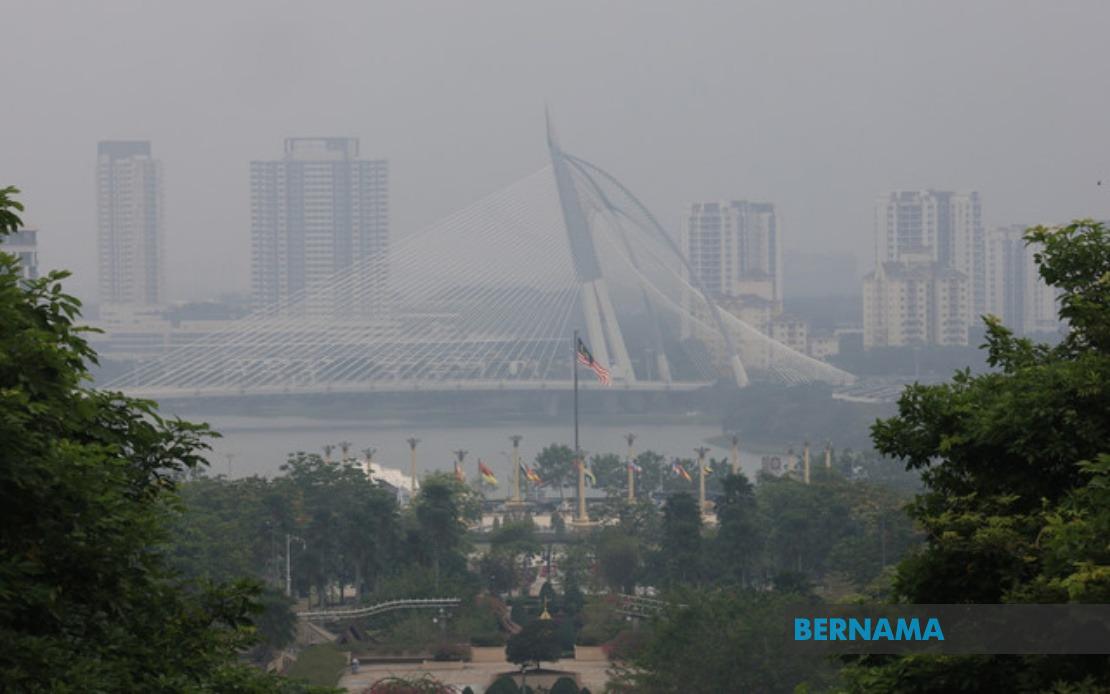
Malaysia's Department of Islamic Development has organised spiritual interventions at three prominent places of worship as the country grapples with deteriorating air quality from haze. The initiative reflects growing concern among authorities and the broader Muslim community about environmental conditions that have prompted both religious and governmental responses to the escalating crisis.
JAKIM will facilitate Solat Hajat—a supplication prayer seeking divine assistance during times of hardship—following the evening Maghrib prayers at the National Mosque in Kuala Lumpur, alongside simultaneous observances at Putra Mosque and Tuanku Mizan Zainal Abidin Mosque in Putrajaya. The coordinated prayer sessions underscore the formal recognition of haze as a matter warranting spiritual mobilisation across the Islamic establishment's hierarchy.
Datuk Dr Sirajuddin Suhaimee, JAKIM's director-general, extended an invitation to the broader Muslim population to participate in collective supplication, framing the gathering as an opportunity to petition for divine protection, wellness, and restoration of normalcy in affected regions. His public call represents an attempt to channel communal concern into organised religious practice, a traditional Malaysian response to environmental emergencies that transcends mere administrative action.
The prayer initiative carries the endorsement of senior political figures, notably the Sultan of Pahang, Al-Sultan Abdullah Ri'ayatuddin Al-Mustafa Billah Shah, whose decree encouraged nationwide prayer efforts for those experiencing haze-related hardships. Additionally, Dr Zulkifli Hasan, who holds the ministerial portfolio for religious affairs within the Prime Minister's Department, advocated for such coordinated spiritual undertakings, indicating alignment between traditional religious institutions and contemporary governance structures.
Haze episodes in Malaysia typically originate from transboundary sources, particularly agricultural burning in Indonesia, creating complex diplomatic and environmental challenges that transcend conventional governance responses. The recourse to organised prayer sessions reflects the reality that such environmental crises often exceed the immediate capacity of technical or bureaucratic solutions, prompting authorities to acknowledge broader community anxieties through culturally sanctioned channels.
At the time of the statement's release, air quality measurements painted a concerning picture across multiple regions. Seventeen separate locations distributed across six states—Sarawak, Selangor, Negeri Sembilan, Johor, Melaka, and Perak—alongside the federal territories of Kuala Lumpur and Putrajaya, registered unhealthy Air Pollutant Index readings. This geographic spread underscores the pervasive nature of the haze phenomenon and its impact across diverse population centres from Peninsular Malaysia to East Malaysia.
For Malaysian residents accustomed to intermittent haze cycles, particularly those in regions proximate to Indonesia, such environmental episodes have become recurring challenges that intersect with health considerations, economic productivity, and quality of life. The simultaneous occurrence of unhealthy readings across such dispersed areas suggests conditions of concerning severity, elevating the episode beyond localised disruption to matter of national significance.
The timing and scale of JAKIM's response merit consideration within Malaysia's distinctive approach to governance challenges. Rather than viewing prayer initiatives and technical environmental responses as mutually exclusive, the Malaysian system characteristically integrates spiritual and administrative dimensions, reflecting the nation's constitutional and cultural identity. This pluralistic approach seeks to acknowledge community welfare holistically rather than compartmentalising material and spiritual concerns.
For residents in affected areas, the haze carries immediate health implications, particularly for vulnerable populations including the elderly, children, and those with respiratory or cardiovascular conditions. Schools may restrict outdoor activities, commuters face reduced visibility on roadways, and economic sectors dependent on outdoor operations experience productivity constraints. The psychological dimension of enduring environmental degradation also warrants consideration as communities navigate successive haze episodes.
The prayer sessions represent more than symbolic gestures; they provide structured opportunities for collective expression of concern and hope. In Muslim-majority Malaysia, such religious observances carry significant social resonance, offering community members mechanisms to process environmental anxiety while reaffirming shared values and collective identity. The choice of prominent national mosques—including the architecturally and symbolically significant National Mosque—amplifies the public profile and legitimacy of the undertaking.
From a broader Southeast Asian perspective, Malaysia's multi-layered response to haze—encompassing diplomatic efforts, environmental monitoring, health advisories, and now organised spiritual interventions—illustrates how regional nations navigate transboundary environmental challenges. The integration of religious institutions into such responses reflects how traditional structures remain relevant to contemporary governance challenges across the Muslim-majority region.
As atmospheric conditions evolve, JAKIM's coordinated prayer initiative may establish precedent for future environmental emergencies, normalising the integration of spiritual communities into official crisis response frameworks. Whether such initiatives prove precedent-setting or remain episodic responses will likely depend on haze frequency and governmental assessment of their effectiveness in bolstering community resilience and social cohesion during environmental crises.

