Police in the Indonesian capital have taken a 34-year-old suspect into custody following a bomb threat that forced the evacuation of a primary school in South Jakarta on the opening day of the academic term. The man, identified by the initials MY, is accused of sending a WhatsApp message to staff at SD Srengseng Sawah 15 Pagi state elementary school in the Jagakarsa district, claiming that explosives had been planted at multiple points throughout the campus.
The threatening message arrived while students were participating in a flag-raising ceremony on Monday morning, one of the traditional ceremonies marking the start of the school year in Indonesia. Teaching staff and administrative personnel who received the communication immediately alerted school leadership, triggering a rapid response protocol that led to the swift evacuation of all pupils from the premises. The decision to clear the school reflected the seriousness with which Indonesian authorities treat such threats, particularly at educational institutions where large numbers of children are present.
The arrest occurred in the vicinity of the school itself, with police apprehending the suspect just hours after the threatening message was circulated. Greater Jakarta Police spokesperson Sr. Comr. Budi Hermanto confirmed that MY, who reportedly resides in the immediate vicinity of the school, had been detained and transferred to the South Jakarta Police headquarters for formal questioning. Investigators are currently attempting to establish the individual's motivations and to determine what prompted him to issue the threat, according to statements made on Monday.
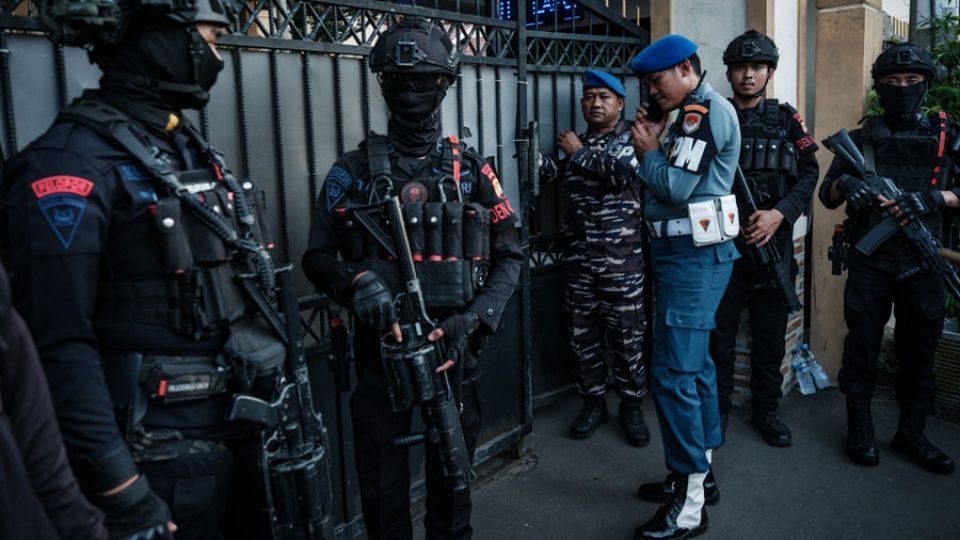
The response to the bomb threat demonstrated the coordinated security apparatus available to Indonesian law enforcement. Specialists from the Gegana bomb disposal unit, the police agency responsible for neutralizing explosive devices and managing hazardous materials, were deployed to conduct a systematic search of the entire school complex. Additionally, personnel from Densus 88, Indonesia's elite counterterrorism task force, were mobilized to assist with the operation, underscoring the elevated concern that accompanies bomb threats in the nation's capital.
Despite the comprehensive and thorough sweep of the campus conducted by trained specialists, no explosives or suspicious devices were discovered at any of the eleven locations mentioned in the threat. This finding is consistent with many bomb threat incidents, which frequently prove to be false alarms rather than genuine security risks. Nevertheless, the precautionary measures undertaken were deemed necessary given that authorities cannot immediately verify the validity of such claims and must treat each threat as potentially credible until proven otherwise.
Jagakarsa Police chief Comr. Nurma Dewi provided additional details about how the threat was communicated, explaining that the WhatsApp message had been sent directly to multiple members of the teaching and administrative staff. The timing of the message, arriving during the flag ceremony when the school community was gathered, may have been deliberately chosen to maximize disruption and concern. The staff members who received the messages acted responsibly by immediately reporting them to school leadership rather than dismissing them as hoaxes.
The incident highlights ongoing vulnerabilities within Indonesia's educational infrastructure regarding security protocols and communication threats. Schools across the country have become occasional targets of bomb threats, whether as pranks, expressions of grievance, or genuine security concerns. The disruption caused by such threats extends far beyond the immediate campus, affecting the academic schedules of hundreds of students and placing significant stress on families in an era where news of such incidents spreads rapidly through social media.
The case also raises questions about the motivations behind false bomb threats more broadly. Individuals who submit such reports face serious criminal charges, including provisions under Indonesia's antiterrorism legislation that can result in substantial prison sentences. The fact that authorities continue to apprehend people willing to make these threats suggests either a lack of awareness about potential legal consequences, a desire to gain attention, or legitimate underlying grievances that individuals are expressing through dangerous and destabilizing means.
For schools in Jakarta and throughout Indonesia, the incident serves as a reminder of the importance of having well-rehearsed emergency evacuation procedures and maintaining close communication with local police and security agencies. The quick response by staff at SD Srengseng Sawah 15 Pagi, combined with the rapid deployment of specialized police units, ensured that no one was harmed and that the situation was brought under control efficiently. As investigators continue their questioning of the suspect, authorities hope to gain clarity on whether this was an isolated incident or indicative of broader security concerns requiring additional attention.

