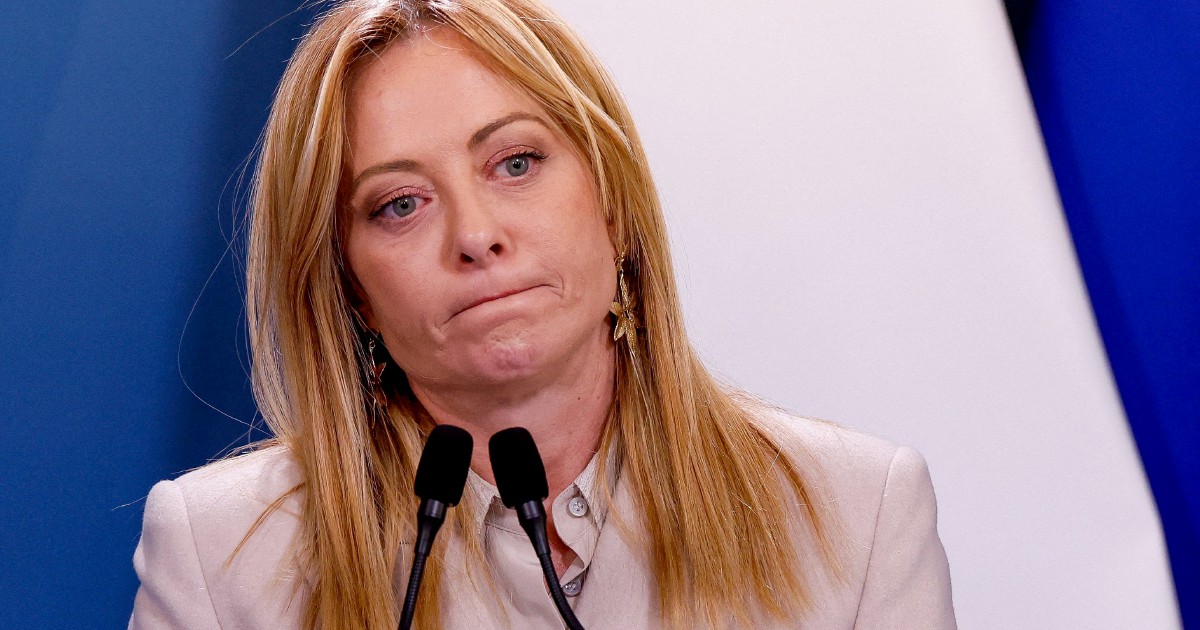
Italian Prime Minister Giorgia Meloni faces a mounting political challenge as her administration's standing among younger voters deteriorates markedly, according to recent survey data. The trend poses a serious vulnerability heading into national elections scheduled for 2025, when generational divides could determine the outcome of crucial parliamentary contests across the country.
The disconnect between Meloni's right-leaning government and Italy's youth reflects broader tensions emerging within European centre-right politics. Younger Italians, who overwhelmingly prioritise climate action, employment opportunities, and progressive social policies, increasingly view the administration's priorities as misaligned with their own concerns. This generational split mirrors patterns seen across other European nations, where conservative parties struggle to resonate with voters under 35 who have grown up in an era of economic precarity and environmental awareness.
Meloni's coalition government, which took office in 2022, has pursued policies emphasizing fiscal responsibility, immigration restrictions, and traditional family values. These measures have resonated with older voters and rural constituencies that form the backbone of her Brothers of Italy party's support base. However, urban centres and university towns reveal a starkly different sentiment, where young Italians express frustration with limited job prospects, housing affordability crises, and what many perceive as inadequate climate commitments from the current administration.
Polling organisations tracking Italian public opinion have documented a consistent erosion of support among voters aged 18 to 34 across successive monthly surveys. The magnitude of this slippage exceeds the typical margin of error, suggesting a structural problem rather than temporary fluctuation. In some demographic breakdowns, Meloni's approval rating among youth falls more than 20 percentage points below her average national support, creating a significant vulnerability that opposition parties are beginning to exploit.
The economic dimension underlying this youth alienation cannot be overlooked. Italy's youth unemployment remains stubbornly high by European standards, and many graduates accept positions far below their qualifications or relocate to Northern Europe seeking better opportunities. Meloni's government has struggled to articulate compelling solutions to youth underemployment, instead focusing on budgetary constraints that limit spending on education, training programmes, and job creation initiatives that younger voters regard as essential investments.
Social media dynamics have amplified generational messaging divides. Meloni's conservative messaging, traditionally effective through television and print media, reaches older demographic groups more readily. Young Italians, who consume political information through TikTok, Instagram, and other platforms emphasising rapid-fire critiques and viral content, encounter competing narratives from left-leaning creators who frame the Meloni government as out-of-touch with contemporary priorities. This media fragmentation means parties must now communicate through multiple channels simultaneously to reach different age cohorts effectively.
The gender dimension adds another complicating layer to Meloni's youth challenge. Despite being a female prime minister, Meloni's government has resisted progressive policies on reproductive rights and workplace equality that many younger women regard as fundamental. This apparent contradiction—a woman leading a government that opposes expanded women's rights—particularly alienates educated female voters under 35, a demographic crucial for electoral success in competitive constituencies.
Opposition parties, particularly the centre-left Democratic Party and the anti-establishment Five Star Movement, have mobilised messaging specifically targeting young voters. Their campaigns emphasise affordable housing initiatives, universal basic income concepts, and aggressive climate action programmes—all positions that poll strongly among younger demographics. As the 2025 election calendar accelerates, these parties will intensify efforts to convert Meloni's youth unpopularity into concrete electoral gains.
Regional factors complicate the national picture. Northern Italian cities, particularly Milan and Turin, demonstrate especially stark generational divides within their electorates. These commercial and technological hubs host larger concentrations of university-educated young adults with cosmopolitan outlooks, who tend to favour progressive policies on immigration, LGBTQ+ rights, and European integration—positions often at odds with Meloni's nationalist orientation.
The timing of this youth realignment matters strategically for Meloni's coalition partners, notably the League party and former prime minister Silvio Berlusconi's Forza Italia. These groups face their own internal pressures to appeal beyond their traditional voter bases. Should youth disaffection intensify, coalition dynamics could fracture as individual parties attempt to reposition themselves more favourably with younger audiences, potentially destabilising the current government.
Historically, Italian election outcomes have hinged on mobilisation patterns and generational turnout rates as much as absolute polling preferences. If youth voters demonstrate heightened engagement in 2025—driven by motivation to defeat Meloni—lower participation among older right-wing sympathisers could swing several marginal seats toward opposition candidates. Conversely, if young Italians remain disengaged and apathetic, Meloni's existing coalition could maintain parliamentary control despite unpopularity among this age group.
Meloni's capacity to address this challenge remains uncertain. Introducing major policy pivots toward youth priorities risks antagonising the older, more reliable voter base that sustains her coalition. Strategic communication improvements, including greater investment in digital platforms and youth-focused messaging, offer modest corrective measures but cannot overcome fundamental policy disagreements between her government's priorities and what younger Italians demand from their political leadership.

