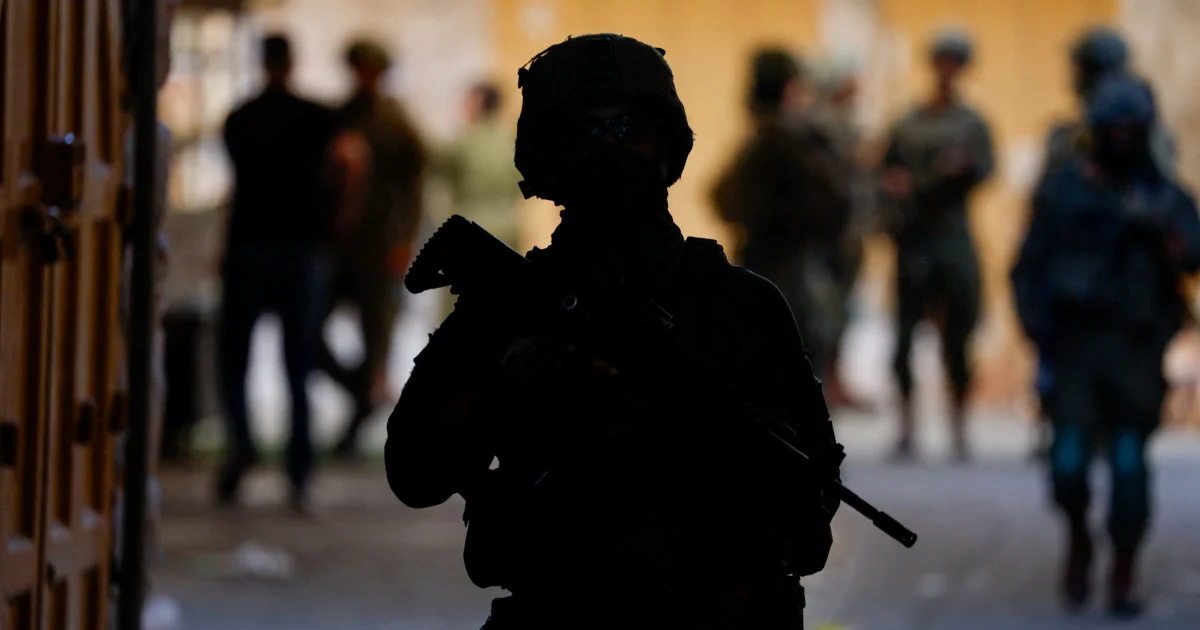
Israeli police announced the arrest of four suspects on Saturday in connection with what US news network CNN characterized as an attack on its journalists operating in the occupied West Bank. The incident, involving damage to a vehicle transporting the foreign news crew, has drawn attention to the ongoing tensions surrounding media operations in the contested territory and the security challenges faced by international reporters covering the region.
The detentions represent an official law enforcement response to an altercation that underscores the volatile environment in which journalists work while documenting events across Palestinian territories and Israeli settlements. CNN's description of the incident as an attack reflects the network's assessment that its crew faced deliberate hostile action rather than a chance encounter. The specific nature of the vehicle damage and the circumstances surrounding the confrontation remain central to understanding how the incident unfolded.
West Bank reporting has become increasingly complex for international media outlets, who navigate competing interests, security risks, and access challenges across a territory where Israeli settlers and Palestinian residents coexist in a relationship marked by frequent friction. News organizations operating in the region must balance their commitment to independent reporting with the practical realities of working in areas where tensions periodically erupt into violence. The targeting of foreign journalists, whether intentional or otherwise, raises broader questions about press freedom and safety in conflict-affected environments.
The involvement of police in investigating the allegation demonstrates an institutional acknowledgment that such incidents require formal scrutiny. Israeli law enforcement's intervention, through conducting arrests, indicates that authorities took the complaint seriously enough to pursue an investigation. However, the outcomes of such investigations and the charges ultimately filed against suspects often generate discussion about accountability and the consistency of law enforcement responses in sensitive political contexts.
For international news organizations, incidents involving attacks on or intimidation of their personnel represent serious professional concerns that affect editorial decisions about where and how to deploy journalists. CNN's classification of the event shapes how the incident enters the global news cycle and influences international perception of conditions for press operations. The broadcaster's response to such incidents carries weight beyond the immediate situation, contributing to broader narratives about journalist safety and press freedom in contested regions.
The West Bank has witnessed numerous confrontations between settlers and both Palestinian residents and international observers, creating an environment where incidents can quickly escalate. Israeli settlements in Palestinian territory remain controversial both domestically and internationally, with settler actions frequently drawing scrutiny from human rights organizations and media outlets. The incident involving CNN journalists illustrates how settlements and settlement-adjacent areas represent flashpoints where different groups' presence and interests collide.
Context matters considerably for understanding what occurred. Journalists documenting events in settlements or near settlement areas may encounter residents who view their presence as hostile or their reporting as biased. These perceptions, whether justified or not, can translate into confrontational situations. Conversely, journalists argue they require access to all areas to report comprehensively on events affecting communities across the territory. This fundamental tension between access and acceptance remains unresolved in many conflict zones.
The arrest of four individuals suggests either organized action by multiple people or a situation that police determined warranted multiple detentions to properly investigate. The specific charges against the suspects, the evidence gathered, and statements from those detained will ultimately shape legal proceedings. In the Israeli judicial system, cases involving alleged attacks on journalists or foreign nationals typically receive heightened attention given international dimensions.
For Malaysian and Southeast Asian readers, this incident resonates within broader discussions about press freedom and journalist safety in geopolitically sensitive regions. Southeast Asian nations have experienced their own challenges regarding media access and journalist security, making developments in other conflict zones relevant for understanding global patterns in this sphere. The safety of international journalists, including those from regional news organizations, depends partially on international norms and reciprocal respect for press freedom principles.
The incident also highlights the operational realities facing news organizations that maintain permanent or rotating presence in conflict-affected areas. Networks like CNN invest significant resources in Middle East coverage, reflecting the region's importance to global audiences. Ensuring crew safety while maintaining editorial independence remains an ongoing challenge that shapes news gathering operations globally.
Moving forward, this case will likely influence how international media outlets approach reporting from similar environments. Enhanced security protocols, coordination with local fixers and guides, and careful route planning become increasingly important when risk assessments suggest elevated danger. The arrests and subsequent legal process may provide some resolution regarding accountability, but broader questions about journalist safety in the West Bank will persist as long as tensions remain high across the territory.

