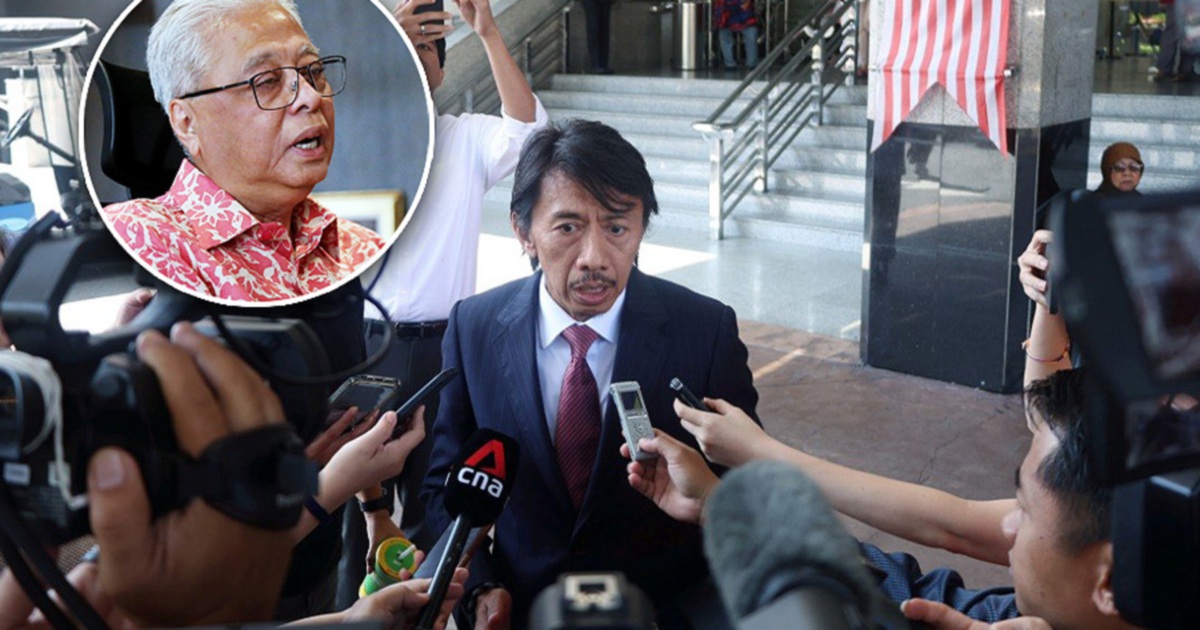
Former Prime Minister Datuk Seri Ismail Sabri Yaakob has signalled unwavering determination to vindicate himself in the face of legal proceedings, even as he contends with recent health complications. The former chief executive, who led the nation's government until late 2022, faces charges under the Malaysian Anti-Corruption Commission (MACC) Act and is bracing for hearings scheduled within the coming weeks.
Ismail Sabri's stance reflects the high-stakes nature of the allegations against him, which carry significant implications for his political legacy and personal reputation. The decision to pursue vigorous legal defence despite physical setbacks demonstrates the gravity with which he views the matter and his conviction regarding the merits of his case. His public commitment to contest the charges signals confidence in his legal team and their strategy going forward.
The charges represent a notable development in Malaysia's ongoing efforts to hold senior political figures accountable under anti-corruption frameworks. The MACC Act provides the primary mechanism through which the country investigates and prosecutes allegations of graft involving public officials and those in positions of influence. For a former prime minister to face such proceedings marks a significant moment in the nation's governance narrative, particularly given the elevated prominence of the accused.
Ismail Sabri's health challenges add a humanitarian dimension to what is fundamentally a legal battle. The physical demands of navigating complex court procedures and preparations, combined with his determination to maintain personal engagement with his defence, underscore the personal toll such proceedings exact on those involved. Nevertheless, his reported resolve to proceed suggests he views the legal process as essential to restoring his standing.
The timing of the court appearances this month will place considerable focus on the Malaysian judicial system's handling of high-profile cases. Courts across the region and internationally often face scrutiny when adjudicating matters involving prominent political figures, with observers examining whether proceedings are conducted with appropriate rigour and fairness. The transparency of these proceedings and the clarity of any eventual judgement will carry weight beyond the immediate parties involved.
Ismail Sabri's determination to clear his name also touches on broader questions about political accountability in Malaysia. The nation has undergone significant shifts in its approach to anti-corruption enforcement following the 1Malaysia Development Berhad (1MDB) scandal and subsequent international investigations. Whether the MACC possesses the independence and resources to pursue cases fairly, and whether the courts deliver justice without political interference, remain questions of enduring public concern.
For Malaysian observers and the regional business community, the outcome of these proceedings carries practical implications. Clarity regarding the legal exposure of senior political figures and the application of anti-corruption standards helps establish precedent and expectations for governance practices. The case may also influence how other nations in Southeast Asia approach similar matters, particularly where former heads of government face accountability mechanisms.
Ismail Sabri's legal team faces the substantial challenge of navigating complex MACC Act provisions while potentially contending with significant evidence presented by prosecutors. The specifics of the allegations—which the former premier has not publicly detailed at length—will largely determine the evidentiary burden and the nature of defences available. His lawyers must balance aggressive contestation of charges with strategic positioning for potential appeal scenarios should outcomes prove unfavourable.
The political dimension of these proceedings deserves consideration as well. As a prominent figure within Barisan Nasional, Ismail Sabri's legal status holds implications for the coalition's broader positioning and internal dynamics. His determination to fight the charges reflects not merely personal vindication but also concern for his party standing and potential influence on collective party narratives surrounding accountability and governance.
Looking ahead, the scheduled hearings will draw substantial public attention and media scrutiny. Each courtroom development will likely generate discussion across Malaysian political circles, civil society, and the business sector. The way proceedings unfold—whether smoothly or marked by procedural complexities—will contribute to broader public perceptions regarding the impartiality and competence of Malaysia's judicial institutions.
Ismail Sabri's public reaffirmation of resolve, despite the physical challenges he faces, suggests he intends to engage fully with the legal process rather than pursue negotiated settlements or abstentions. This stance indicates confidence in his position and possibly reflects legal advice that active contestation serves his interests better than passive acceptance. How this determination translates into courtroom success remains uncertain, but his commitment to defend himself vigorously through the coming proceedings appears unambiguous.

