Former prime minister Datuk Seri Ismail Sabri Yaakob faces mounting pressure to justify why the Royal Commission of Inquiry report into the governance and operations of Lembaga Tabung Haji remained unpublished for nearly four years, according to demands from prominent political figures. The disclosure has reignited debate over government transparency and accountability in handling sensitive institutional investigations affecting millions of Malaysian pilgrims who depend on the Islamic pilgrim fund.
The withholding of the RCI report represents a significant delay in public accountability for one of Malaysia's most important institutions. Tabung Haji serves as the primary financing mechanism for Malaysian citizens undertaking the Hajj pilgrimage, managing substantial assets and funds on behalf of approximately 700,000 registered members. Any institutional irregularities or governance concerns at the organisation carry profound implications not only for individual pilgrims but also for Malaysia's standing in managing Islamic financial institutions.
The decision to conduct an RCI into Tabung Haji emerged from a period of considerable institutional turbulence and public concern about the fund's financial health and operational transparency. The inquiry was initiated to examine specific issues within the organisation and provide independent assessment of its management practices. For such a major investigation to have remained out of public view for an extended period raises fundamental questions about whether the government prioritised institutional discretion over democratic accountability.
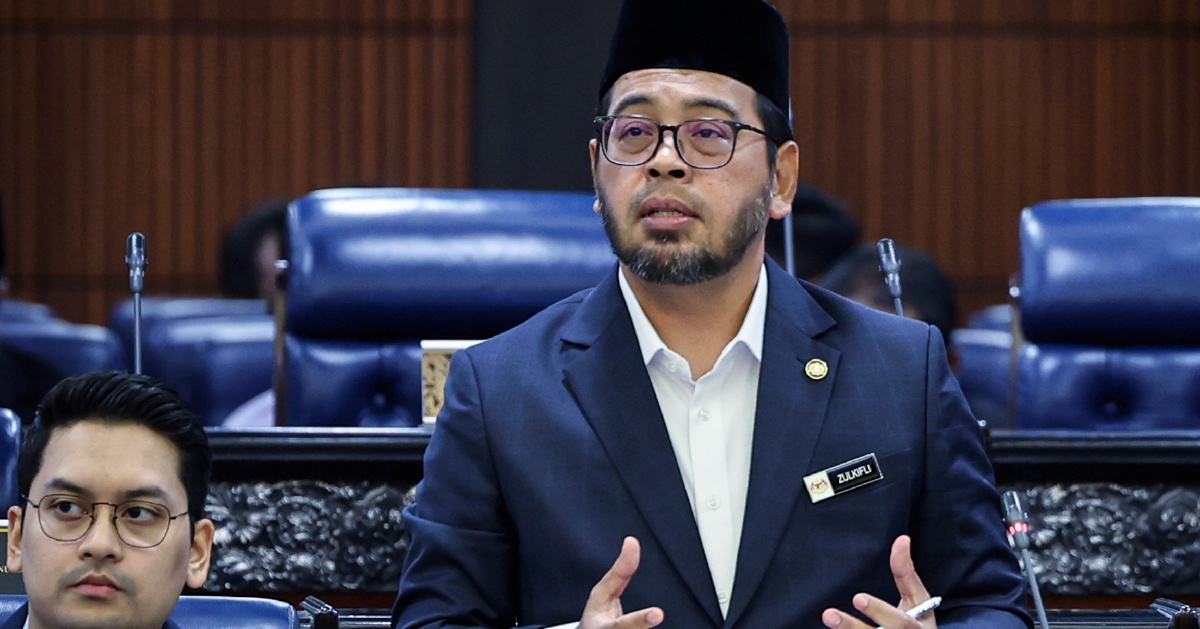
Zulkifli's intervention reflects broader political pressure mounting on the former administration to justify decisions made during Ismail Sabri's tenure as prime minister from August 2021 to August 2022. The timing of the report's eventual release, following changes in government administration, suggests that institutional and political considerations may have influenced the decision to keep the findings confidential. This pattern has become increasingly contentious in Malaysian politics, where citizens and stakeholders expect timely disclosure of RCI investigations into public institutions.
The four-year delay extends well beyond conventional timeframes for processing and publishing official inquiries. Standard practice in Westminster-derived systems typically sees RCI reports released to the public within months of completion, permitting informed democratic debate and enabling implementation of recommendations. The substantial delay in this instance deviates markedly from such norms, prompting legitimate inquiry into the rationale underlying the decision to withhold information from the legislature and the public.
For Malaysian pilgrims, the delayed transparency creates complications in understanding the institutional challenges that Tabung Haji has confronted and the remedial measures being contemplated. Pilgrims invested in the fund's fortunes deserve timely information about governance investigations that directly affect their religious obligations and financial planning. The extended secrecy arguably undermined their ability to engage meaningfully in discussions about institutional reform at a moment when such engagement would have been most valuable.
The controversy also illuminates broader patterns in how successive Malaysian administrations have managed institutional inquiries. The discretion afforded to sitting governments in deciding when and whether to release RCI reports creates potential for political calculation to override transparency principles. If reports detailing governance failures or institutional misconduct become tools for managing political narratives rather than vehicles for democratic accountability, the entire RCI mechanism risks diminished public confidence.
Ismail Sabri's explanation will require addressing not only the technical reasons for the delay but also the decision-making framework that permitted such extended withholding. Whether the delay resulted from institutional complexity, legal considerations, or deliberate institutional strategy will carry different implications for public trust in government processes. The former premier has opportunity to demonstrate that withholding reflected genuine practical necessity rather than political convenience.
The episode underscores persistent governance challenges within Malaysian public institutions and the mechanisms through which accountability is managed. For a nation aspiring to strengthen institutional integrity and combat corruption, transparent handling of official inquiries represents a fundamental test case. How government officials and former leaders respond to accountability questions about RCI processes signals to citizens, investors, and international observers the seriousness with which Malaysia approaches institutional governance.
Stakeholders including Tabung Haji members, fellow legislators, and civil society organisations will likely maintain pressure for comprehensive explanation. The renewed scrutiny comes as Malaysia navigates broader discussions about strengthening government transparency and rebuilding public trust following previous governance controversies. Resolution of this matter through candid explanation from Ismail Sabri could help establish clearer precedents for RCI report handling in future administrations.
The withholding of the RCI report ultimately reflects choices made by senior officials about how to balance institutional discretion with democratic transparency. As Malaysia continues evolving its governance standards, clarity about the reasoning behind such decisions becomes essential for maintaining public confidence in official institutions and the accountability mechanisms designed to oversee them. The public discourse now unfolding around this episode may contribute valuable lessons about improving transparency frameworks for future institutional investigations.

