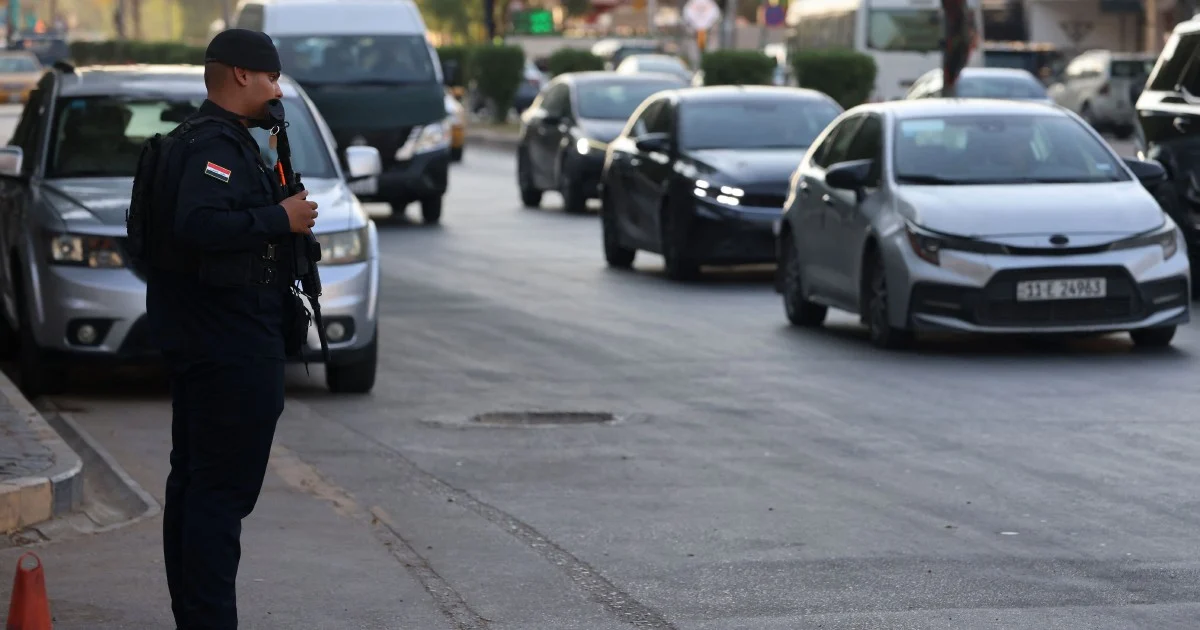
Iraq has arrested 47 officials in what authorities describe as a significant anti-corruption operation, with the detainees including sitting members of parliament, according to reports from the country's state media apparatus. The arrests were carried out on Sunday and represent one of the more visible enforcement actions targeting high-level graft in a country where corruption remains deeply embedded across governmental institutions.
The scale of the operation—encompassing not just bureaucratic functionaries but also parliamentary representatives—signals an attempt to demonstrate serious intent in combating the systemic malfeasance that has long plagued Iraq's state apparatus. Such high-profile arrests, when involving elected officials, typically generate significant domestic political reverberations and can reshape power dynamics within legislative bodies already fractured along sectarian and factional lines.
Corruption in Iraq has emerged as one of the most consequential obstacles to state consolidation and institutional legitimacy. The country consistently ranks poorly on international corruption indices, with funds intended for public services, infrastructure projects, and security operations routinely diverted through informal networks and patronage systems. This leakage of resources has compounded the challenges facing a nation still recovering from years of conflict and struggling to rebuild its security apparatus.
The roots of Iraq's corruption problem run deep into the post-2003 political structure, which was established on the basis of ethno-sectarian power-sharing arrangements rather than merit-based governance. These institutional foundations created multiple parallel systems of authority and resource allocation, each controlled by competing political blocs. Within such fragmented frameworks, oversight mechanisms have frequently proven ineffectual, and accountability remains selective and politically motivated.
For ordinary Iraqis, the consequences of endemic corruption extend far beyond abstract notions of good governance. Power outages persist despite substantial budgetary allocations to the electricity sector, hospitals lack basic medicines and equipment, and security forces remain inadequately equipped despite significant defence expenditures. The visible gap between governmental revenues and the quality of public services has eroded citizen confidence in state institutions and contributed to periodic social upheaval.
The timing and scope of Sunday's arrests may reflect pressure from multiple quarters. International observers, particularly the United States and neighbouring states, have repeatedly emphasized that corruption constitutes a grave threat to Iraq's stability and anti-terrorism efforts. Additionally, Iraqi civil society organisations and religious authorities have at various intervals demanded that political leaders demonstrate concrete commitment to fighting graft rather than merely issuing rhetorical condemnations.
However, sustained anti-corruption enforcement in Iraq faces formidable structural impediments. Investigations frequently stall when they approach politically powerful individuals or touch the interests of militia-affiliated politicians who wield extrastate coercive capabilities. The judiciary, while possessed of dedicated personnel, operates within a system where political pressure can be brought to bear through both formal and informal channels. Previous high-profile corruption cases have sometimes collapsed or resulted in sentences that appeared incongruously lenient relative to the magnitude of alleged misconduct.
The involvement of parliamentary figures in the latest arrests raises particular questions about investigative scope and political calculus. Members of parliament occupy privileged positions within Iraq's governance hierarchy and benefit from both formal immunities and informal protections derived from their factional alliances. Proceeding against them requires either exceptional political consensus or a willingness to challenge entrenched power structures—developments that remain rare in Iraq's fragmented political environment.
For regional and international observers monitoring Iraq's institutional development, such enforcement operations merit scrutiny regarding both their immediate outcomes and their longer-term implications. Should the detainees progress through the judicial system and receive sentences commensurate with their alleged misconduct, the operation could signal genuine institutional strengthening. Conversely, if investigations are suspended, trials are delayed indefinitely, or sentences prove nominal, the episode would reinforce perceptions that anti-corruption campaigns function primarily as instruments of factional rivalry rather than genuine governance reform.
The success of anti-corruption efforts ultimately depends on establishing independent institutions insulated from partisan manipulation, implementing transparent procurement procedures, and building sufficient political consensus around accountability standards that transcend factional boundaries. Iraq's security challenges and regional geopolitical complexities have historically diverted attention from institutional consolidation, permitting corruption to flourish within the margins of state capacity. Meaningful progress would require sustained commitment extending well beyond individual arrest operations.

