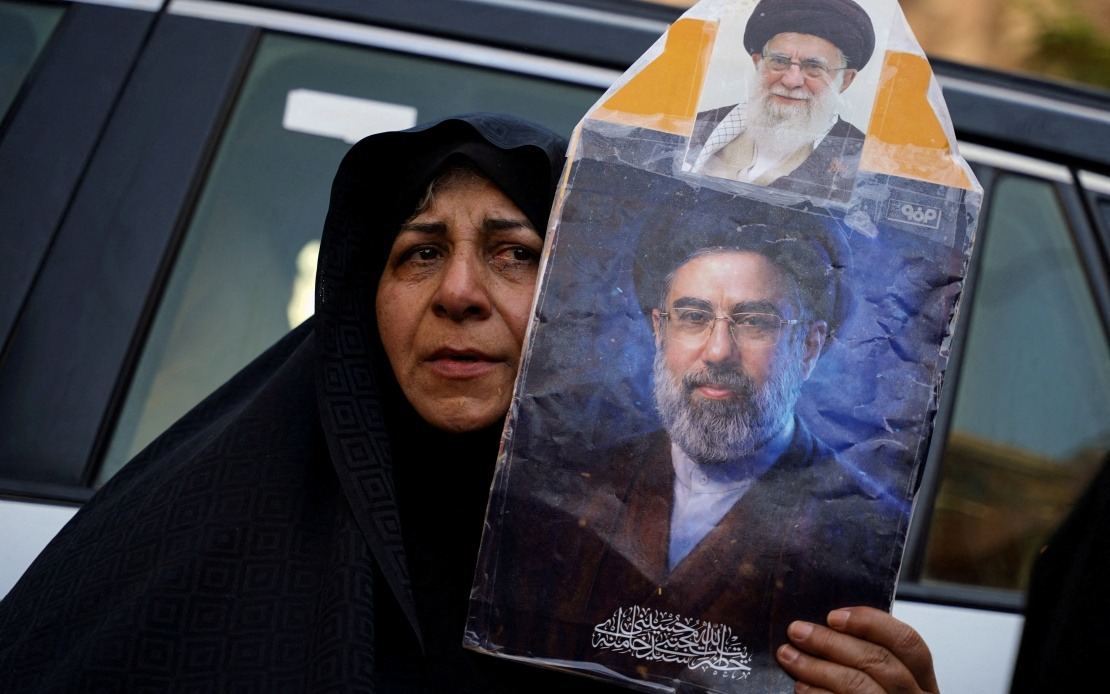
The diplomatic crisis between Iran and the United States has deepened significantly, with Tehran's highest authority questioning the fundamental trustworthiness of American leadership. Iranian Supreme Leader Mojtaba Khamenei issued a stark condemnation on Saturday, asserting that recurring US breaches of a peace memorandum of understanding underscore the hollowness of commitments made by President Donald Trump. The acrimonious exchange marks a dramatic deterioration from the June 18 agreement signed between Trump and Iranian President Masoud Pezeshkian, which initially raised hopes for de-escalation in one of the world's most volatile regions.
Khamenei's criticism strikes at the heart of international negotiations: the reliability of written commitments from major powers. In his address to the Iranian public, the Supreme Leader characterised American actions as exposing Washington's true nature as an unreliable negotiating partner. He pointed specifically to what Tehran views as systematic violations of the memorandum's terms, using language that reflects deep frustration with what Iranian officials perceive as bad faith engagement. This rhetorical escalation carries particular weight in the Islamic Republic, where the Supreme Leader's pronouncements carry constitutional authority and shape state policy direction.
The timing of Khamenei's remarks is significant. The original agreement had stipulated that Iran and the United States would undertake substantive negotiations within a 60-day window toward reaching a comprehensive final settlement. That negotiating window has apparently collapsed under the weight of mutual recriminations and military operations, leaving both sides retreating to adversarial positions that characterised their relationship for decades. For regional observers and international diplomats, the breakdown suggests that whatever momentum existed in June has dissipated entirely.
Escalating military operations have punctuated the deteriorating diplomatic environment. The US has conducted what Iranian sources describe as multiple strike operations against Iranian targets in recent days, triggering a cycle of retaliation. Iran has responded by launching what it characterises as defensive attacks against American military installations and assets stationed throughout the Middle East region. This tit-for-tat pattern raises the risk of miscalculation, particularly given the absence of functioning diplomatic channels that might otherwise allow for clarification and restraint.
Khamenei's warning of "unforgettable lessons" carries an implicit threat of further Iranian military action, though it remains ambiguous whether this refers to conventional strikes or other forms of retaliation. The Supreme Leader's invocation of the "resistance front"—a term encompassing Iran's network of allied militias, Hezbollah, and proxy forces throughout the Levant—suggests that Tehran views this conflict as part of a broader regional struggle rather than merely a bilateral dispute. This framing has implications extending well beyond Iran-US relations, affecting stability across Iraq, Syria, Lebanon, and Palestine.
Iranian Deputy Foreign Minister Kazem Gharibabadi added legal and diplomatic substance to Khamenei's broader condemnations. Gharibabadi announced that Iran has formally suspended its compliance with the memorandum's obligations, marking a significant escalation in rhetoric from earlier diplomatic correspondence. By declaring non-compliance, Tehran signals that it no longer considers itself bound by the agreement's restrictions, potentially enabling expanded military activities and nuclear programme advancement, depending on how Gharibabadi's statement is ultimately implemented by relevant Iranian agencies.
For Southeast Asian nations and Malaysia specifically, this regional crisis carries implications for energy security and trade disruption. The Persian Gulf remains critical to global energy supplies, and escalating US-Iran tensions historically correlate with petroleum price volatility. Malaysia's economy, while diversified, remains sensitive to oil price shocks that can cascade through energy costs, transportation expenses, and broader inflationary pressures. Additionally, regional instability can affect maritime security in the Strait of Hormuz and redirect shipping patterns that impact Asian trade flows.
The collapse of the June agreement also carries broader lessons for international diplomacy. It suggests that short-term memoranda of understanding without robust verification mechanisms and phased implementation structures may prove insufficient to bridge fundamental strategic divides between adversaries. The agreement's failure to prevent renewed hostilities raises questions about whether Trump administration negotiations can produce durable frameworks acceptable to Iran's security establishment, or whether underlying distrust proves too deep for expedited diplomatic solutions.
The regional context amplifies these tensions. Arab Gulf states, Israeli interests, and multiple powers with stakes in Middle Eastern stability are all monitoring this deterioration. Iran's defiant rhetoric and military responses could trigger wider conflagration if they provoke reactions from additional parties already aligned against Tehran. The absence of credible mediation mechanisms increases the risk that localised incidents could expand into broader conflict.
For Malaysian policymakers and businesses, vigilance regarding Middle Eastern developments is prudent. The diplomatic breakdown underscores that grand announced agreements can unravel rapidly when underlying power dynamics remain unresolved. Southeast Asia, while geographically removed, faces potential economic consequences from Middle Eastern instability that merits sustained attention to regional peace initiatives and energy diversification strategies.
The fundamental question now confronting the international community is whether the damaged US-Iran relationship can be reconstructed through renewed dialogue, or whether both parties have concluded that confrontation better serves their strategic interests. Khamenei's dismissal of Trump's credibility and Iran's formal suspension of compliance suggest that any path toward resolution will require significant political shifts on both sides, making near-term de-escalation unlikely despite the substantial risks that continued escalation entails.

