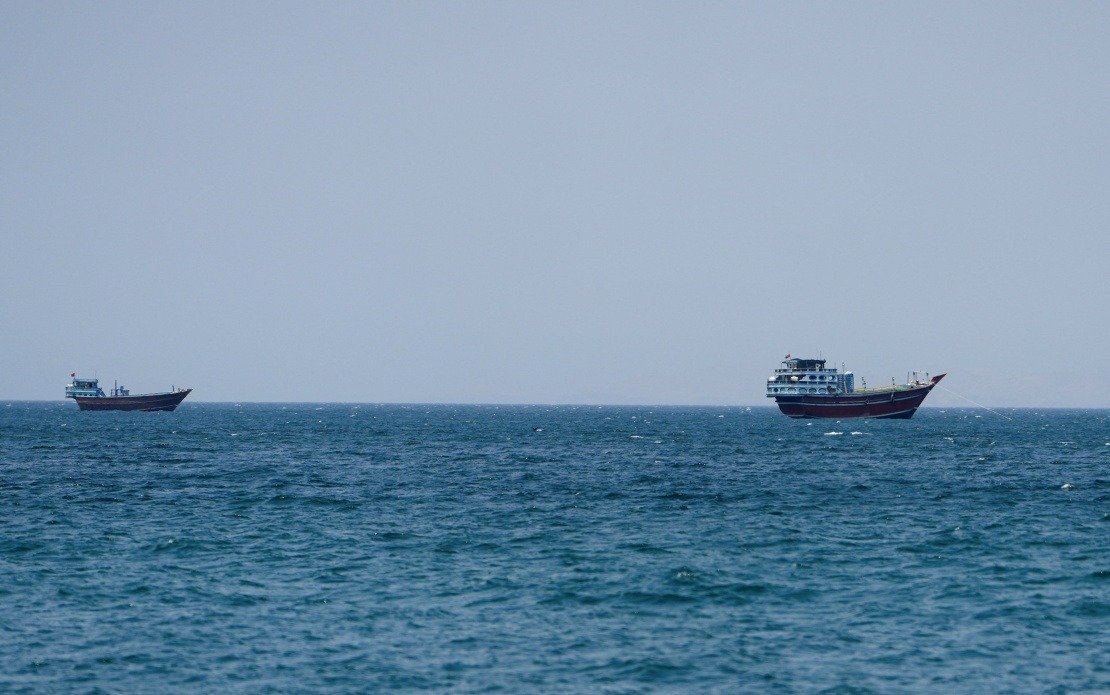
Iran's top security official has laid out a clear precondition for ending restrictions on one of the world's most critical shipping corridors: the United States must fundamentally alter its approach to Tehran. Mohsen Rezaei, who recently assumed leadership of Iran's Supreme National Security Council, told China's ambassador to Tehran that the Strait of Hormuz will remain partially closed until Washington accepts Iran's demands, marking an escalation in rhetoric around the vital waterway through which roughly one-fifth of global oil trade flows.
The Persian Gulf chokepoint has been at the centre of mounting geopolitical tension since Iran imposed transit restrictions in early March following what Tehran describes as US-Israeli aggression. Rezaei's comments, made during a bilateral meeting with Chinese Ambassador Zong Piyu, specify two non-negotiable requirements: the cessation of what Iran characterises as American military operations targeting Iranian interests and its regional partners, and the release of substantial Iranian funds that remain frozen under international sanctions. For Southeast Asian nations heavily dependent on stable energy supplies and maritime trade, any prolonged disruption carries significant economic consequences.
The newly appointed security chief emphasised that Iran has communicated additional conditions through intermediary channels engaged in previous indirect negotiations with American officials. Though these supplementary demands remain undisclosed, analysts suggest they likely encompass sanctions relief, recognition of Iran's regional influence, and guarantees against future military intervention. This multilayered approach reflects Iran's strategy of maintaining negotiating leverage while demonstrating resolve to domestic audiences concerned about national sovereignty.
Rezaei's insistence that Iran and Oman, the other nation sharing sovereignty over the Strait of Hormuz, cannot unilaterally determine the waterway's status appears designed to preempt potential diplomatic initiatives that might bypass Tehran's consent. Any bilateral agreement between Muscat and Tehran regarding maritime transit would not affect Iran's overarching decision to maintain current restrictions, he clarified. This statement underscores how thoroughly Iran has leveraged its geographic position, turning a physical feature into a political instrument in its confrontation with the West.
The security official also used the diplomatic meeting to strengthen ties with Beijing, commending China's opposition to what he termed an "anti-Iranian and illegal" UN Security Council resolution tabled during the March escalation. This alignment reflects Tehran's pivot towards Asian powers as Western relations remain frozen, a strategic realignment with implications for how regional disputes might be arbitrated in coming years. For Malaysian policymakers monitoring great power competition in Asian waters, Iran's deepening partnerships with China and other non-Western states represent a shifting geopolitical landscape.
Rezaei highlighted the strategic partnership between Iran and China as a cornerstone of future cooperation, specifically emphasising their shared membership in organisations including the Shanghai Cooperation Organisation and BRICS. These multilateral frameworks have become increasingly important to both nations as they navigate Western-led sanctions regimes and seek alternative pathways for economic and security cooperation. The invocation of these institutions suggests Iran views its relationship with China not merely as tactical necessity but as part of a broader realignment of international structures.
The implications for regional stability and global trade extend well beyond bilateral Iran-US relations. Southeast Asia, including Malaysia, relies heavily on unimpeded passage through the Strait of Hormuz for energy imports and transit commerce. Prolonged restrictions or sporadic Iranian actions targeting shipping could inflate oil prices, disrupt supply chains, and force regional economies to seek alternative energy sources or routing—all costly adjustments to established commercial patterns. The uncertainty generated by Rezaei's hardline stance adds another layer of risk to an already volatile region.
Diplomatically, Tehran's public articulation of conditions may represent either genuine opening position or tactical positioning ahead of potential negotiations. International observers remain divided on whether such pronouncements signal flexibility or entrenchment. The involvement of intermediary states in back-channel talks suggests some diplomatic movement persists, yet Rezaei's uncompromising language before the Chinese ambassador—a permanent Security Council member with leverage over sanctions—sends a message calibrated for multiple audiences: domestic hardliners, potential negotiating partners, and rival regional powers.
For Malaysia and other Southeast Asian nations invested in maritime stability, the Strait of Hormuz situation demands careful monitoring. Any escalation affecting traffic through this vital passage directly impacts fuel prices, shipping costs, and supply chain resilience across the region. Malaysia's own shipping interests and energy security make developments in the Persian Gulf relevant to national economic planning and foreign policy calculations regarding Middle Eastern alignments.

