Iranian Parliament Speaker Mohammad Bagher Qalibaf has issued a defiant warning that the strategically vital Strait of Hormuz will operate exclusively under Iranian control and arrangement, explicitly rejecting what he characterizes as bullying tactics by the United States. Speaking on Thursday through the social media platform X, Qalibaf responded to a fresh round of American military operations targeting Iranian territory, framing the dispute as one where coercion and broken pledges now carry tangible consequences for Washington.
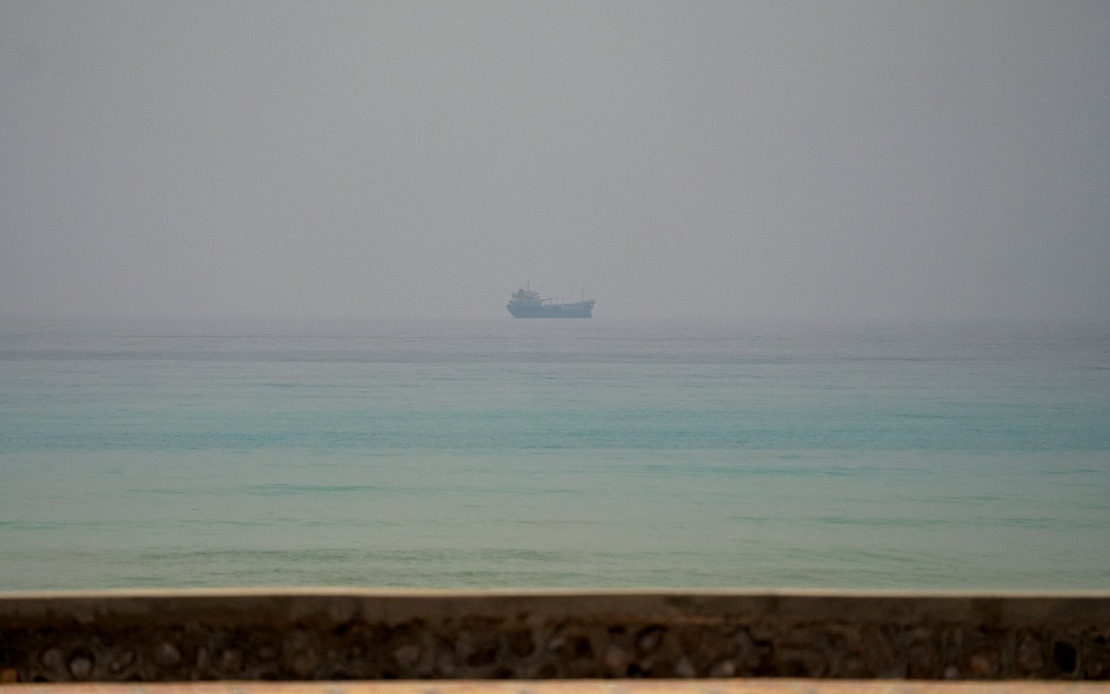
The escalation reflects deepening tensions in the Persian Gulf region, where the Strait of Hormuz serves as one of the world's most critical maritime chokepoints. Through this narrow waterway between Iran and Oman, approximately one-fifth of global oil trade flows annually, making its security a matter of paramount concern not only for Middle Eastern nations but for the broader international community, including Southeast Asian economies heavily dependent on Gulf energy supplies. Any disruption to traffic through the strait poses serious ramifications for global energy markets and regional stability.
Qalibaf's rhetoric was unambiguous in its warning. He stated plainly that "If you strike, you will be struck," signalling Iran's readiness for further military confrontation should American attacks continue. This language represents an escalation in official Iranian discourse, moving beyond diplomatic channels into direct deterrent messaging aimed at the US military establishment and political leadership. The statement underscores Tehran's determination to respond to what it views as unprovoked aggression with proportional counter-measures.
The backdrop to these inflammatory remarks is a reported new wave of American military strikes that unfolded late Wednesday evening, targeting multiple installations across Iran's southern and southeastern regions. Iranian state media initially reported these operations before the US Central Command officially acknowledged the action, framing the strikes as part of a broader campaign to degrade Iranian military capabilities specifically related to threats against maritime freedom of navigation. CENTCOM's characterization suggests Washington views the operation as defensive in nature, aimed at protecting international shipping lanes rather than initiating offensive action.
For Malaysian and Southeast Asian observers, the implications of this escalating rhetoric warrant careful attention. The region's economic wellbeing remains intimately tied to stability in the Persian Gulf, where the bulk of liquefied natural gas imports originate and where significant crude oil supplies are procured. Any prolonged military confrontation between Iran and the United States, or worse, an Iranian attempt to actually restrict traffic through the Strait of Hormuz in retaliation for military strikes, would immediately ripple through Asian energy markets and potentially trigger commodity price spikes affecting fuel costs and inflation across the region.
Qalibaf's assertion that the strait will operate "only under Iranian arrangements" appears designed as both a nationalist rallying cry for domestic consumption and a serious geopolitical assertion. By framing strait access as contingent upon Tehran's terms, he is essentially claiming leverage over one of the world's most important commercial arteries. Historically, Iran has threatened to close the strait during previous periods of acute US-Iran tension, though such actions have remained largely rhetorical rather than operationally implemented due to their economically destructive global consequences and the naval presence of international powers.
The timing of Qalibaf's statement and the underlying military operations occur against a broader backdrop of fractured diplomatic channels between Washington and Tehran. The Joint Comprehensive Plan of Action, the nuclear agreement negotiated in 2015, has been effectively abandoned since the United States withdrew in 2018. Without active diplomatic engagement or agreed frameworks for de-escalation, each military incident carries heightened risk of triggering disproportionate counter-responses and further degradation of the security environment.
The phrase about "bullying and breaking promises" clearly references the American withdrawal from the JCPOA, which Iran views as a betrayal of international commitments. From Tehran's perspective, the nuclear accord represented legitimate mutual accommodation, and its abandonment justified Iran's subsequent defensive measures and military posturing. This grievance remains central to Iranian official messaging and explains the emotional intensity underlying Qalibaf's public statements.
Central to understanding this crisis is recognizing that both Washington and Tehran are engaging in signalling behaviour designed primarily for domestic and allied audiences. Qalibaf's aggressive rhetoric reassures hardline constituencies within Iran that their leadership will not yield to external pressure, while American military operations signal resolve to deter Iranian actions against regional interests and coalition partners. However, the danger in such reciprocal displays lies in the possibility of miscalculation or escalatory spirals where rhetorical commitments become operationally binding.
For Southeast Asia, the international community's interest in maintaining Strait of Hormuz freedom of navigation remains paramount. The region cannot afford prolonged disruptions to energy supplies or substantial price volatility in global commodity markets. The need for responsible management of this crisis extends beyond immediate regional stakeholders to encompass all nations dependent on stable, predictable maritime commerce. Malaysia and its neighbours will monitor whether diplomatic channels can be restored or whether military posturing continues unchecked toward actual confrontation.
Looking forward, the trajectory of US-Iran tensions will depend significantly on whether either party finds sufficient incentive to resume negotiations or whether military escalation continues unabated. Qalibaf's ultimatum regarding the Strait of Hormuz, while potent as rhetoric, ultimately reflects the constraints both powers face in actually controlling this crucial waterway. The international community, including Southeast Asian stakeholders, has vested interest in ensuring that this high-stakes regional dispute does not impose externalized costs through disrupted energy supplies or heightened maritime risks.

