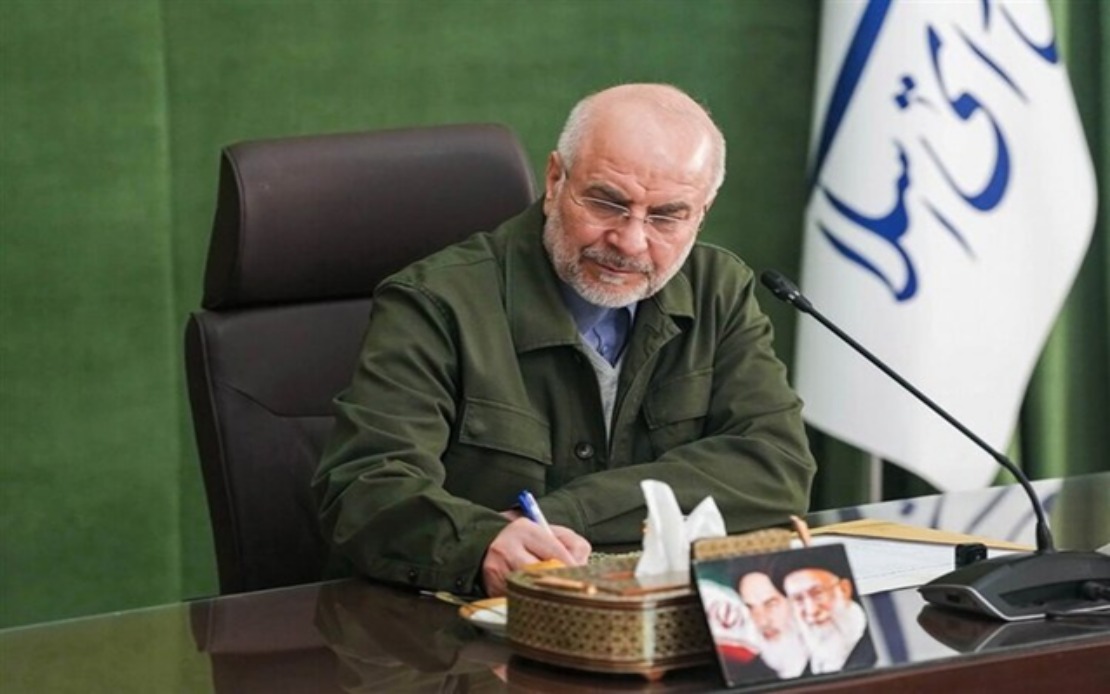
The dispute over Iran's recently unfrozen assets has exposed fundamental disagreements between Tehran and Washington regarding how the released funds will be utilised, even as both nations engage in intensive negotiations aimed at resolving their long-standing nuclear standoff. Iranian Parliament Speaker Mohammad Bagher Ghalibaf, who doubles as a principal Iranian negotiator, took to social media on Thursday to flatly reject American contentions that the unfrozen money would flow toward purchases of US agricultural commodities. His sharp rebuff underscores deepening frustration within the Iranian establishment over what officials view as presumptuous Western assumptions about Tehran's spending priorities.
In his statement via social media platform X, Ghalibaf employed pointed rhetoric to dismiss the American position, suggesting that the only harvest Iran would reap from its decades-long relationship with the United States was the accumulated suspicion and broken promises that had characterised bilateral relations. The formulation reflected a broader Iranian narrative that positions Washington as the source of historical grievance and bad faith, framing the current disagreement not merely as a technical matter about purchasing decisions but as emblematic of a deeper trust deficit between the two adversaries. This rhetorical approach signals that Iranian negotiators intend to resist what they perceive as external dictation regarding sovereign economic choices.
The Iranian pushback represents a coordinated response from multiple levels of Tehran's governmental apparatus. On Tuesday, the Foreign Ministry's spokesman Esmaeil Baghaei had already articulated Iran's position, asserting categorically that the unfrozen assets would be deployed entirely in accordance with national interests without any external constraints. Baghaei emphasised that procurement determinations would hinge exclusively on commercial considerations such as price competitiveness and product quality, implicitly signalling that Iran would not grant preferential treatment to American suppliers simply because political circumstances had changed. This statement formalised what amounts to an Iranian declaration of economic independence regarding the use of its own capital.
The Central Bank Governor Abdolnaser Hemmati provided additional clarification by stating that Iran harbours no legal or moral obligation to purchase American agricultural goods, though he stopped short of ruling out such transactions if market conditions made them attractive. This measured formulation suggests that while Iranian officials wish to preserve maximum flexibility, they are not entirely dismissing the possibility of US trade engagement. The distinction matters because it suggests room for pragmatic commercial dealings even amid political tension, provided such arrangements occur on equal footing rather than as a condition imposed by Washington.
The American position that prompted this Iranian rebuttal had been articulated at the highest levels of the Trump administration. US Vice President JD Vance asserted on Monday that Iranian officials could deploy the unfrozen assets to acquire soybeans, corn, and wheat from American producers. President Donald Trump escalated this framing two days later by proposing that the funds be held in a US-controlled escrow account from which only authorised purchases of American food and medical supplies could be made. Trump's proposal essentially envisioned a mechanism whereby the United States would retain operational control over how Iran spent its own money, contingent upon purchasing exclusively from American sources.
This fundamental divergence in approaches reflects contrasting assumptions about Iran's place in international commerce and sovereignty. The American proposal treats unfrozen assets as something to be managed through external guardrails and restricted to specific purchases, implying continued distrust of Iranian intentions and a desire to channel released capital toward US economic interests. The Iranian response, conversely, asserts that possession of its own assets comes with unrestricted authority to allocate capital according to self-determined priorities. The clash represents not merely a disagreement about agriculture but a struggle over the degree to which sanctions removal genuinely restores Iranian economic agency.
Context for this dispute comes from recent diplomatic developments between Tehran and Washington. On June 18, both parties signed a memorandum of understanding that established a sixty-day window for negotiations aimed at reaching a final accord regarding Iran's nuclear programme and the removal of international sanctions. This framework theoretically represents a significant thaw in relations, yet the rapid emergence of disagreements over asset deployment demonstrates the fragility of understanding between the two sides. Each dispute risks poisoning the negotiating atmosphere and providing justification for hardliners on both sides who remain sceptical of accommodation.
The most recent negotiating session occurred in Switzerland over the weekend and into Monday, suggesting that discussions continue even as public statements become increasingly acerbic. The Geneva venue carries symbolic significance given its history as a neutral ground for sensitive diplomatic engagement, though geographical proximity to neutral territory has proven insufficient to prevent escalating rhetorical clashes. Malaysian and Southeast Asian observers monitoring these developments should note that the stability of global energy markets and international trade patterns depends substantially on whether these negotiations ultimately succeed or collapse. Iran's energy exports and regional role carry implications for regional shipping lanes, economic relationships, and broader geopolitical alignment.
The disagreement also illuminates the challenge of moving from adversarial positions to normalised relations. Even technical questions about commercial transactions become laden with political meaning when they arise between parties with a history of mutual suspicion. Washington's insistence on controlling how Iran deploys its own capital suggests continued doubts about Iranian reliability, whilst Tehran's resistance reflects accumulated grievances about past Western interference and sanctions. Bridging this gap requires more than asset releases; it demands a fundamental recalibration of how each side perceives the other's intentions.
For Southeast Asian nations with commercial interests in both Iran and the United States, the outcome of these negotiations carries material consequences. A successful resolution could expand trade opportunities and regional economic participation, whilst breakdown could trigger renewed sanctions that would restrict commerce and complicate regional supply chains. The specific dispute over agricultural purchases also connects to broader questions about market access and whether normalised Iranian-American relations might redirect trade flows away from other suppliers, including those in the region. Close monitoring of these negotiations therefore serves the legitimate interests of Malaysia and neighbouring countries that maintain economic relationships with both parties.

