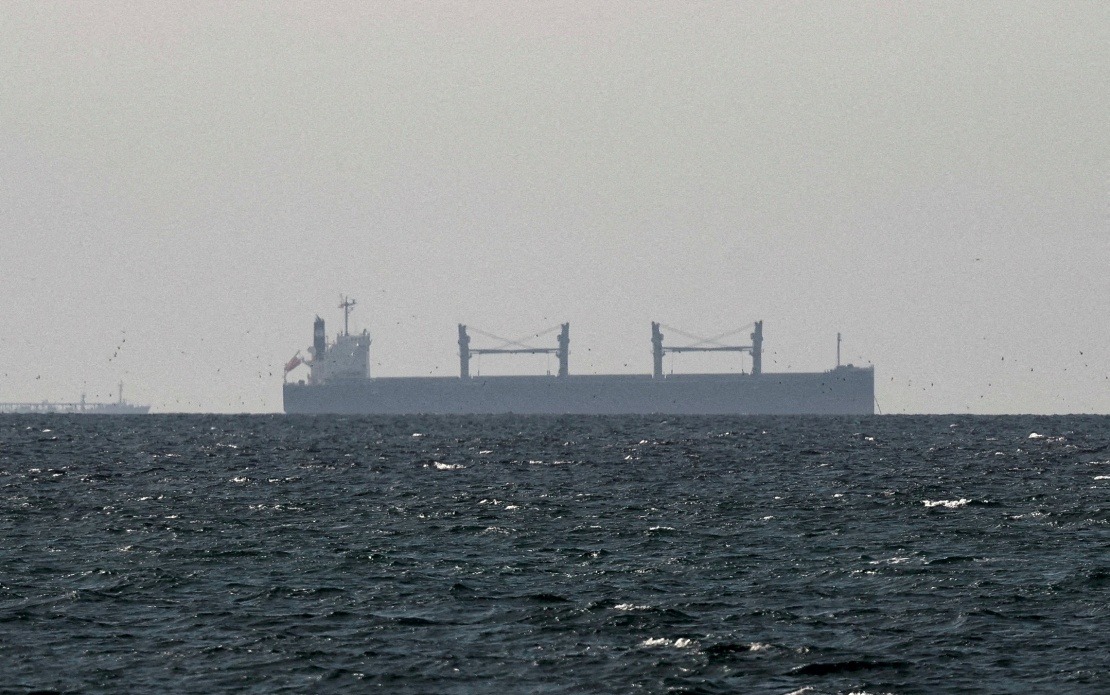
The Islamic Revolutionary Guard Corps of Iran alleged on Friday that two oil tankers operating in the Strait of Hormuz encountered an active minefield, resulting in explosions and fires aboard both vessels. The IRGC Navy made the accusation through a statement distributed by Iran's Fars News Agency, but stopped short of providing the identities of the affected tankers or details regarding potential casualties and vessel ownership.
According to the Iranian military's account, the incident unfolded after United States intelligence services reportedly directed the commercial vessels toward the dangerous area. The IRGC used the incident to reinforce its earlier warnings about maritime safety in the region, declaring the strategic waterway completely inaccessible to international shipping. No independent sources have yet corroborated the Iranian claims, and Western maritime authorities have not released statements confirming the reported mine strikes.
The Strait of Hormuz serves as one of the world's most critical energy chokepoints, connecting the Persian Gulf to the Gulf of Oman and onward to the Arabian Sea. Approximately one-third of globally traded seaborne oil passes through this narrow waterway daily, making it essential infrastructure for the international energy system. Beyond petroleum, significant volumes of liquefied natural gas and other commodities transit the passage, linking Middle Eastern producers with markets across Europe, Asia, and beyond.
Iran's assertion that the Strait remains "completely closed" carries profound implications for global energy markets. The closure warning threatens to disrupt crude oil shipments, natural gas exports, and chemical fertiliser deliveries that transit the passage regularly. Should the Iranian claims reflect an actual security situation, or should tensions escalate further, international oil prices would likely spike, affecting consumers and economies worldwide, including Southeast Asian nations that depend heavily on Persian Gulf energy supplies.
The allegations emerged amid deteriorating security conditions in the region. The United States and Iran have engaged in a series of military exchanges and confrontational actions despite a Pakistani-brokered memorandum of understanding signed in the previous month aimed at ceasing hostilities and establishing a durable peace framework. These competing narratives about responsibility and causation underscores the fragility of diplomatic efforts and the ease with which misunderstandings or deliberate provocations can reignite conflict.
The IRGC's warning carries particular significance for the shipping industry, which faces mounting operational risks in the region. The military branch urged international commercial operators to avoid entering Strait of Hormuz waters entirely, citing dangers of vessel damage and loss of life. This advisory, whether based on genuine security threats or strategic messaging, influences maritime insurance costs, shipping routes, and the commercial calculus of energy traders navigating geopolitical uncertainty.
For Malaysia and other Southeast Asian economies, instability in the Strait of Hormuz presents direct economic consequences. The region imports substantial quantities of crude oil and natural gas, with a considerable share sourced from the Persian Gulf. Supply disruptions elevate energy costs for manufacturers, power plants, and consumers across the region. Additionally, rising tensions between the US and Iran complicate maritime security operations throughout Asia, as naval forces become stretched thin managing multiple crisis points simultaneously.
The pattern of accusations and counter-accusations reflects deeper strategic competition in the region. Iran has consistently blamed Western actions for regional instability, while the US and its regional allies characterise Iranian military activities as destabilising. Without independent verification of the mine incident claims, the international community faces difficulty assessing the actual security situation and responding proportionately. This information vacuum creates opportunities for miscalculation and accidental escalation.
The implications extend beyond immediate energy markets. Prolonged uncertainty regarding shipping safety through the Strait creates incentives for alternative energy sourcing, infrastructure investment in different supply routes, and long-term portfolio reallocation away from Middle Eastern petroleum dependence. However, given current global energy economics and regional production capacity, alternative sources cannot immediately replace Persian Gulf supplies, leaving consumers and economies vulnerable to disruption for the foreseeable future.
Marketplace responses will likely intensify pressure on diplomatic channels to resolve underlying US-Iran tensions. International shipping associations, energy companies, and insurance organisations have strong financial interests in stabilising the Strait, potentially creating additional pressure for conflict resolution. The incident also underscores the necessity for enhanced maritime security cooperation among regional and international stakeholders, including coordination mechanisms to prevent accidental escalation and establish rapid communication during crises.
The unresolved status of the tanker incident, combined with Iran's sweeping closure declaration, suggests that regional tensions remain at elevated levels despite official diplomatic efforts. Policymakers across Southeast Asia and the broader international community are likely to reassess their contingency planning for extended supply disruptions and may accelerate diversification strategies to reduce dependence on this single critical maritime chokepoint.

