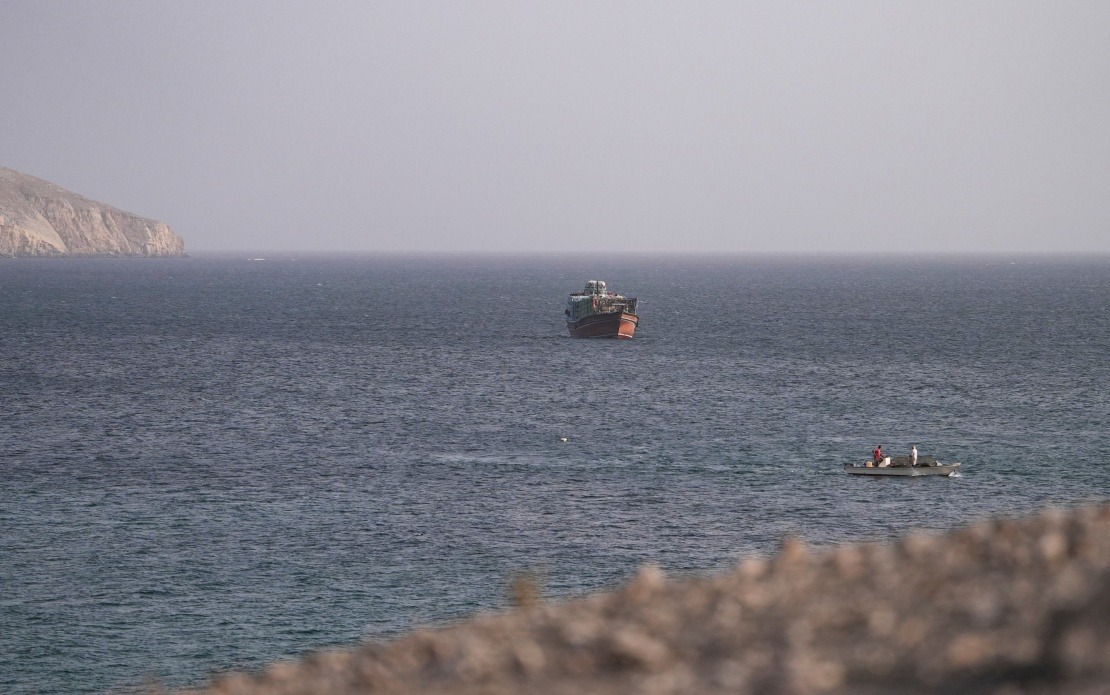
Iran's Foreign Ministry Spokesperson Esmaeil Baqaei has made clear that the Strait of Hormuz, one of the world's most strategically vital maritime passages, will not revert to the conditions that existed before the recent conflict. Speaking on state television on Sunday night, Baqaei stressed that while Tehran and Muscat are engaged in substantive talks, these discussions do not constitute a reopening of the strait in its traditional sense. Instead, the two coastal nations are working toward establishing an entirely new framework for managing maritime operations through the waterway.
The remarks come as Iran and Oman, which together control the Hormuz Strait connecting the Persian Gulf to the Gulf of Oman, seek to rebuild consensus on how the critical channel should function going forward. Baqaei indicated that formal discussions between the two countries commenced immediately after the ceasefire agreement took effect on April 8, with multiple rounds of negotiations already concluded. The emphasis on establishing a "specific framework" suggests the two nations are moving beyond simply restoring previous arrangements, signalling instead a more structured and potentially restricted approach to passage through the strait.
For Malaysia and other Southeast Asian trading nations, the implications are significant. The Strait of Hormuz remains a chokepoint through which roughly 20 percent of global maritime trade flows, including substantial volumes of oil and liquefied natural gas bound for Asian markets. Any permanent alteration to how the waterway operates could affect shipping routes, insurance costs, and energy prices across the region. Malaysian policymakers and industry leaders have traditionally monitored Hormuz developments closely, given the nation's dependence on reliable seaborne trade routes and energy imports.
Baqaei's insistence that "under no circumstances will the Strait of Hormuz return to the situation before the war" appears designed to signal Iran's determination to reshape the geopolitical dynamics surrounding the waterway. He referenced the fifth clause of the memorandum of understanding that concluded the conflict, which stipulates that future management of the strait should be conducted by Iran in consultation with Oman and through dialogue with other regional actors. This framing suggests that Iran views the post-conflict period as an opportunity to consolidate greater control over the strait's operations rather than simply restoring the status quo ante.
The pathway forward remains undefined in crucial respects. Baqaei stated that the new maritime route to be established will differ from both the current northern and southern passages through the strait, implying that Iran and Oman intend to chart an entirely novel course. This could mean new coordination mechanisms, revised security protocols, or modified transit procedures that would represent a significant departure from longstanding practice. The fact that such details remain under negotiation underscores the complexity of the undertaking and the challenge of balancing the security concerns of both Iran and Oman with the legitimate interests of international shipping.
During the initial implementation phase following the ceasefire, the northern route operated without incident for approximately three weeks, with vessels transiting safely. However, Baqaei indicated that this provisional arrangement fell apart before the full 30-day transition period envisioned by the ceasefire agreement could expire. He attributed this breakdown to what he characterized as an act of aggression against Iran, though he did not elaborate on specifics. This reference to a resumption of hostilities or a triggering incident helps explain why a more durable and formalized agreement between Tehran and Muscat has become necessary.
The Iranian Foreign Ministry has taken pains to emphasize that all discussions with Oman are bilateral in nature and do not involve external parties. Baqaei stressed repeatedly that Tehran's decisions regarding the strait reflect Iran's sovereign prerogatives and are calibrated to prevent the waterway from being exploited by nations that have conducted military operations against Iran. This language carries implicit warnings toward the United States and potentially other Western powers, suggesting that future management of the strait will prioritize blocking potential hostile use of the passage. For regional countries like Malaysia that rely on open maritime access, such rhetoric raises questions about whether the new framework could impose restrictions on certain vessels or trading partners.
Baqaei used the opportunity to address international criticism and pressure, dismissing American warnings as psychological warfare and rejecting threats as ineffective in altering Iran's calculations. He cited past American military interventions against Iran, characterizing them as establishing a pattern of aggression that would not be forgotten in future policy decisions. This positioning suggests that Iran views the renegotiation of Hormuz arrangements as a chance to assert long-standing grievances and demonstrate resolve in the face of external pressure. The spokesperson indicated that Iran had also received recent diplomatic contacts from Bulgaria, the United Kingdom, and Ukraine, suggesting that multiple international actors remain engaged with Tehran over ongoing security concerns.
For Southeast Asian observers, Baqaei's remarks underscore the enduring tension between Iran's desire to exercise greater control over the Hormuz Strait and the international community's need for predictable, unrestricted maritime commerce. The new arrangement being negotiated between Tehran and Muscat will ultimately determine whether global shipping continues to flow smoothly through the passage or faces new obstacles. Malaysia and fellow ASEAN nations have historically advocated for the freedom of navigation principles enshrined in international law, making them natural constituencies for ensuring that any new Hormuz framework does not impede legitimate commercial activity or place excessive burdens on trading states.
The stated position that the future status of the strait remains contingent on regional security developments and American actions introduces further uncertainty into calculations about how the passage will function. This conditional framing implies that Iran retains flexibility to adjust its approach based on how events unfold, whether through additional military escalations or diplomatic developments. For Malaysian businesses and policymakers, this unpredictability reinforces the importance of maintaining diverse shipping routes, developing relationships with both Iran and Gulf Cooperation Council states, and closely monitoring negotiations as they progress. The coming weeks and months will likely prove decisive in determining whether Iran and Oman can reach a durable accord that balances security concerns with the legitimate interests of international commerce.

