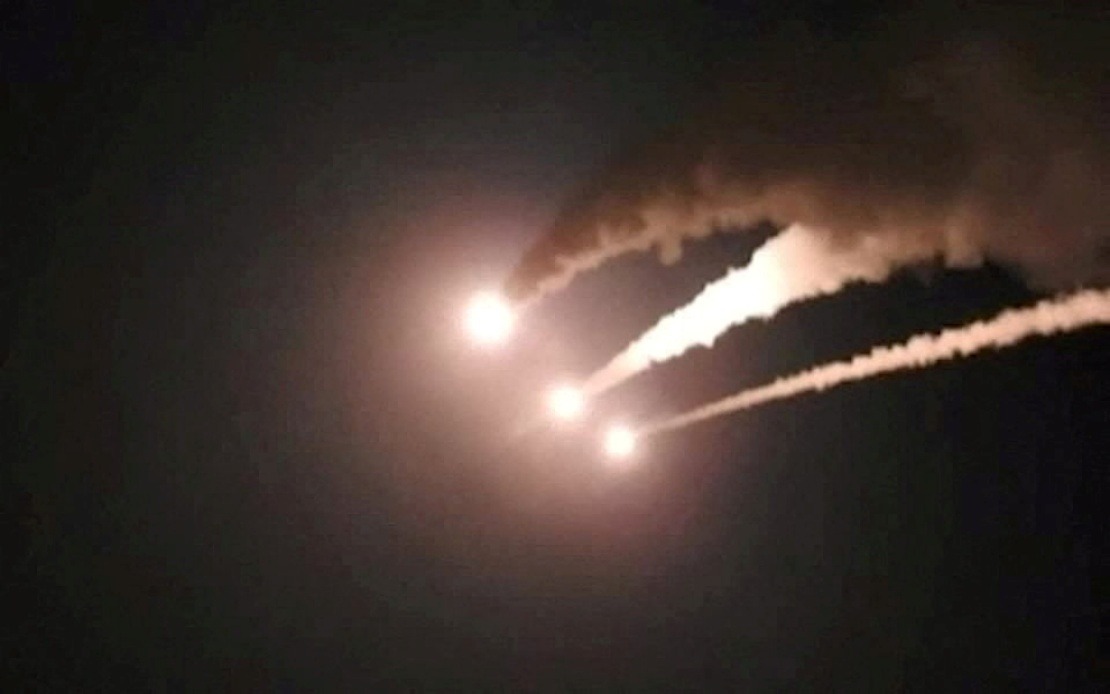
Tensions between Iran and the United States have reached a critical juncture, with Tehran's military establishment issuing a stark warning that American installations across the Middle East face potential drone strikes if Washington continues what Iranian officials characterise as systematic breaches of a ceasefire accord. The threat, articulated through Iran's state broadcaster IRIB, represents an unusually direct escalation in rhetoric and signals Tehran's willingness to expand military operations beyond the current scope of conflict.
The catalyst for Iran's ultimatum centres on alleged American violations of a 14-article ceasefire agreement. Iranian military leadership contends that the United States has engaged in what they describe as hostile operations targeting both military and civilian infrastructure in Iran's southern regions. This framing suggests a fundamentally different interpretation of ceasefire compliance between the two adversaries, with each side accusing the other of systematic treaty violations. For Southeast Asian observers, particularly Malaysia with its significant maritime interests in the region, such disputes over ceasefire terms carry implications for regional stability and shipping security.
On Wednesday, Iran's military claimed responsibility for striking what it identified as concentration points of American personnel at Sheikh Isa Air Base in Bahrain. The operation was presented as a retaliatory measure against perceived American aggression, establishing a pattern of tit-for-tat escalation that threatens to spiral beyond diplomatic resolution. The targeting of specific facilities rather than general threats suggests Iranian military planners are willing to execute advanced strikes against hardened American positions.
The broader scope of Iranian military capabilities became apparent through separate operations claimed by the Islamic Revolutionary Guard Corps. According to the Tasnim news agency, which maintains close ties to Iranian military circles, the IRGC simultaneously launched missiles and drones against 85 distinct American military positions across the region. The list of purported targets included Salman Port and the Fifth Fleet headquarters in Bahrain, as well as Ali Al-Salem Air Base in Kuwait. Such coordinated multi-target operations, if accurately reported, demonstrate sophisticated Iranian strike planning and challenge assumptions about American air defence effectiveness throughout the Arabian Peninsula.
Regional response to these Iranian operations was immediate. Kuwait's Ministry of Defence confirmed that its air defence systems successfully intercepted incoming missiles and drones over its territory, while Bahrain experienced activated air raid alert systems. These defensive measures confirm that Iran's declared threats are being operationalised through actual military action, transforming diplomatic warnings into tangible security incidents affecting multiple Gulf states. The successful interception of some incoming munitions also indicates that American and allied air defence systems retain operational capability despite Iranian claims of widespread damage.
The United States military characterised its response as a measured counter to Iranian aggression directed at commercial shipping. CENTCOM officials stated that American strikes targeted more than 80 Iranian military positions in an immediate response to what the Pentagon characterised as Iranian attacks on merchant vessels transiting the Strait of Hormuz. This framing emphasises American commitment to protecting international commerce and freedom of navigation through strategically vital waterways. For Malaysia and other maritime-dependent economies, the security of Strait of Hormuz passage remains paramount to regional prosperity.
The escalation cycle reveals a fundamental breakdown in confidence-building measures between Washington and Tehran. When ceasefire agreements themselves become contested, with each party claiming the other bears primary responsibility for violations, the mechanisms for de-escalation become severely compromised. The 14-article accord that supposedly governs current hostilities appears insufficient to establish shared understanding of compliance requirements or acceptable military operations.
This cycle of mutual accusations and proportional responses carries significant implications for Middle Eastern security architecture. The involvement of third parties such as Bahrain and Kuwait transforms bilateral Iranian-American tensions into regional conflicts affecting multiple nations. For Southeast Asia, the precedent is troubling: escalating rhetoric from military establishments, accompanied by actual strikes and defensive operations, demonstrates how quickly tensions can move from diplomatic to kinetic phases.
The commercial dimensions of these confrontations deserve particular attention for Malaysian stakeholders. The specific mention of attacks on vessels in the Strait of Hormuz indicates deliberate Iranian targeting of merchant shipping. Approximately one-third of global seaborne trade passes through this chokepoint, making any disruption a matter of significant concern for trading nations worldwide. Malaysia's dependence on stable regional shipping corridors means that escalating Iranian-American tensions directly impact domestic economic security and maritime commerce.
Iran's explicit warning that American bases will become "legitimate targets" for drone operations represents a significant rhetorical shift toward unambiguous threat-making. Rather than maintaining strategic ambiguity, Tehran is now spelling out precise consequences for continued American actions. This transparency, while potentially reducing miscalculation risks, simultaneously raises the stakes by establishing clear redlines that both parties must now navigate carefully.
The international community faces limited options for intervention. The fragmented nature of Middle Eastern diplomacy, combined with the absence of universally accepted mediation frameworks, constrains external actors seeking to broker renewed dialogue. Southeast Asian nations, while maintaining formal neutrality, have genuine interests in witnessing de-escalation and restoration of normal shipping security throughout the region. Any broader conflict involving American and Iranian forces would fundamentally reshape regional geopolitics and potentially disrupt the stable operating environment upon which Southeast Asian economies depend.
Moving forward, the sustainability of ceasefire frameworks depends entirely on establishing mutual agreement regarding what constitutes compliance. As matters stand, Iran and the United States operate under incompatible interpretations of their obligations. Without either side demonstrating willingness to compromise on fundamental security concerns or accepting the other's framing of violations, the trajectory points toward continued escalation. The threat to American installations represents both an expression of Iranian frustration and a calculated attempt to establish deterrence through explicit threat-making.

